
Quick Fit
Who this list is for
Warm-climate demand, outdoor lifestyles, and long operating seasons
Year-round routes in warm regions or seasonal outdoor peaks
Founders near pools, beaches, lakes, tourism, and outdoor venues
Curation Notes
Why these ideas
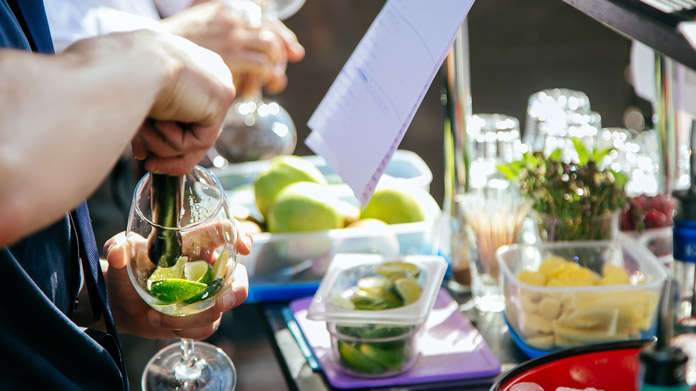
This warm-weather list is distinct from the summer page: it leans into year-round warm climates and outdoor lifestyle demand in places like Florida, Arizona, Texas, and coastal markets. Pool routes, surf instruction, boat cleaning, bike rentals, glamping, mobile bartending, fishing charters, and water tours can run longer where weather stays favorable.
Curated List
Browse the curated ideas
Compare each option by startup cost, margin, launch timeline, operating model, and fit for this category.
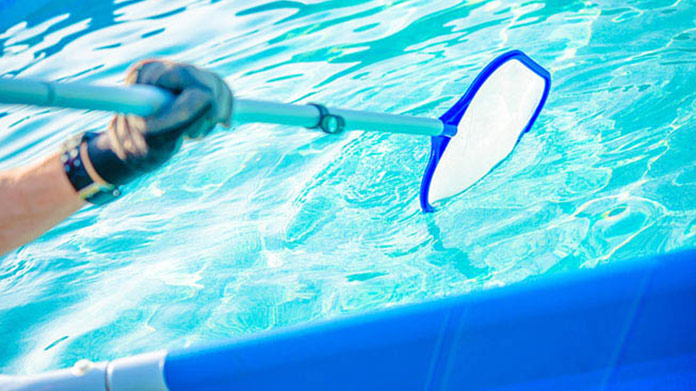
Pool Service
Pool service is one of the clearest warm-weather route businesses because pools need recurring cleaning and maintenance.
Benchmarks under editorial review.
Start guide ->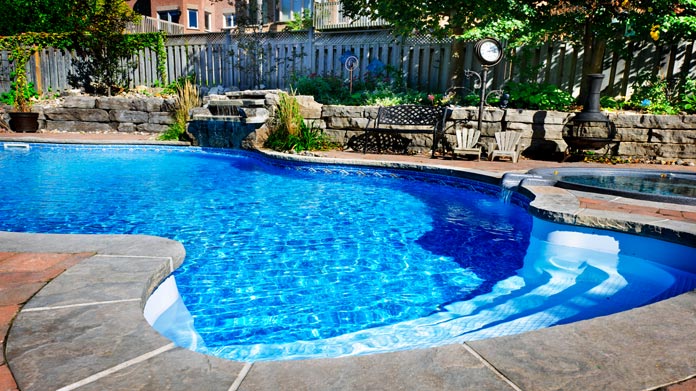
Pool Installation
Pool installation serves homeowners investing in permanent outdoor living in hot or sunny markets.
Benchmarks under editorial review.
Start guide ->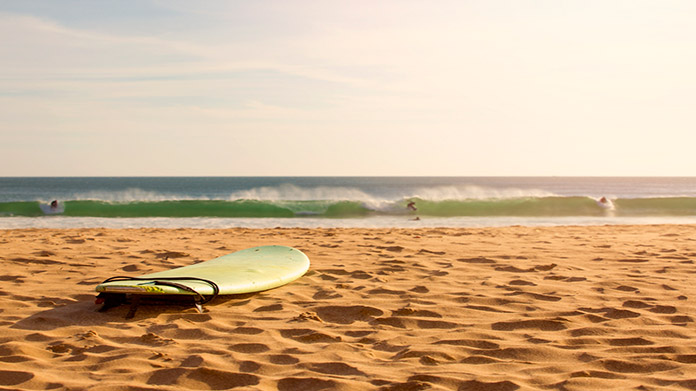
Surfing School
Surfing schools fit coastal warm-weather markets where lessons, rentals, and repeat tourist demand can support instruction.
Benchmarks under editorial review.
Start guide ->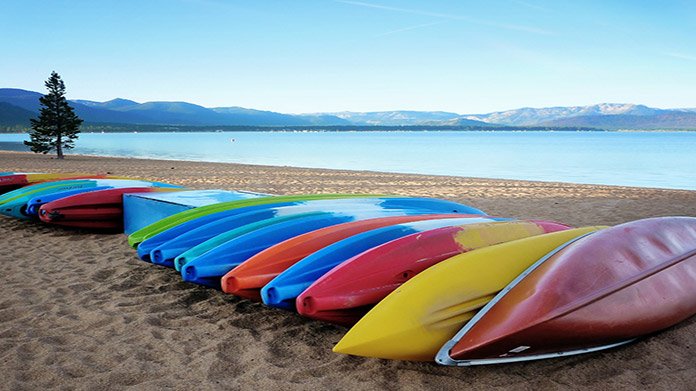
Canoe Rental
Canoe rentals work near lakes and rivers where warm weather keeps visitors on the water for more months.
Benchmarks under editorial review.
Start guide ->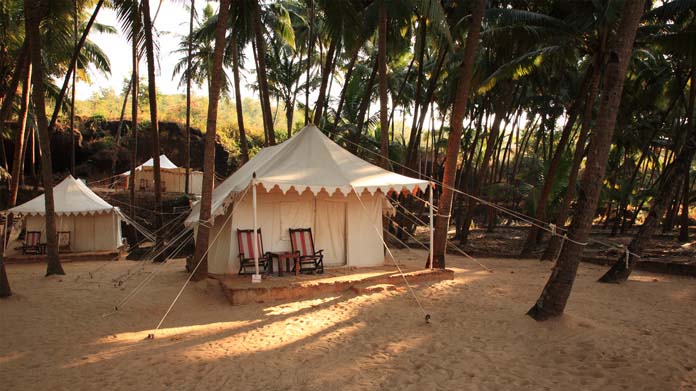

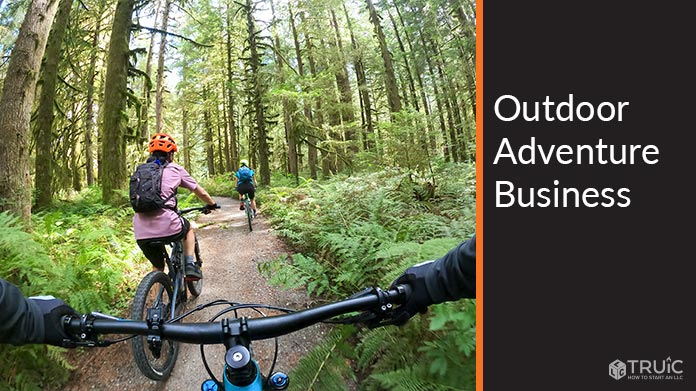
Outdoor Adventure
Outdoor adventure businesses can operate longer in warm regions where weather supports guided recreation and gear sales.
Benchmarks under editorial review.
Start guide ->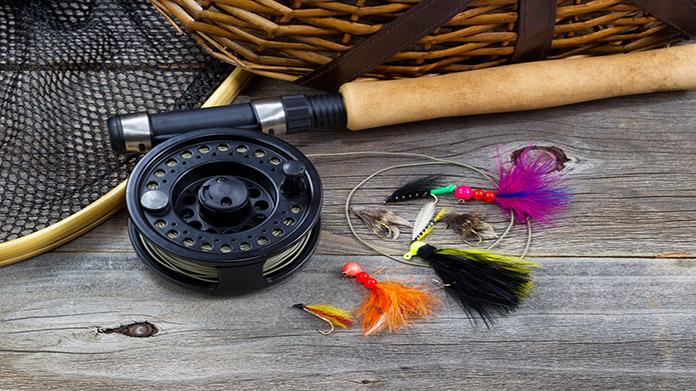
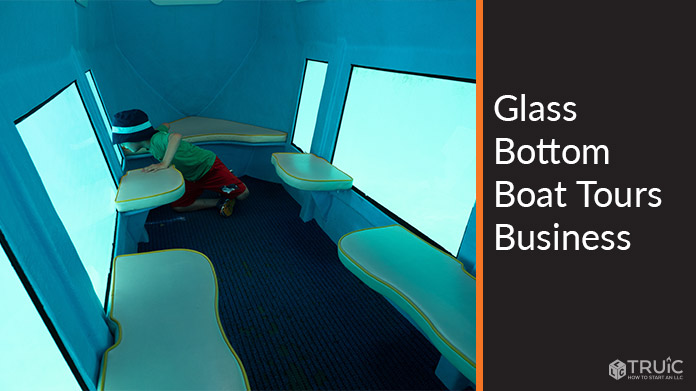
Glass Bottom Boat Tour
Glass bottom boat tours are a strong warm-climate fit when clear water, tourism, and vessel safety systems support the experience.
Benchmarks under editorial review.
Start guide ->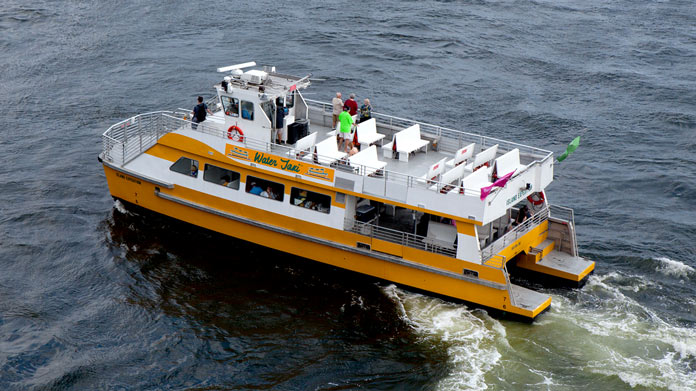
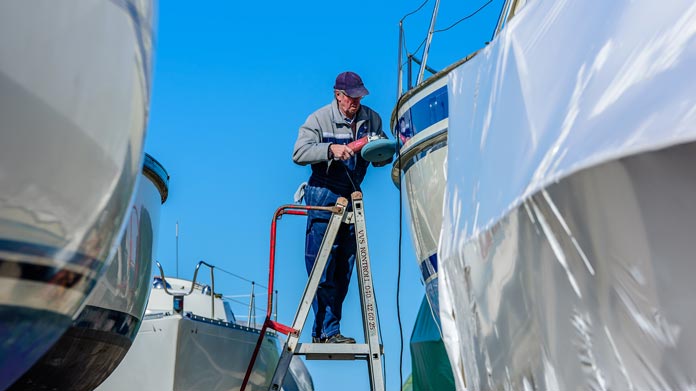
Boat Cleaning
Boat cleaning serves recurring marina and dockside maintenance in places where boats stay active for much of the year.
Benchmarks under editorial review.
Start guide ->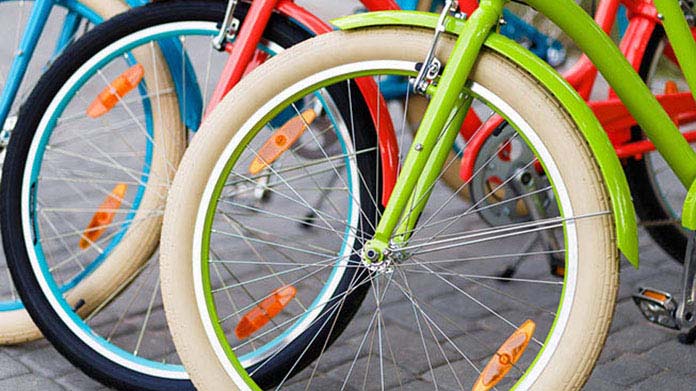
Bike Rental
Bike rental works in warm destinations with trails, beaches, downtown districts, or tourist corridors that support daily rentals.
Benchmarks under editorial review.
Start guide ->
Bike Tour
Bike tours fit warm-weather markets where visitors and residents can explore outdoors across a long riding season.
Benchmarks under editorial review.
Start guide ->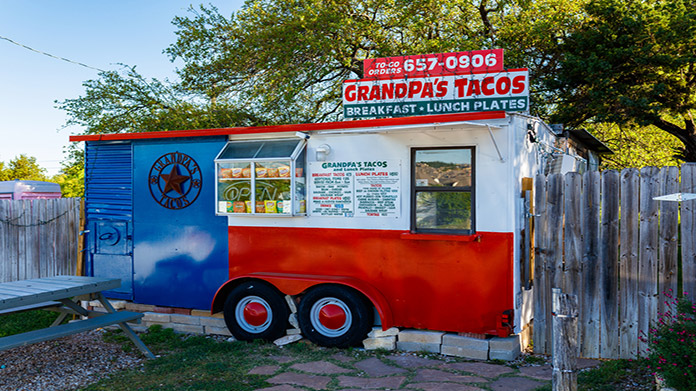
Food Truck
Food trucks fit warm-weather nightlife, festivals, beaches, markets, and outdoor dining patterns.
Researched planning guide: cost inputs, sources and an editable budget.
Start guide ->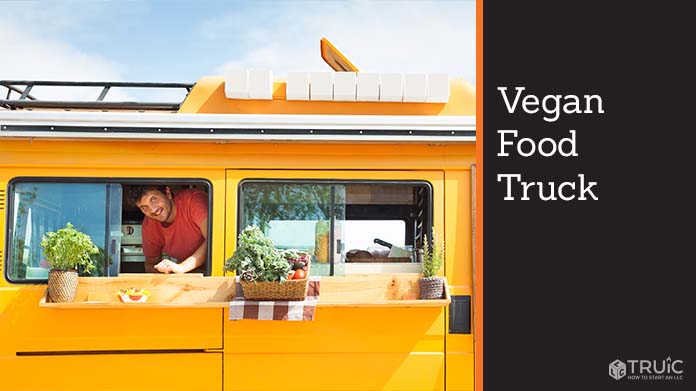

Juice Bar
Juice bars align with warm-climate refreshment demand and health-focused customers looking for cold beverages.
Benchmarks under editorial review.
Start guide ->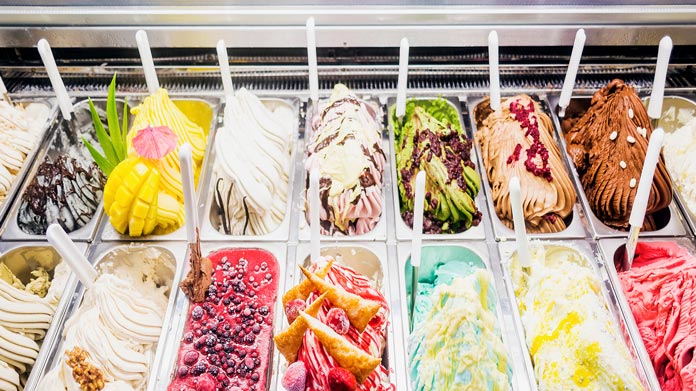
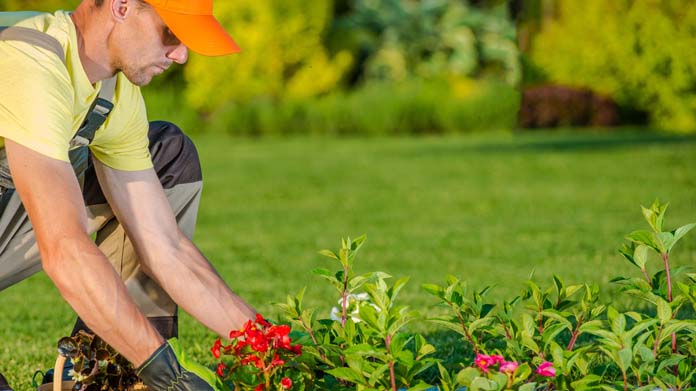
Responsible Landscaping
Responsible landscaping matches warm climates where outdoor spaces need year-round care and water-conscious design.
Benchmarks under editorial review.
Start guide ->Common Questions
Frequently asked questions
- What business works well in warm weather?
Warm-weather businesses often serve pools, beaches, lakes, patios, tourism, and outdoor recreation. Pool service, surfing school, canoe rentals, bike rentals, glamping, fishing charters, food trucks, juice bars, and mobile bartending are grounded examples from this list.
- How is a warm-weather business different from a summer business?
A summer business may rely on a short May-September window. A warm-weather business can run for much longer in hot or coastal regions where pool care, outdoor dining, water recreation, and tourism stay active most of the year.
- Which warm-weather ideas can start with lower costs?
Boat cleaning, bike tours, pool service, mobile bartending, fishing charters, and some food or beverage concepts can start smaller than glass bottom boat tours, water taxis, pool installation, Hipcamp locations, or camping retreats.
- Do warm-weather businesses need permits or insurance?
Many do, especially food trucks, mobile bartending, pool work, water transport, boat tours, rentals, surfing lessons, and outdoor lodging. Review local permits, liability coverage, safety procedures, and land or water-use rules before launch.
Useful Resources