Startup cost
$20k–$75k
TRUiC Business Ideas
Decision Snapshot
Idea Score
68
Startup cost
$20k–$75k
Profit margin
40%
Break-even
18 mo–36 mo
Time to launch
12 wk–26 wk
Demand trend
Stable
5-yr failure rate
—
Capital intensity
High
Time commitment
Full time
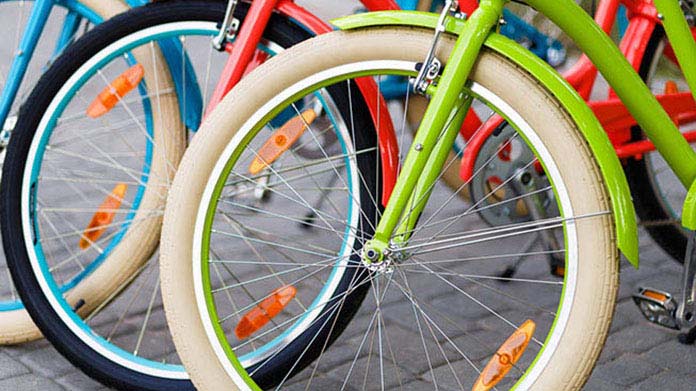
Starting a bike rental business can be an exciting venture for entrepreneurs who want to combine their passion for cycling with the growing demand for sustainable, health-conscious transportation options.
Having said that, you should keep in mind that launching a successful bike rental business requires more than just a fleet of bicycles — you’ll also need to understand seasonal demand patterns and develop a reliable and efficient system for keeping your bikes in top condition.
In this comprehensive guide, we’ll walk you through all the essential steps you’ll need to take to start your own bike rental business, from conducting market research and securing funding to choosing the right location, building your fleet, and attracting customers.
Our guide is in 3 parts:
In recent years, the U.S. bike rental market has experienced significant growth, having reached a peak of $790 million in 2023 and being forecast to continue expanding until 2028 at a compound annual growth rate (CAGR) of 6.80%.
In particular, this growth is primarily thought to be driven by an increased interest in outdoor activities and eco-friendly transportation options, as well as a rise in the number of bike-sharing programs in urban areas and a growing demand among tourists for interactive activities.
This expansion is also largely concentrated in urban centers — where concerns about traffic congestion and environmental impact of cars have led more people to seek alternative transportation methods. Additionally, the rise of electric bikes (e-bikes) has broadened the market’s appeal, attracting customers who might otherwise be hesitant about traditional cycling.
In terms of challenges, the main one faced by new entrants to this industry is its seasonal nature. Since demand typically peaks during warmer months and tourist seasons, businesses are forced to plan carefully if they want to avoid cash flow challenges and maintain profitability throughout the year.
However, many companies in this industry are already addressing this challenge by offsetting these seasonal fluctuations with innovative solutions like off-season discounts, loyalty programs, and app-based rentals.
If you’re considering whether a bike rental business is right for you, the first thing you’ll need to know is whether it’s a) affordable, and b) worth the investment. I mean, how much can you actually make running your own bike rental business?
Well, it depends. The initial investment for a bike rental business varies widely based on factors such as your fleet size, location, and the type of bikes you’ll offer:
Bicycle Fleet ($10,000 – $50,000): When starting out, the largest initial expense you’ll be faced with is likely to be the cost of purchasing an inventory of bikes. A basic fleet of 20 to 30 bikes might cost between $10,000 and $25,000 for standard models, while premium or electric bikes can push costs to $50,000 or more. With that said, the exact amount will depend on the mix of bike types you choose to offer (e.g., mountain bikes, cruisers, and e-bikes) and whether you buy new or used.
Storage and Security ($3,000 – $10,000): After this, your second biggest cost is likely to be that of securing an adequate retail location, or any other facility to store your fleet. Remember that on top of this cost, you’ll also need to budget for extras like bike racks, locks, security systems, and surveillance cameras in order to protect your inventory.
Maintenance Equipment ($2,000 – $5,000): Another key expense to factor into your startup costs will be that of obtaining all the basic repair tools, spare parts, maintenance stands, and cleaning supplies needed to keep your fleet in good working condition. This will include essential tools like bike pumps, repair kits, and lubricants, as well as basic replacement parts like tubes and tires.
Point of Sale System ($1,000 – $3,000): In order to be able to accept payments from customers, manage rentals, and track inventory, investing in a reliable booking and payment system is essential before you can get started. The amount you’ll spend on this is often quite deceptive, as there are a number of expensive components you’ll need to invest in — including card readers, tablets, computers, and software for reservations and payment processing.
Insurance ($2,000 – $5,000 annually): To ensure your business is adequately protected against the risk of liability claims, theft, and damage to its bikes, investing in comprehensive insurance coverage will be essential. You can read more about the specific policy types we recommend for a bike rental business in particular in Step 7.
Note: It’s recommended to maintain a working capital reserve of at least three to six months of operating expenses to handle seasonal fluctuations in demand and unexpected repairs or replacements.
While a bike rental business’s earnings typically follow a seasonal pattern — with peak revenue being generated during warmer months and tourist seasons — a well-managed operation still presents a good opportunity for significant earning potential.
During peak seasons, you can expect your bike rental business to achieve profit margins of anywhere between 40% and 60%. Assuming you charge a standard rate of between $30 and $40 for a full-day rental, you could generate a monthly revenue of between $13,500 and $18,000 with a fleet of 25 bikes and an average utilization rate of 60%.
While this example oversimplifies the reality of the situation slightly, it paints a clear picture of what you could expect to earn — just remember that your profitability will also heavily depend on factors such as:
Location and length of peak season
Fleet maintenance costs
Storage expenses during off-peak months
Marketing effectiveness
Competition in your area
In order to maximize their earning potential all year round, many successful bike rental businesses opt to diversify their revenue streams by offering other additional services.
Some of the easiest services to implement that you can use to diversify your business’s income include guided tours, bike maintenance services, selling bike accessories, and starting a loyalty program.
Yes, bike rental businesses can be quite profitable, particularly in tourist areas or cities with strong cycling cultures. With proper management, businesses can achieve profit margins between 40% and 60% during peak seasons.
However, profitability depends heavily on factors like location, season length, and fleet maintenance costs.
Depending on fleet size and quality, starting a bike rental business can require an initial investment of anywhere between $20,000 and $75,000 — which should be enough to cover the cost of your bikes, equipment, insurance, storage space, and initial marketing efforts.
Starting with a smaller fleet and expanding based on demand is often recommended as it helps to minimize initial costs.
To ensure your business is adequately protected, you’re often encouraged to invest in three main types of insurance: general liability, commercial property, and workers’ compensation insurance.
This combination ensures that your business is compliant with its legal obligations and also provides comprehensive protection against the main types of risks this type of business often faces.
To increase profitability, consider expanding your offerings with services like guided tours and experiences, bike maintenance services, and creating membership or loyalty programs.
Partnering with local hotels and tourism businesses as well as selling cycling accessories and equipment are also two powerful ways to grow your profits.
Business Evaluation & Strategy Tool
We'll walk you through the four pillars every business needs: Points of Leverage, Marketing Strategy, Financial Model, and Personal Compatibility. At the end you'll see a personalized report and your action plan below will be tailored to your answers.
Every viable business has natural advantages. Below are common leverage points across four categories. Pick the ones that apply to your Bike Rental business. We've pre-suggested a few based on your idea — review and adjust.
Without a way to connect with customers, even great businesses fail. Pick the channels you plan to use to reach your customers.
Enter your monthly baseline costs — the minimum overhead to keep the business running. Then we'll calculate how many sales per month you need to break even.
A business that doesn't fit your life will fail no matter how good the numbers look. Tell us how this business fits you.
Complete the four pillars and your personalized summary will appear here.
Nine concrete steps to take you from idea to open business, grouped into 30-day phases. Complete the planner above and we'll highlight what's most important for your situation.
An LLC keeps your personal assets separate from business debts and lawsuits — the most common reason small business owners choose this structure. Sole proprietorships and partnerships do not provide this protection.
Apply for your free Employer Identification Number through the IRS, then register for any state or local taxes that apply to your business (sales tax, franchise tax).
A dedicated business account is required to maintain personal asset protection. Mixing personal and business finances ('piercing the corporate veil') can void your LLC's liability shield.
Recording expenses and income from day one makes tax filing easier and lets you see when the business is actually profitable. Use software (QuickBooks, Wave) or a part-time bookkeeper.
State and local requirements vary widely. Brick-and-mortar businesses typically need a Certificate of Occupancy; service businesses may need specific professional licensing; food businesses need health permits.
General Liability Insurance is the most common starting point. If you'll have employees, most states require Workers' Compensation. Specific industries need additional coverage (product liability, professional liability, etc.).
Your brand is how customers perceive and remember you. A clear name, logo, and visual identity make every later marketing decision easier and protect you legally as you grow.
Every legitimate business needs a website. Social media pages are not a substitute — you don't own the platform. Modern website builders mean you can launch a clean site in a weekend without a developer.
A dedicated business number keeps your personal life private, makes the business look legitimate, and lets you route calls professionally. Cloud phone services start under $20/month.
Starting a Bike Rental business typically costs $20,000 to $75,000. It is considered a high capital-intensity business.
A Bike Rental business runs roughly a 40% net profit margin, and most owners reach break-even in about 18 to 36 months.
You can usually launch a Bike Rental business in about 12 to 26 weeks, and it is commonly run full time.
A Bike Rental business is generally an intermediate-skill business to start, with stable demand. TRUiC rates it 68 out of 100 on our Idea Score.
Most Bike Rental businesses register as an LLC or other legal entity and obtain a general business license. Depending on your state and city you may also need industry-specific permits, sales tax registration, and zoning or health approvals, so check your local requirements before you launch.