Startup cost
$40k–$250k
TRUiC Business Ideas
Decision Snapshot
Idea Score
42
Startup cost
$40k–$250k
Profit margin
7%
Break-even
18 mo–36 mo
Time to launch
12 wk–36 wk
Demand trend
Stable
5-yr failure rate
—
Capital intensity
Very high
Time commitment
Full time
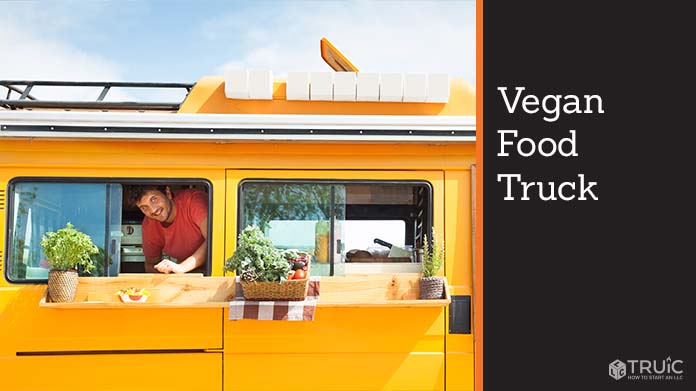
The first vegan food truck in the United States didn’t hit the road until 2010, but it quickly inspired fellow entrepreneurs across the nation. These mobile restaurants serve cuisine that’s free of both meat and animal byproducts. Proprietors don’t just supply convenient meals; they improve local access to vegan food and introduce new people to the lifestyle. They promote healthy eating while preventing the slaughter of animals. The mobile nature of this business enables chefs to offer catering services as well.
Our guide is in 3 parts:
Mobile Cuisine Magazine estimates the cost to open a new food truck at $40,000 to $250,000. Most chefs find it more affordable to start a food truck instead of a conventional restaurant. Nonetheless, it involves leasing or buying a large vehicle and various equipment.
Entrepreneurs need to purchase the initial inventory and supplies as well. Remember that many vegans prefer eco-friendly containers, which can be more expensive than typical packaging. Business owners must also pay fees for parking, licenses, permits, and certifications. To limit upfront expenses, prioritize in-season vegetables when creating your first menu.
At a minimum, you’ll need to pay for ingredients, food packaging materials, fuel, equipment maintenance, commercial vehicle insurance, and liability coverage. You will add wages and workers’ compensation insurance to the list if you hire anyone. Other possible expenses include commercial kitchen rental, credit card processing, marketing, storage, and loan interest.
While vegans and vegetarians usually rank among the most enthusiastic patrons, health-conscious customers and other curious individuals also visit vegan food trucks. Non-vegans in search of healthier meals represent a major target audience that most chefs can’t do without. Just 1 in 20 Americans eat strictly vegetarian meals, and only 3% embrace veganism, according to Gallup. Although they’re a relatively small group, people with entirely plant-based diets often spend more than average customers. Vegetarianism is most common among women over 40.
Mobile restaurants earn cash when customers order menu items and pay prices that exceed the cost of supplies, truck ownership, and labor. The proprietor might benefit from a few tips, but gratuities remain less common at food trucks than restaurants. Weather and travel trends have a big impact on revenue. Vegan chefs may gain extra income by offering gift certificates or reselling ingredients in small amounts. They can also charge a flat per-guest fee for catering services.
Prices vary significantly depending on local incomes, business expenses, and competition levels. For example, the Palm Beach Post reports that a vegan food truck in southern Florida charges around $12.50 for the average meal. These businesses command higher prices than typical food trucks, but ingredients also tend to cost more. Catering clients pay at least $10 for each guest served. High-end venues like weddings might yield per-guest fees as high as $35.
Numerous factors affect profitability, such as pricing, location, and suppliers. Comparatively, few businesses of this kind exist in America, so financial data remains scarce. The average food truck attains a profit margin of around 7 percent, higher than equivalent restaurants. Conventional vegetarian eateries often achieve relatively high margins.
Try to cut the cost of ingredients without sacrificing the quality or freshness. Consider buying directly from farmers or wholesale clubs. You might also benefit from selling meals at special events where people have a willingness to spend more, such as eco-friendly fairs and festivals.
Additional tips:
Sell hats, shirts, or magazines that are of interest to vegans.
Catering generally delivers more profit than direct food sales.
Learn basic truck repair skills, and buy a mechanic’s tool set.
Save fuel by running a diesel engine on used vegetable oil.
Think about supplying packaged, labeled snacks to stores.
Some chefs cook all of their food in the truck. Others use a commercial kitchen, which is required by certain cities. You’ll drive to a busy location, take orders from customers, and safely package meals before serving them. After-hours tasks range from cleaning to waste disposal. Chefs may transport excess food to homeless shelters or soup kitchens. You’ll also need to order supplies regularly.
Any job involving customer interaction will help prepare you, but working in a kitchen provides better training. State law normally requires a food handler certificate. An optional vegan certification assures customers that they’re consuming genuinely animal-free cuisine. Certain universities offer food truck courses online. You’ll typically only need a standard driver’s license, as commercial licenses are only necessary for unusually heavy vehicles.
Many entrepreneurs limit their operations to a single truck, yet growth potential is theoretically unlimited. A business can add more trucks and employees after achieving reliable profitability. Some chefs choose to develop traditional eateries based upon a successful truck. For instance, Seabirds Kitchen in New York began as a vegan food truck in 2010. It opened a stationary restaurant three years later and a second cafe in 2017, according to the Press-Telegram.
Develop an appealing, unique brand with beneficial goals. Highlight the story of how you became vegan and started your business. Use genuine, specific marketing language rather than unclear or exaggerated words that could foster skepticism about the food. Try not to alienate non-vegans.
Plan ahead and don’t hesitate to get help or advice from experienced business owners. If any competitors serve the area, differentiate your truck by focusing on a more specific niche like meatless, organic, gluten-free, or ethnic cuisine.
Many entrepreneurs run vegan food trucks alone at first. If the business attracts customers and seems likely to prosper, consider hiring someone to take orders while you prepare meals. This will expedite service and reduce mistakes. Try to find a person with customer service experience and a genuine interest in veganism. This job generally pays around $10 to $12 per hour.
Business Evaluation & Strategy Tool
We'll walk you through the four pillars every business needs: Points of Leverage, Marketing Strategy, Financial Model, and Personal Compatibility. At the end you'll see a personalized report and your action plan below will be tailored to your answers.
Every viable business has natural advantages. Below are common leverage points across four categories. Pick the ones that apply to your Vegan Food Truck business. We've pre-suggested a few based on your idea — review and adjust.
Without a way to connect with customers, even great businesses fail. Pick the channels you plan to use to reach your customers.
Enter your monthly baseline costs — the minimum overhead to keep the business running. Then we'll calculate how many sales per month you need to break even.
A business that doesn't fit your life will fail no matter how good the numbers look. Tell us how this business fits you.
Complete the four pillars and your personalized summary will appear here.
Nine concrete steps to take you from idea to open business, grouped into 30-day phases. Complete the planner above and we'll highlight what's most important for your situation.
An LLC keeps your personal assets separate from business debts and lawsuits — the most common reason small business owners choose this structure. Sole proprietorships and partnerships do not provide this protection.
Apply for your free Employer Identification Number through the IRS, then register for any state or local taxes that apply to your business (sales tax, franchise tax).
A dedicated business account is required to maintain personal asset protection. Mixing personal and business finances ('piercing the corporate veil') can void your LLC's liability shield.
Recording expenses and income from day one makes tax filing easier and lets you see when the business is actually profitable. Use software (QuickBooks, Wave) or a part-time bookkeeper.
State and local requirements vary widely. Brick-and-mortar businesses typically need a Certificate of Occupancy; service businesses may need specific professional licensing; food businesses need health permits.
General Liability Insurance is the most common starting point. If you'll have employees, most states require Workers' Compensation. Specific industries need additional coverage (product liability, professional liability, etc.).
Your brand is how customers perceive and remember you. A clear name, logo, and visual identity make every later marketing decision easier and protect you legally as you grow.
Every legitimate business needs a website. Social media pages are not a substitute — you don't own the platform. Modern website builders mean you can launch a clean site in a weekend without a developer.
A dedicated business number keeps your personal life private, makes the business look legitimate, and lets you route calls professionally. Cloud phone services start under $20/month.
Starting a Vegan Food Truck business typically costs $40,000 to $250,000. It is considered a very high capital-intensity business.
A Vegan Food Truck business runs roughly a 7% net profit margin, and most owners reach break-even in about 18 to 36 months.
You can usually launch a Vegan Food Truck business in about 12 to 36 weeks, and it is commonly run full time.
A Vegan Food Truck business is generally an intermediate-skill business to start, with stable demand. TRUiC rates it 42 out of 100 on our Idea Score.
Most Vegan Food Truck businesses register as an LLC or other legal entity and obtain a general business license. Depending on your state and city you may also need industry-specific permits, sales tax registration, and zoning or health approvals, so check your local requirements before you launch.