Startup cost
$10k–$100k
TRUiC Business Ideas
Decision Snapshot
Idea Score
67
Startup cost
$10k–$100k
Profit margin
20%
Break-even
4 mo–12 mo
Time to launch
12 wk–36 wk
Demand trend
Rising
5-yr failure rate
—
Capital intensity
High
Time commitment
Full time
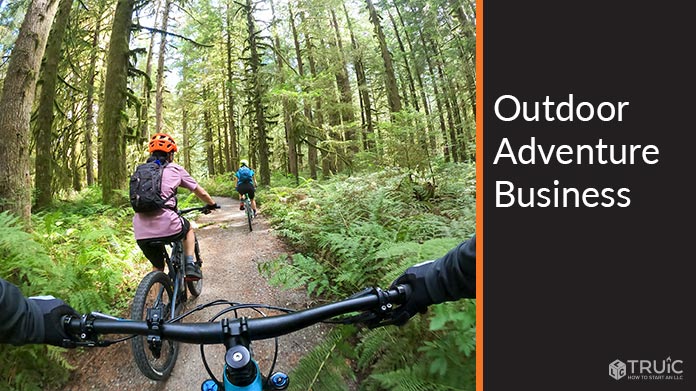
Would you like to spend more time in nature? If so, think about becoming an outdoor adventure guide. These professionals arrange and lead recreational trips that involve activities such as fishing, paddleboarding, mountain climbing, and kayaking. Although some adventure businesses offer private tours, they frequently serve groups of customers.
Our guide is in 3 parts:
You’ll probably need to pay for one or more licenses. They usually cost a minimum of $100. At the least, this business requires some basic safety gear and first-aid supplies. You can buy a small waterproof medical kit for less than $20 and a larger, more advanced set for about $35. Some adventures call for costly equipment like boats, snowmobiles, or ATVs. To avoid high upfront expenses, partner with a nearby rental business that can supply your clients with equipment at discounted rates.
You’re likely to spend around $800 per year on liability insurance. It may cost more if you engage in more dangerous activities. Equipment maintenance, fuel, utilities, and provisions will add to your expenses. You also need to pay for advertising and/or sales commissions.
Numerous vacationers between 40 and 70 years of age sign up for adventure tours. On average, clients are just under 50 years old. This service has gained popularity among men as well as women. Casual customers spend less, but they might embark on longer trips after sampling a short excursion.
These firms generally charge flat per-person fees. Customers make a deposit and pay the full amount at the end of a journey. Customers often tip as well. Depending on your location and the variety of activities you offer, income may or may not be seasonal.
Prices vary based upon your reputation, amenities, level of customization, and other factors. A lengthy international expedition may cost several thousand dollars whereas vacationers often pay under $700 for local, two-day excursions. Some guides offer quick trips for less than $100 per person. If you normally supply equipment, you could give a discount to customers who bring their own gear. However, you should ensure they have suitable, well-maintained equipment before departing.
Companies in this sector frequently have a profit margin of around 20%. Short, basic trips tend to have lower margins while complex, lengthy expeditions yield greater profits.
Try to attract more people for each excursion, but don’t let groups become so large that it compromises safety or degrades the experience. On the other hand, you can also boost earnings by charging a special tour fee for one-person journeys. Find ways to differentiate your adventures so they aren’t identical to any other company’s trips. This reduces the need to compete on price alone. More ideas:
Learn how to maintain and repair your outdoor gear.
Ask equipment brands about discounts for professionals.
Try to take remarkable photographs that you can sell.
Guides plan trips and oversee clients during tours. You’ll help customers enjoy the expedition, learn interesting facts, and avoid injuries. This occupation may also involve preparing food, especially if you embark on lengthy excursions. The work doesn’t always take place outdoors; you’ll need to perform office tasks like marketing, answering phone calls, and ordering supplies.
A wide range of abilities can come in handy in this line of work, such as first aid, outdoor food preparation, and vacation planning. You need to communicate well in person and by phone. Long-term involvement in at least one outdoor sport proves vital. You could prepare by taking an educational course for guides. Another option is to work as an adventure guide for an established company before starting your own firm.
This sector grew faster than most tourism businesses in recent years. Women’s Fitness Adventures is an example of a successful small company. An entrepreneur started the firm in 2013. It arranges hiking and mountain-climbing trips in Australia, according to the Outdoor Women’s Alliance. Such businesses rarely establish multiple locations or create franchises. However, they can promote themselves nationwide and attract long-distance vacationers. National Geographic organizes adventures to a variety of international destinations.
Learn how to identify an assortment of plants and animals. Take the time to memorize some intriguing facts about them. This knowledge will provide you with conversation topics and help you answer questions accurately.
Deciding to only accept cash will slightly reduce your expenses, but this inconvenience discourages many vacationers from using guide services. It’s best to take credit cards and consider accepting additional forms of payment.
Clearly describe the physical demands and state a minimum age in every adventure description. Offer details on any waiver requirements, the smallest allowable group size, and what a client needs to bring. The more questions you answer on your website, the less time you’ll spend talking on the phone.
Certain undesirable customers could put you and fellow clients at risk or make the trip unpleasant for everyone. Briefly evaluate all of the guests before leaving. If someone has been using drugs or is intoxicated, give them a full refund and politely request that they leave. The same goes for individuals who behave inappropriately or clearly lack the physical fitness needed for an adventure.
If you consistently attract more clients than you can serve, you could hire additional guides. They’ll enable you to offer multiple adventures at the same time or throughout the week. ZipRecruiter reports that guides earn about $30,400 on average. They must have a willingness to work variable hours. A less expensive option is to hire an assistant who accompanies you on trips or performs office tasks. Try to find a gregarious person with some sort of outdoor recreation experience.
Business Evaluation & Strategy Tool
We'll walk you through the four pillars every business needs: Points of Leverage, Marketing Strategy, Financial Model, and Personal Compatibility. At the end you'll see a personalized report and your action plan below will be tailored to your answers.
Every viable business has natural advantages. Below are common leverage points across four categories. Pick the ones that apply to your Outdoor Adventure business. We've pre-suggested a few based on your idea — review and adjust.
Without a way to connect with customers, even great businesses fail. Pick the channels you plan to use to reach your customers.
Enter your monthly baseline costs — the minimum overhead to keep the business running. Then we'll calculate how many sales per month you need to break even.
A business that doesn't fit your life will fail no matter how good the numbers look. Tell us how this business fits you.
Complete the four pillars and your personalized summary will appear here.
Nine concrete steps to take you from idea to open business, grouped into 30-day phases. Complete the planner above and we'll highlight what's most important for your situation.
An LLC keeps your personal assets separate from business debts and lawsuits — the most common reason small business owners choose this structure. Sole proprietorships and partnerships do not provide this protection.
Apply for your free Employer Identification Number through the IRS, then register for any state or local taxes that apply to your business (sales tax, franchise tax).
A dedicated business account is required to maintain personal asset protection. Mixing personal and business finances ('piercing the corporate veil') can void your LLC's liability shield.
Recording expenses and income from day one makes tax filing easier and lets you see when the business is actually profitable. Use software (QuickBooks, Wave) or a part-time bookkeeper.
State and local requirements vary widely. Brick-and-mortar businesses typically need a Certificate of Occupancy; service businesses may need specific professional licensing; food businesses need health permits.
General Liability Insurance is the most common starting point. If you'll have employees, most states require Workers' Compensation. Specific industries need additional coverage (product liability, professional liability, etc.).
Your brand is how customers perceive and remember you. A clear name, logo, and visual identity make every later marketing decision easier and protect you legally as you grow.
Every legitimate business needs a website. Social media pages are not a substitute — you don't own the platform. Modern website builders mean you can launch a clean site in a weekend without a developer.
A dedicated business number keeps your personal life private, makes the business look legitimate, and lets you route calls professionally. Cloud phone services start under $20/month.
Starting an Outdoor Adventure business typically costs $10,000 to $100,000. It is considered a high capital-intensity business.
An Outdoor Adventure business runs roughly a 20% net profit margin, and most owners reach break-even in about 4 to 12 months.
You can usually launch an Outdoor Adventure business in about 12 to 36 weeks, and it is commonly run full time.
An Outdoor Adventure business is generally an intermediate-skill business to start, with rising demand. TRUiC rates it 67 out of 100 on our Idea Score.
Most Outdoor Adventure businesses register as an LLC or other legal entity and obtain a general business license. Depending on your state and city you may also need industry-specific permits, sales tax registration, and zoning or health approvals, so check your local requirements before you launch.