Startup cost
$2.4k
TRUiC Business Ideas
Decision Snapshot
Idea Score
52
Startup cost
$2.4k
Profit margin
4%
Break-even
4 mo–12 mo
Time to launch
2 wk–8 wk
Demand trend
Stable
5-yr failure rate
—
Capital intensity
Low
Time commitment
Full time
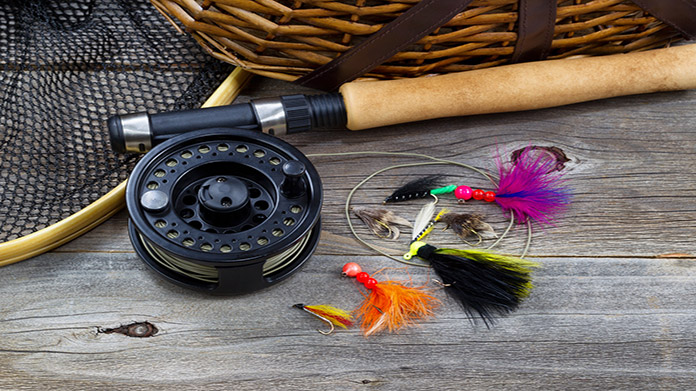
Many people enjoy fishing, but few people have the boats, tackle and knowledge to go fishing far from shore. Fishing charter businesses take people on fishing trips that they otherwise wouldn’t be able to experience. These trips may range from going into swamps to venturing far offshore. Customers are usually allowed to keep any fish that they catch (assuming the fish are legal to keep).
Our guide is in 3 parts:
The startup expenses for a fishing charter business are significant, usually falling in the tens of thousands of dollars. The largest expense, by far, is the cost of purchasing a boat. According to FinAngler Charters, which created a business plan for a fishing charter in Florida, a new boat can be had for a little over $41,000, but they also can cost much, much more.
Other startup expenses that FinAngler Charters lists include:
dockage, which was budgeted at $2,400
insurance, which was budgeted at $2,500
business Licenses, which will vary by state
a fishing license, which will will vary by state
utilities, which was budgeted at $600
advertising, bookkeeping, legal and management fees
(Expenses for dockage and insurance in other regions will vary.)
Business owners looking to reduce startup costs may want to purchase a used boat, rather than a new one. Boat Trader has a number of used boats listed for sale that cost a lot less than $30,000.
Purchasing a used boat has a tradeoff, though. New boats usually come with maintenance plans and warranties, which reduce a fishing charter business’ ongoing expenses. When purchasing a used boat, a business must be financially prepared for emergency repairs and plan on higher maintenance costs.
The ongoing fees for a fishing charter business are significant, but they aren’t as high as the upfront expenses. FinAngler lists the following costs as ongoing expenses:
captain’s fees (or salary), $150 per day
fuel and oil, $32.50 per day
Bait and ice, $30.00 per day
Tackle, $10.00 per day
Dockage, $7,200 per year
Insurance, $2,500 per year
Business and fishing licenses
Utilities, accounting, advertising, management and legal costs
Boat maintenance, $1,000 per year (for a new boat under warranty)
Boat depreciation, $6,000 per year
A fishing charter business’ ideal client is someone who likes fishing and has discretionary income. Such a person is likely interested in a fishing charter, and they can afford to go on one.
A fishing charter business makes money by charging customers who want to go on fishing trips. Trips may last anywhere from a few hours to several days. Most charters, however, are either half-day or full-day trips.
The price of a fishing charter depends on the region that a business is in and the type of fishing it provides. For instance, a fishing charter in Destin, Florida charges between $165 and $200 per hour for up to six people. Meanwhile, a charter in Milwaukee, Wisconsin charges $750 for an 8-hour charter with up to six people, which averages out to under $100 per hour.
Most charters have a flat rate for up to six people, because how many people are on a trip doesn’t significantly affect how much the trip costs the business. Charters that are licensed to take more than six people often add on a fee for each additional person.
A well-run fishing charter business should earn about a 25-percent profit. Going out 200 days a year, this would equate to an annual profit around $34,300 (after the captain has been paid).
A fishing charter business can add another revenue stream by offering other types of trips. Depending on its location, a charter boat may be used for snorkeling, scuba diving, wildlife tours or sightseeing.
A charter business owner begins their day by getting fuel, bait and ice. While getting these supplies, captains often discuss the current weather and fishing conditions with other fishing charter captains and the marina owner. (Ice is used to keep fish fresh. In some setups, fish can be kept in water tanks that are built into a boat, and ice isn’t necessary.)
Customers usually meet the captain at the marina. Everyone boards the boat, and the captain explains any pertinent safety information and the day’s plan. While fishing, the captain helps customers bait their lines, use proper technique and reel in fish.
Once back at the dock, the fish are cleaned and the boat is wiped down for the next day. This may be done by the captain or an employee.
Most fishing charter business owners will need to be licensed by the U.S. Coast Guard. The type of license that a captain must have depends on how many people they’ll be taking out on their boat and how far from shore they’ll be traveling. The National Maritime Center has a directory of approved courses, which are offered throughout the country by different companies. One such company is Maritime Professional Training, which offers certified courses in Fort Lauderdale, Florida.
In addition to knowing how to operate a boat safely, captains should also be expert fishermen (or women). Business owners who don’t already know how to fish may want to work for another fishing charter captain in the area for a season before opening their own business. Hands-on experience is the best way to learn how to fish.
Finally, business owners should be familiar with the business side of a fishing charter business. How to Start a Fishing Charter Business has information on this.
Most fishing charter businesses operate out of a single location, because captains need to have an in-depth knowledge of the waters they fish. Operating in different regions — even if on the same body of water — reduces how much a captain will know about the fishing in each region.
Businesses may operate multiple boats out of a single harbor, though. A fishing charter business in Port Canaveral, Florida, for example, has two boats.
When choosing a boat, business owners should look for one that is built for the type of water they’ll be fishing in. Fishing in bayous and swamps may require a flat-bottomed boat that has a shallow draw, while heading miles offshore might call for a deep V-bottomed boat that is built to handle waves.
Additionally, business owners that plan on purchasing a used boat should be weary of buying a boat without an engine. Boats that don’t have engines are usually extremely inexpensive, but engines alone can cost thousands of dollars — thus greatly increasing the cost of a vessel.
Finally, getting a boat with diesel engines generally helps businesses reduce their fuel costs. How much a business can save on fuel by selecting diesel engines will depend on how far from a marina the boat will be taken.
Most captains are able to field phone calls and emails from customers if they operate one or two boats. Captains who have more than two boats, however, may want to hire a receptionist to help manage booking trips.
Some captains might also want to hire a first mate, who can help customers while fishing, and clean fish and wipe down the boat at the end of the day. This person can be hired when the demand requires another set of hands (and the revenue supports an employee).
Read our fishing charter business hiring guide to learn about the different roles a fishing charter business typically fills, how much to budget for employee salaries, and how to build your team exactly how you want it.
Business Evaluation & Strategy Tool
We'll walk you through the four pillars every business needs: Points of Leverage, Marketing Strategy, Financial Model, and Personal Compatibility. At the end you'll see a personalized report and your action plan below will be tailored to your answers.
Every viable business has natural advantages. Below are common leverage points across four categories. Pick the ones that apply to your Fishing Charter business. We've pre-suggested a few based on your idea — review and adjust.
Without a way to connect with customers, even great businesses fail. Pick the channels you plan to use to reach your customers.
Enter your monthly baseline costs — the minimum overhead to keep the business running. Then we'll calculate how many sales per month you need to break even.
A business that doesn't fit your life will fail no matter how good the numbers look. Tell us how this business fits you.
Complete the four pillars and your personalized summary will appear here.
Nine concrete steps to take you from idea to open business, grouped into 30-day phases. Complete the planner above and we'll highlight what's most important for your situation.
An LLC keeps your personal assets separate from business debts and lawsuits — the most common reason small business owners choose this structure. Sole proprietorships and partnerships do not provide this protection.
Apply for your free Employer Identification Number through the IRS, then register for any state or local taxes that apply to your business (sales tax, franchise tax).
A dedicated business account is required to maintain personal asset protection. Mixing personal and business finances ('piercing the corporate veil') can void your LLC's liability shield.
Recording expenses and income from day one makes tax filing easier and lets you see when the business is actually profitable. Use software (QuickBooks, Wave) or a part-time bookkeeper.
State and local requirements vary widely. Brick-and-mortar businesses typically need a Certificate of Occupancy; service businesses may need specific professional licensing; food businesses need health permits.
General Liability Insurance is the most common starting point. If you'll have employees, most states require Workers' Compensation. Specific industries need additional coverage (product liability, professional liability, etc.).
Your brand is how customers perceive and remember you. A clear name, logo, and visual identity make every later marketing decision easier and protect you legally as you grow.
Every legitimate business needs a website. Social media pages are not a substitute — you don't own the platform. Modern website builders mean you can launch a clean site in a weekend without a developer.
A dedicated business number keeps your personal life private, makes the business look legitimate, and lets you route calls professionally. Cloud phone services start under $20/month.
Starting a Fishing Charter business typically costs $2,400. It is considered a low capital-intensity business.
A Fishing Charter business runs roughly a 4% net profit margin, and most owners reach break-even in about 4 to 12 months.
You can usually launch a Fishing Charter business in about 2 to 8 weeks, and it is commonly run full time.
A Fishing Charter business is generally an intermediate-skill business to start, with stable demand. TRUiC rates it 52 out of 100 on our Idea Score.
Most Fishing Charter businesses register as an LLC or other legal entity and obtain a general business license. Depending on your state and city you may also need industry-specific permits, sales tax registration, and zoning or health approvals, so check your local requirements before you launch.