Startup cost
$100k–$150k
TRUiC Business Ideas
Decision Snapshot
Idea Score
70
Startup cost
$100k–$150k
Profit margin
25%
Break-even
4 mo–12 mo
Time to launch
12 wk–36 wk
Demand trend
Rising
5-yr failure rate
—
Capital intensity
High
Time commitment
Full time
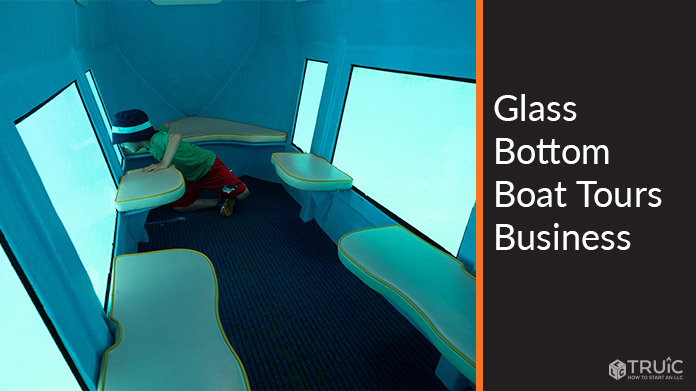
The first glass-bottom rowboat was invented in Florida during the 19th century. It gave tourists an excellent view of underwater plants and animals. Today, glass-bottom vessels remain a popular attraction. Modern tour boats have electric engines and lights that illuminate the water at night. They provide an enjoyable experience with long-lasting memories.
Our guide is in 3 parts:
First, you must purchase a new or used vessel. Some glass-bottom boats are custom-manufactured, but you can also buy a mass-produced model like the Looker 370. You’d probably spend over $300,000 on a new boat while pre-owned crafts cost $100,000 to $150,000. If you seek a high-capacity vessel that carries over 200 people, plan on paying more than $1 million. You may also need to obtain electronics and appliances if the boat doesn’t come with this equipment. Remember to acquire adult and child-size life jackets. You can buy them for $9 to $17 each — they cost the least when you order bulk sets of four or more.
Liability and boat insurance often cost around $500 to $800 per year. Operators have to maintain and repair vessels; expect to spend at least $3,000 annually on maintenance. Engines need gasoline or electricity as well. Many marine batteries cost $80 to $500 each. You may have to order wholesale food and beverages. Yearly boat registration fees cost around $50. Tour vessels usually have restrooms, so you’ll need to pay for sewage pumpouts. Most facilities charge less than $45. Other expenses include advertising, wages, payment processing, and docking.
Both travelers and locals board glass-bottom tour boats. They include people of many different ages. Wealthy young adults or middle-aged vacationers may produce the greatest revenue because they can afford to buy more food and usually don’t qualify for discounts.
Customers pay per-passenger fees for tickets. Longer voyages cost incrementally more than brief tours. Some operators sell snacks and beverages as well. Stormy weather, recessions, and changes in water clarity can affect income levels.
Most rates range from $20 to $50 per person. Silver Springs State Park charges about $10 for a 40-minute trip or $25 for a 90-minute voyage, according to the South Florida Sun Sentinel. A business in Oahu prices one-hour excursions at $39 to $50. Another tour operator sells snacks for $1 each and soda for $2.
Costly equipment and supplies limit the net earnings of tour operators. Many firms have slim profit margins, even in popular destinations like Hawaii. Some well-located companies have achieved margins as high as 25% at the best of times. A declining business in an area with poor water quality might have a margin as low as 5%.
You could boost your income by selling gift certificates. Gift certificates give passengers an opportunity to spend more money, and some certificates probably won’t get redeemed. Another option is to offer private charter services; private expeditions tend to yield higher hourly rates. You can also consider developing expensive special packages for important occasions, such as weddings. They ought to include some luxurious products and a longer trip.
Think about establishing a minimum occupancy rule because you lose money when only a few passengers show up. You could provide a small bonus along with a refund for anyone you turn away. Consider offering a private voyage for an extra fee if they don’t want to cancel. Another way to increase your profit margin is to save money on fuel or electricity:
Compare different marinas’ prices online.
Remove unnecessary objects from your vessel.
Thoroughly insulate any refrigerators.
Install energy-efficient LED lights.
You’ll need to handle payments, perform marketing tasks, keep records, and answer customers’ questions. After departing at the scheduled time, you will follow a predetermined route and eventually return to the dock. Some captains make entertaining announcements during each trip. At the end of the day, entrepreneurs will also need to set aside time to maintain and clean their boats.
You can benefit from experience in providing customer service and operating motorized boats. Repair expertise proves valuable but not mandatory. You’ll need a captain’s license to transport paying customers. The licensing process involves an examination and fees. You can enroll in a training course if necessary.
Relatively few operators exist, so there’s not much data on the growth of this sector. Standard river cruises were becoming more popular, and many entrepreneurs achieved long-lasting prosperity without expanding their businesses. For example, a captain based in Hawaii began offering glass-bottom tours on a catamaran in 1999 and continues to do so. Others purchase multiple boats in an effort to serve more customers. Dolphins Down Under in Orange Beach, Alabama expanded its capacity by using two vessels. It also arranges private charter trips and snorkeling tours.
Before you sell the first ticket, make a detailed list of rules and policies. Specify the minimum age to ride alone without a parent. Decide if customers can bring their own snacks and drinks. Do you allow alcoholic beverages? Is the boat wheelchair accessible? How many people can safely board the vessel at one time? What weather conditions do you consider acceptable? You need to have quick answers to all of these questions.
Try contacting local newspapers and other media outlets when you start your business, especially if you lack nearby competitors. Some states currently don’t have any glass-bottom boat tours, so the novelty of your enterprise could attract free news coverage.
Depending on the size of your vessel, you may not have to hire staff at first. A thriving business might require a snack bar attendant. These employees earn about $21,000 per year on average, according to Glassdoor. Skilled crew members get paid somewhat more. If you can’t serve all of the customers on your own, you could buy another boat and hire a second captain. ZipRecruiter reports that they earn approximately $34,000 to $51,000.
Business Evaluation & Strategy Tool
We'll walk you through the four pillars every business needs: Points of Leverage, Marketing Strategy, Financial Model, and Personal Compatibility. At the end you'll see a personalized report and your action plan below will be tailored to your answers.
Every viable business has natural advantages. Below are common leverage points across four categories. Pick the ones that apply to your Glass Bottom Boat Tour business. We've pre-suggested a few based on your idea — review and adjust.
Without a way to connect with customers, even great businesses fail. Pick the channels you plan to use to reach your customers.
Enter your monthly baseline costs — the minimum overhead to keep the business running. Then we'll calculate how many sales per month you need to break even.
A business that doesn't fit your life will fail no matter how good the numbers look. Tell us how this business fits you.
Complete the four pillars and your personalized summary will appear here.
Nine concrete steps to take you from idea to open business, grouped into 30-day phases. Complete the planner above and we'll highlight what's most important for your situation.
An LLC keeps your personal assets separate from business debts and lawsuits — the most common reason small business owners choose this structure. Sole proprietorships and partnerships do not provide this protection.
Apply for your free Employer Identification Number through the IRS, then register for any state or local taxes that apply to your business (sales tax, franchise tax).
A dedicated business account is required to maintain personal asset protection. Mixing personal and business finances ('piercing the corporate veil') can void your LLC's liability shield.
Recording expenses and income from day one makes tax filing easier and lets you see when the business is actually profitable. Use software (QuickBooks, Wave) or a part-time bookkeeper.
State and local requirements vary widely. Brick-and-mortar businesses typically need a Certificate of Occupancy; service businesses may need specific professional licensing; food businesses need health permits.
General Liability Insurance is the most common starting point. If you'll have employees, most states require Workers' Compensation. Specific industries need additional coverage (product liability, professional liability, etc.).
Your brand is how customers perceive and remember you. A clear name, logo, and visual identity make every later marketing decision easier and protect you legally as you grow.
Every legitimate business needs a website. Social media pages are not a substitute — you don't own the platform. Modern website builders mean you can launch a clean site in a weekend without a developer.
A dedicated business number keeps your personal life private, makes the business look legitimate, and lets you route calls professionally. Cloud phone services start under $20/month.
Starting a Glass Bottom Boat Tour business typically costs $100,000 to $150,000. It is considered a high capital-intensity business.
A Glass Bottom Boat Tour business runs roughly a 25% net profit margin, and most owners reach break-even in about 4 to 12 months.
You can usually launch a Glass Bottom Boat Tour business in about 12 to 36 weeks, and it is commonly run full time.
A Glass Bottom Boat Tour business is generally an intermediate-skill business to start, with rising demand. TRUiC rates it 70 out of 100 on our Idea Score.
Most Glass Bottom Boat Tour businesses register as an LLC or other legal entity and obtain a general business license. Depending on your state and city you may also need industry-specific permits, sales tax registration, and zoning or health approvals, so check your local requirements before you launch.