
Quick Fit
Who this list is for
Chefs, bakers, caterers, and hospitality operators
Intermediate culinary skill plus permits, pricing, and operations
Food truck, storefront, bakery, cafe, catering, or wholesale
Curation Notes
Why these ideas
This list favors food and hospitality ideas where a chef can turn menu skill into a repeatable operating model. Food trucks, juice bars, bakeries, tea shops, gelato, cafes, cakes, and catering are balanced against capital needs, launch timelines, margins, permits, and whether the model works mobile, local, home-based, or wholesale.
Curated List
Browse the curated ideas
Compare each option by startup cost, margin, launch timeline, operating model, and fit for this category.
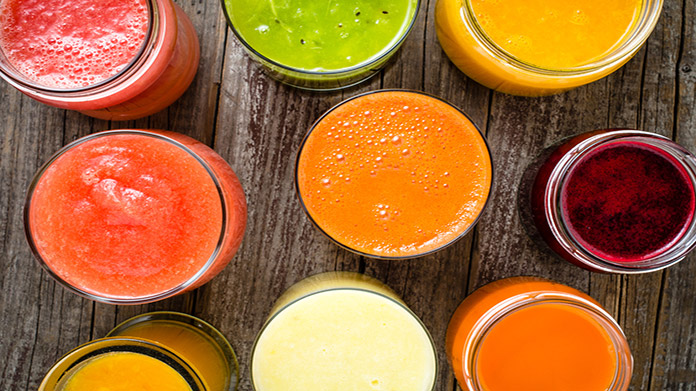
Juice Bar
A juice bar lets chefs build a repeatable beverage menu around freshness, location, and wellness-oriented demand.
Benchmarks under editorial review.
Start guide ->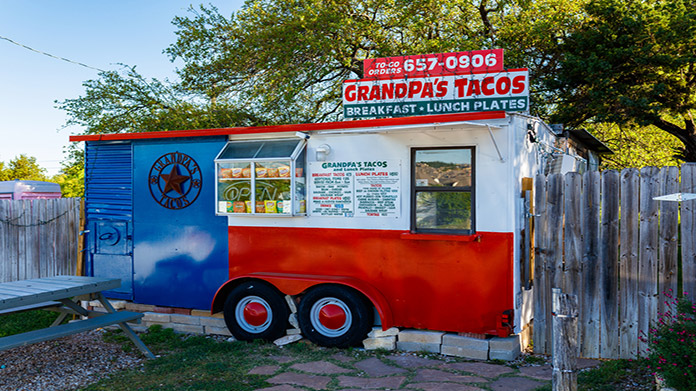
Food Truck
A food truck fits chefs who want a mobile menu, event access, and lower real estate commitment than a full restaurant.
Researched planning guide: cost inputs, sources and an editable budget.
Start guide ->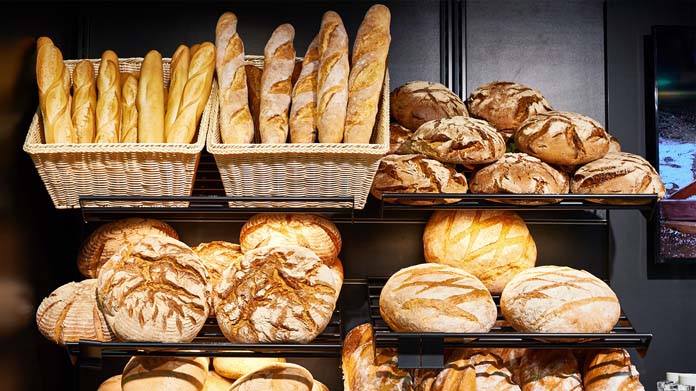
Bread Bakery
A bread bakery fits chefs and bakers who can turn production discipline into daily staples, wholesale accounts, or a storefront concept.
Benchmarks under editorial review.
Start guide ->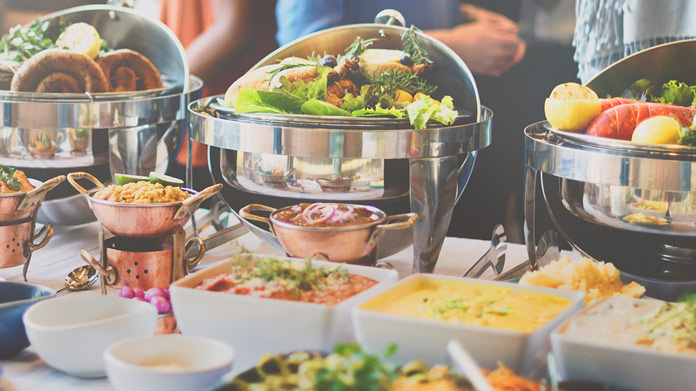
Buffet
A buffet is a high-capital chef option where batch production, food cost control, and service flow become the core advantage.
Benchmarks under editorial review.
Start guide ->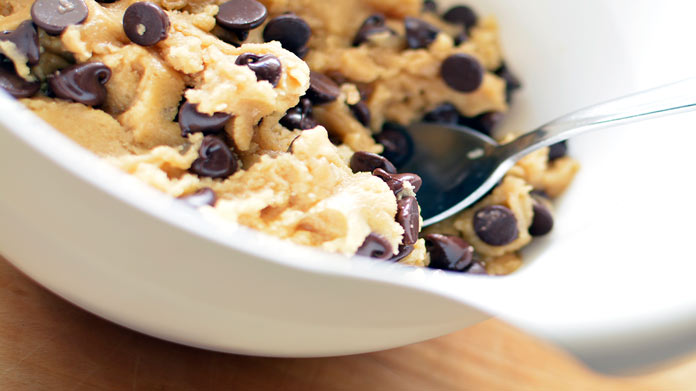
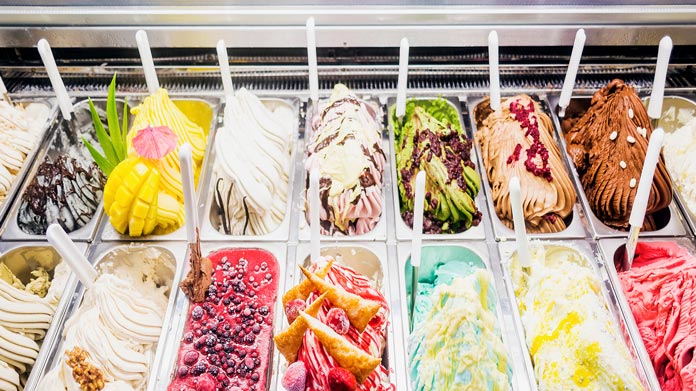
Gelato Bar
A gelato bar fits chefs who want a focused dessert menu with strong product craft and a smaller concept than a full restaurant.
Benchmarks under editorial review.
Start guide ->
Board Game Cafe
A board game cafe gives chefs a food-and-experience model where snacks, drinks, and repeat group visits support the venue.
Benchmarks under editorial review.
Start guide ->
Tea Shop
A tea shop suits chefs interested in beverage menus, light food, hospitality, and a local gathering space.
Benchmarks under editorial review.
Start guide ->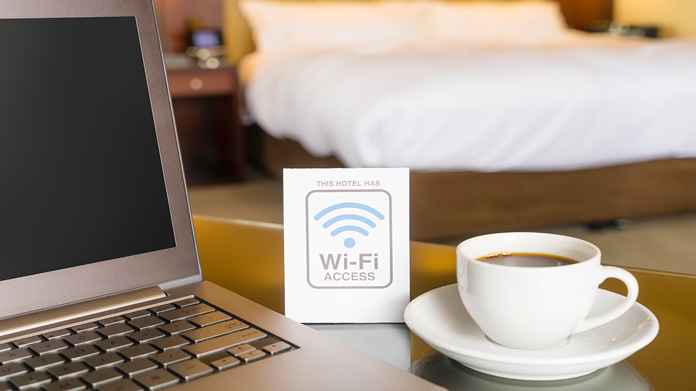
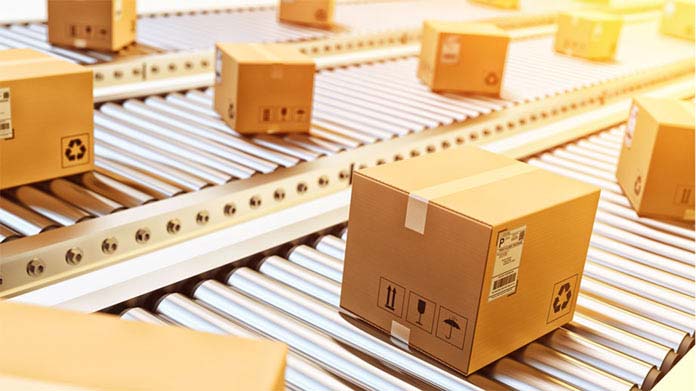
Import And Export
Import and export can fit chefs who know specialty ingredients, supplier quality, and what restaurants or home cooks will buy repeatedly.
Benchmarks under editorial review.
Start guide ->
Karaoke Bar
A karaoke bar fits chefs drawn to nightlife hospitality where food, drinks, and entertainment work together.
Benchmarks under editorial review.
Start guide ->
Sandblasting
Sandblasting is an outlier comparison in the list, useful for chefs weighing hands-on local service economics against kitchen-heavy food concepts.
Benchmarks under editorial review.
Start guide ->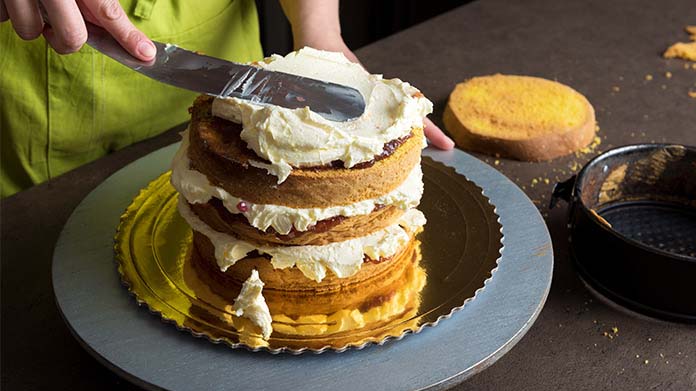
Cake
A cake business is one of the cleanest chef-friendly tests because it can start with a focused menu, custom orders, and low listed startup cost.
Benchmarks under editorial review.
Start guide ->






Common Questions
Frequently asked questions
- What business can a chef start?
Chefs can start food trucks, juice bars, bread bakeries, tea shops, gelato bars, cafes, cake businesses, catering services, or import and export concepts tied to specialty ingredients. The right model depends on permits, capital, location, and menu repeatability.
- Can chefs start a food business from home?
Some lower-cost models, such as cakes, catering prep, or specialty ingredient work, may start from home if local cottage food and health rules allow it. Food trucks, cafes, bakeries, and buffets usually need approved facilities and inspections.
- Which chef business has the lowest startup cost?
The lowest listed startup costs in this set are cake, catering service, sandblasting as an outlier comparison, and some mobile or home-based models. For food-specific choices, cakes and catering are easier to test before committing to a truck, storefront, or bakery.
- Do chef-owned businesses need permits?
Yes, most food businesses need health permits, food safety practices, insurance, and local compliance. Requirements get heavier for mobile food, storefronts, alcohol, wholesale production, and businesses that hire staff.
Useful Resources