Startup cost
$1.0M–$10.0M
TRUiC Business Ideas
Decision Snapshot
Idea Score
34
Startup cost
$1.0M–$10.0M
Profit margin
3%
Break-even
4 mo–12 mo
Time to launch
12 wk–36 wk
Demand trend
Rising
5-yr failure rate
—
Capital intensity
Very high
Time commitment
Full time
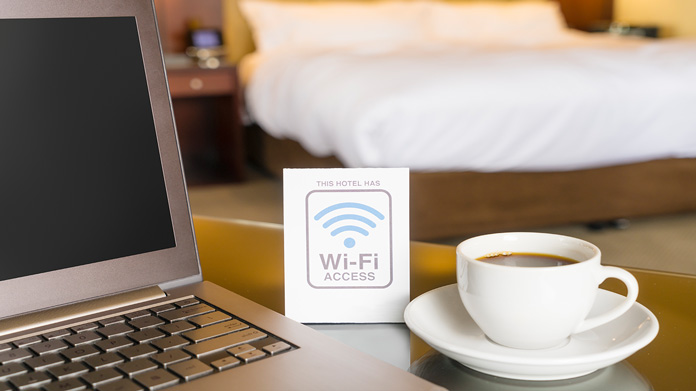
A hotel can be any commercial building that charges money to travelers who need a room to stay. This can be anything from a standard multi-unit building to luxury stand-alone villas. As airline prices drop and the economy improves, corporate and personal travel continues to increase. The hotel industry generated just under $200 billion in revenue in 2016.
Our guide is in 3 parts:
Regardless of whether you’re opening a boutique hotel with five rooms or a mega hotel with hundreds of rooms, the costs to get started can be substantial. Between the land, the equipment, the furniture, and the licensing requirements, owners typically need a lot of capital to get started. Even a Super 8 hotel can cost up to $4.5 million to open. However, there is no industry average because the costs range widely based on the value of the property and the building materials used.
Ongoing expenses include facility upkeep, employee wages/salaries, advertising, insurance, replacing beds and furniture, office supplies, utilities and high-speed internet. Plan to spend at least a couple hundred dollars per month on replacing room mattresses, shower curtains, carpet, dressers, etc. The exact figure will hinge on the number of rooms your facility has and the age of the beds, furniture etc. Low-level employees who check in guests and clean the hotel will earn between $8 and $15 per hour. A hotel manager, marketing professional, and accountant will make between $30,000 and $60,000 per year. Budget at least a couple hundred dollars per month for facility upkeep. A maintenance person will earn between $12 and $25 an hour. Budget $50 to $100 per month for office supplies. Utilities including high-speed internet for the entire hotel will likely cost $150 to $300 or more per month. Dedicate at least $200 to $500 or more for monthly advertising. The exact cost of marketing hinges on the economics of your local market.
The target market can be anyone looking for a room for the night — whether a traveler is coming from across the world or across the street. However, all hotel owners will develop their own target demographic based on their amenities and location. Luxury travelers will not want to stay at the same hotel as a mid-level executive who is in town for a conference.
Hotel owners make money based on the profits of the hotel, meaning they’ll need to work out how much they want to make a year before setting their room rates to account for their salary. They usually pay themselves a standard amount per year and then invest the rest of their profits into the property.
The average cost for a hotel room is $137 a night, but there are some luxury hotel suites that cost $80,000 a night to stay. Hotel owners need to be careful about how they’re pricing their rooms based on demand. A holiday weekend can potentially kick up prices by triple their normal cost or more, so it’s important to set prices based on what people will pay.
A hotel has enormous profit-making potential. Some hotels make six figures per year. Others rake in millions per year. Unfortunately, some hotels fail to make a profit. The level of profitability depends on a number of different factors. Grow the business, expand to a second location and you will likely exceed the six figure mark. Continue to add locations and your hotel business will approach the million dollar profit range.
Successful hotel owners can consider franchising their business or opening up more locations in an area. They can even give educational courses to other hopeful hotel owners about how to succeed in a competitive industry.
Hotel owners may have to deal with a range of responsibilities in their day-to-day job, including the following tasks:
Hiring/scheduling/managing staff
Negotiating room rates for different days
Completing paperwork and administration duties
Handling financial obligations/investors
Completing ongoing education regarding the hotel market
People who have experience in the hospitality industry will have a head-start because they will have already seen many of the hiccups that come with running a hotel or a restaurant. Those with an MBA or formal hospitality training can also use their education to help them make smarter, more cost-effective decisions.
There has been a lot of talk about how the hotel business is being hurt by websites like Airbnb. The amenities and service tend to be more intimate at private homes or property, which can be appealing for people who who are sick of the corporate structure or lack of empathy on the part of hotel employees. However, the growth potential for hotels can still be substantial for a number of reason.
There are still plenty of travelers out there who would prefer to stay at a hotel, especially considering that there is a certain level of hesitation for many people when it comes to staying with strangers. In addition, websites like Airbnb are likely to become more heavily regulated in the next few years which may make it more difficult for travelers to take advantage of the lower rates.
The best thing an owner can do is narrow down their demographic so they can start catering to them right away. Ideally, you’ll identify a need that isn’t being served in the area you wish to open. Maybe business travelers are being catered to by chain hotels, but tourists are looking for something a little more personalized. Perhaps you open up a themed hotel that focuses on a particular niche in your area (e.g., a hotel designed specifically for scuba diving tourists.)
You should also invest in your staff from the very beginning. The leaders and even the everyday staff members will be your eyes and ears when you can’t be there. Giving them the respect and the compensation they deserve can go a long way to boosting morale and keeping customers happy. Hotel owners should also look at what their competition is doing in an effort to attract more people. Just because a hotel is different from the most popular Airbnb destinations, doesn’t mean a hotel owner can’t offer some of the amenities that make the Airbnb destinations so heavily desired.
You will need to build a team immediately to do everything from managing the staff to cleaning the rooms. Find people who can use discretion on the job so guests feel like they’re in good hands. The more layers of bureaucracy you build into your hotel, the harder it will be for customers to get an answer to even the simplest of problems.
Business Evaluation & Strategy Tool
We'll walk you through the four pillars every business needs: Points of Leverage, Marketing Strategy, Financial Model, and Personal Compatibility. At the end you'll see a personalized report and your action plan below will be tailored to your answers.
Every viable business has natural advantages. Below are common leverage points across four categories. Pick the ones that apply to your Hotel business. We've pre-suggested a few based on your idea — review and adjust.
Without a way to connect with customers, even great businesses fail. Pick the channels you plan to use to reach your customers.
Enter your monthly baseline costs — the minimum overhead to keep the business running. Then we'll calculate how many sales per month you need to break even.
A business that doesn't fit your life will fail no matter how good the numbers look. Tell us how this business fits you.
Complete the four pillars and your personalized summary will appear here.
Nine concrete steps to take you from idea to open business, grouped into 30-day phases. Complete the planner above and we'll highlight what's most important for your situation.
An LLC keeps your personal assets separate from business debts and lawsuits — the most common reason small business owners choose this structure. Sole proprietorships and partnerships do not provide this protection.
Apply for your free Employer Identification Number through the IRS, then register for any state or local taxes that apply to your business (sales tax, franchise tax).
A dedicated business account is required to maintain personal asset protection. Mixing personal and business finances ('piercing the corporate veil') can void your LLC's liability shield.
Recording expenses and income from day one makes tax filing easier and lets you see when the business is actually profitable. Use software (QuickBooks, Wave) or a part-time bookkeeper.
State and local requirements vary widely. Brick-and-mortar businesses typically need a Certificate of Occupancy; service businesses may need specific professional licensing; food businesses need health permits.
General Liability Insurance is the most common starting point. If you'll have employees, most states require Workers' Compensation. Specific industries need additional coverage (product liability, professional liability, etc.).
Your brand is how customers perceive and remember you. A clear name, logo, and visual identity make every later marketing decision easier and protect you legally as you grow.
Every legitimate business needs a website. Social media pages are not a substitute — you don't own the platform. Modern website builders mean you can launch a clean site in a weekend without a developer.
A dedicated business number keeps your personal life private, makes the business look legitimate, and lets you route calls professionally. Cloud phone services start under $20/month.
Starting a Hotel business typically costs $1,000,000 to $10,000,000. It is considered a very high capital-intensity business.
A Hotel business runs roughly a 3% net profit margin, and most owners reach break-even in about 4 to 12 months.
You can usually launch a Hotel business in about 12 to 36 weeks, and it is commonly run full time.
A Hotel business is generally an intermediate-skill business to start, with rising demand. TRUiC rates it 34 out of 100 on our Idea Score.
Most Hotel businesses register as an LLC or other legal entity and obtain a general business license. Depending on your state and city you may also need industry-specific permits, sales tax registration, and zoning or health approvals, so check your local requirements before you launch.