Startup cost
$5k–$15k
TRUiC Business Ideas
Decision Snapshot
Idea Score
69
Startup cost
$5k–$15k
Profit margin
25%
Break-even
4 mo–12 mo
Time to launch
12 wk–36 wk
Demand trend
Stable
5-yr failure rate
—
Capital intensity
Medium
Time commitment
Full time
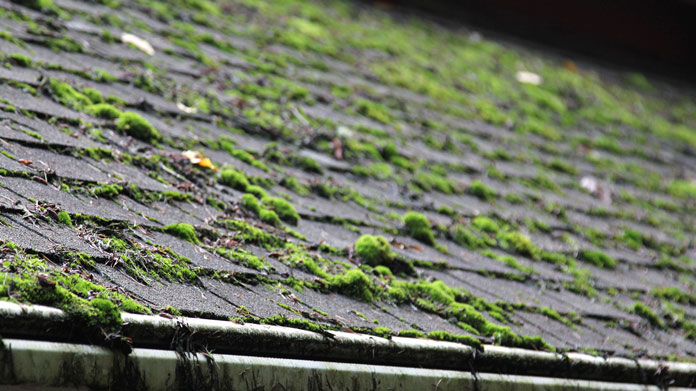
Many roof cleaning businesses serve a variety of clients. Serving large companies, small communities and individual homes, roof cleaning businesses conduct in-depth roof cleans to remove dirt, impurities, leaves, branches, stains and other materials. Roof cleaning businesses also clean drains, exterior walls and chimney exteriors. In some cases, a roof cleaning business may inform the building’s owner of damages, shingle weaknesses and weakened exteriors.
You may also be interested in additional side hustle ideas.
Our guide is in 3 parts:
Fortunately, startup costs are low. A pressure cleaner can be purchased for as little as $2,000. Meanwhile, cleaning supplies can cost as little as $300 per month. While these costs are small, you’ll still need liability insurance. Having $1 to $2 million in liability insurance, after your company grows, is reasonable. This insurance is incredibly important, and it’ll defend your business in the event of an accident.
You’ll need to maintain your high-pressure power washer. Similarly, you’ll need to keep all cleaning products fully stocked. Gas will be needed, as well as a small shop for operations. Typically, a small shop’s rent sits at around $3,200 per month—not accounting for utility costs. Any additional workers will be paid between $10 and $20, depending on their experience.
The best clients are residential homeowners. A lot of homeowners contact roof cleaners who cleaned the roofs of their neighbors. If one household gets a roof cleaning, you can expect nearby homes to purchase services too. There’s a high degree of “competing with the Jones’,” so to speak, giving roof cleaning busines,ses quite a lot of service in a single area. Often, this snowball effect can be prioritized during services. Aside from residential homeowners, apartment complexes are lucrative clients. Because multiple buildings need to be cleaned, they’re often great profit sources. These locations are also great networking opportunities, giving a roof cleaning business plenty of future clients to work with.
A roof cleaning business makes money by cleaning roofs. Cleaning, itself, can be an in-depth process. Normally, a location needs to be bleached, stripped of algae, and cleared of tree debris. In some cases, money can be gained by removing moss and lichen. The better a roof cleaning business can reduce algae-stained surfaces, the better.
On average, roof cleaning businesses charge about $1,500 for a single cleaning. Larger roofs, however, can be charged up to $2,800. Smaller services, like in-depth gutter cleans, can carry extra charges.
A well-off roofing business can make as much as $120,000 by its third year. The actual owner can make about $44,000 after his or her first successful year. Because roof cleaning businesses don’t require complicated billing, merchant accounts, or collections, hashing out expenses and profits is relatively easy.
Offer discounts and special services. Because homeowners don’t rely on roof cleaning services often, they’ll gravitate to any company which generates services based upon great deals. To earn bigger profits than your rivals, consider building a custom pressure cleaning rig. These rigs cost less, and they can clean roofs in less time while using half the chemicals of a conventional rig.
A roof cleaning business removes rooftop impurities. Normally, this includes using a pressure cleaner to remove algae. Roof cleaners can also use light bleach solutions to delicately lift difficult stains. Because typical roof cleanings last about three years, a roof cleaning business may not return to the same area for quite some time. Roof cleaning businesses also seal roofs with algae inhibitors, preventative solutions and shingle protectant. Often, this extends to using zinc strips to inhibit mold growth.
From an administrative end, a roof cleaning business administrator must constantly upgrade their services to ensure higher profits. They additionally need to conduct financial analysis, study markets, pay workers, restock cleaning materials and strike deals with clients.
Understanding home price evaluations helps. A clean roof can greatly raise a home’s price. By understanding this, a roof cleaning business can target homes and offer services based upon home evaluations. Other skills include basic roof cleaning, which includes the removal of limestone, moss and algae. Roof maintenance is another solid skill to have. The average roof costs about $15,000 to replace, which should be a price comparison point for most homeowners considering an in-depth clean.
Business ethics are also important. A lot of roof cleaners don’t have good reputations. For this reason, having a solid service plan helps. A deep understanding of cleaning equipment helps as well. You’ll need to understand how to use a pressure washer, detergent, and bleach. It is very important to practice safe cleaning approaches.
A roof cleaning business can grow quite a bit. That said, local cleaning businesses will likely have to compete against other providers. A cleaning business’s growth potential can be attributed to its credibility, benefits, qualified leads and special deals. Additionally, you’ll need to have a solid insurance plan. Communities don’t hire companies who aren’t properly insured, and they’ll avoid any company without a solid track record.
Start out with few tools. Really, all you need is a pressure washer, detergent, and bleach. Keep the upfront costs low, and understand the various pitfalls roof cleaning businesses experience. Don’t hose a roof with too much pressure—as roofs are fragile and flimsy. Use a pressure washer with under 1,500 psi.
While you can run a roof cleaning business single handedly at first, you’ll need to take on an extra two to three workers within the first three years. Extra employees are necessary to handle large projects, and they can ensure a properly scaled business.
Business Evaluation & Strategy Tool
We'll walk you through the four pillars every business needs: Points of Leverage, Marketing Strategy, Financial Model, and Personal Compatibility. At the end you'll see a personalized report and your action plan below will be tailored to your answers.
Every viable business has natural advantages. Below are common leverage points across four categories. Pick the ones that apply to your Roof Cleaning Service business. We've pre-suggested a few based on your idea — review and adjust.
Without a way to connect with customers, even great businesses fail. Pick the channels you plan to use to reach your customers.
Enter your monthly baseline costs — the minimum overhead to keep the business running. Then we'll calculate how many sales per month you need to break even.
A business that doesn't fit your life will fail no matter how good the numbers look. Tell us how this business fits you.
Complete the four pillars and your personalized summary will appear here.
Nine concrete steps to take you from idea to open business, grouped into 30-day phases. Complete the planner above and we'll highlight what's most important for your situation.
An LLC keeps your personal assets separate from business debts and lawsuits — the most common reason small business owners choose this structure. Sole proprietorships and partnerships do not provide this protection.
Apply for your free Employer Identification Number through the IRS, then register for any state or local taxes that apply to your business (sales tax, franchise tax).
A dedicated business account is required to maintain personal asset protection. Mixing personal and business finances ('piercing the corporate veil') can void your LLC's liability shield.
Recording expenses and income from day one makes tax filing easier and lets you see when the business is actually profitable. Use software (QuickBooks, Wave) or a part-time bookkeeper.
State and local requirements vary widely. Brick-and-mortar businesses typically need a Certificate of Occupancy; service businesses may need specific professional licensing; food businesses need health permits.
General Liability Insurance is the most common starting point. If you'll have employees, most states require Workers' Compensation. Specific industries need additional coverage (product liability, professional liability, etc.).
Your brand is how customers perceive and remember you. A clear name, logo, and visual identity make every later marketing decision easier and protect you legally as you grow.
Every legitimate business needs a website. Social media pages are not a substitute — you don't own the platform. Modern website builders mean you can launch a clean site in a weekend without a developer.
A dedicated business number keeps your personal life private, makes the business look legitimate, and lets you route calls professionally. Cloud phone services start under $20/month.
Starting a Roof Cleaning Service business typically costs $5,000 to $15,000. It is considered a medium capital-intensity business.
A Roof Cleaning Service business runs roughly a 25% net profit margin, and most owners reach break-even in about 4 to 12 months.
You can usually launch a Roof Cleaning Service business in about 12 to 36 weeks, and it is commonly run full time.
A Roof Cleaning Service business is generally an intermediate-skill business to start, with stable demand. TRUiC rates it 69 out of 100 on our Idea Score.
Most Roof Cleaning Service businesses register as an LLC or other legal entity and obtain a general business license. Depending on your state and city you may also need industry-specific permits, sales tax registration, and zoning or health approvals, so check your local requirements before you launch.