Startup cost
$50k–$500k
TRUiC Business Ideas
Decision Snapshot
Idea Score
49
Startup cost
$50k–$500k
Profit margin
25%
Break-even
4 mo–12 mo
Time to launch
12 wk–36 wk
Demand trend
Stable
5-yr failure rate
—
Capital intensity
Very high
Time commitment
Full time
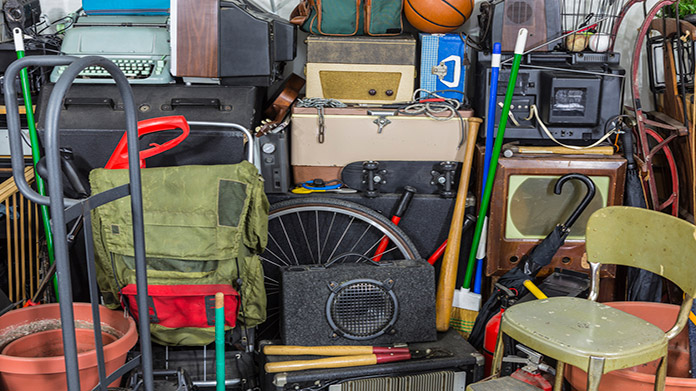
Whenever unwanted belongings cannot be thrown out in the normal trash, a junk removal service can help. People and businesses need help hauling away broken furniture, clearing out an attic full of trash, or even emptying an estate or foreclosure. The junk removal industry is competitive but growing, and you can start from scratch or buy into a franchise. If you’re up for the challenge, owning a junk removal business can be a profitable and rewarding adventure that involves not only hauling heavy garbage but also scouting local donation and recycling solutions.
Our guide is in 3 parts:
At a minimum, you can start up a junk removal business with these resources:
A truck or large van
Basic tools and cleaning supplies
Location for sorting
The first vehicle represents the biggest hurdle. You can use your own truck, a new or used vehicle, or a full commercial tractor-trailer. Other options include vehicle decals and logo wear to brand your business and project professionalism to customers.
At a minimum, you can start up a junk removal business with these resources:
A truck or large van
Basic tools and cleaning supplies
Location for sorting
The first vehicle represents the biggest hurdle. You can use your own truck, a new or used vehicle, or a full commercial tractor-trailer. Other options include vehicle decals and logo wear to brand your business and project professionalism to customers.
Individuals and businesses are both frequent junk removal customers. Real estate and storage facilities are two industries with a particular need. Residential customers often include empty nesters and retirees looking to declutter.
Pricing typically centers around the volume of garbage removed, measured in cubic feet inside the truck. Other fees might apply to especially heavy items, certain dangerous materials, cleanup, and rush appointments.
For a single junk removal visit, homeowners most often spend between $139 to $373, according to HomeAdvisor. This often covers a load of junk consisting of a few pieces of furniture or appliances, or a small room full of garbage. With pricing based on junk volume, it can be more or less depending on the customer’s needs.
Junk removal business owners need accurate knowledge and data of all overhead, including:
Employee wages
Insurance (injury, liability, business auto, and more)
Landfill fees and other disposal costs
Fuel costs and auto payments
Office, marketing, and other expenses
In some cases, the junk removal business can benefit financially during the disposal process, such as by selling scrap metal or receiving tax deductions for donations.
The largest national franchisors offer “no hidden fees” pricing. The crew gives an estimate upon arriving at the site, and the customer decides whether to proceed.
More information about pricing models for junk removal businesses:
HomeAdvisor.com – How Much Does Junk & Trash Removal Service Cost?
JunkTrashRemoval.com – Junk Removal Pricing & Cost | How Much to Charge?
Each vehicle can average about one typical residential job per hour. Some jobs will take a long time, but those jobs will also bring in more revenue. Many junk removal businesses have a minimum charge of around $125 to make sure that expenses are covered for one hour of work. The size and density of your service area greatly affect driving time, which in turn affects your efficiency.
With enough demand and fast workers, a junk truck can bring in $500 to $1,500 per day, or about $500 for each truckload of junk. Many businesses start with one truck. Investing in a larger fleet greatly affects profitability.
Junk removal businesses can scale easily thanks to branding and fleet size increases. Add trucks with the company logo and employees to drive them, and the owner can scale as much as the market demands.
Completing more jobs in less time is the best and simplest way to maximize profits for your junk removal business. Strategizing your drivers’ routes, training employees to work quickly, and growing the fleet all help with booking more customers each day.
Scheduling pickups and finding the right drop-off points are the two major challenges for a junk removal business owner. Customers don’t want to be kept waiting for appointments, so punctuality is crucial. People also expect you to dispose of everything in relatively eco-friendly ways. The actual junk removal simply requires appropriate strength and a fleet of trucks.
Successful junk removal business owners typically exemplify these traits:
Knowledge of business planning and management, including the ability to assess overhead costs and weigh liability issues while determining a realistic pricing model that can compete in the local market.
The communication skills to work with a team of junk haulers who will be doing the bulk of the labor, which is sometimes extremely strenuous; the owner-manager needs to train and motivate these employees to provide excellent service and always be reliable.
Customer service skills are always necessary, as a junk removal business needs to build a strong reputation in the community, earn positive online reviews, and stand out from the crowd.
Junk removal businesses can easily scale up with more trucks and employees. Franchise owners are generally limited to service areas, so you may need to purchase additional areas. On that note, you could potentially franchise your own junk removal startup in the long run.
Business Evaluation & Strategy Tool
We'll walk you through the four pillars every business needs: Points of Leverage, Marketing Strategy, Financial Model, and Personal Compatibility. At the end you'll see a personalized report and your action plan below will be tailored to your answers.
Every viable business has natural advantages. Below are common leverage points across four categories. Pick the ones that apply to your Junk Removal business. We've pre-suggested a few based on your idea — review and adjust.
Without a way to connect with customers, even great businesses fail. Pick the channels you plan to use to reach your customers.
Enter your monthly baseline costs — the minimum overhead to keep the business running. Then we'll calculate how many sales per month you need to break even.
A business that doesn't fit your life will fail no matter how good the numbers look. Tell us how this business fits you.
Complete the four pillars and your personalized summary will appear here.
Nine concrete steps to take you from idea to open business, grouped into 30-day phases. Complete the planner above and we'll highlight what's most important for your situation.
An LLC keeps your personal assets separate from business debts and lawsuits — the most common reason small business owners choose this structure. Sole proprietorships and partnerships do not provide this protection.
Apply for your free Employer Identification Number through the IRS, then register for any state or local taxes that apply to your business (sales tax, franchise tax).
A dedicated business account is required to maintain personal asset protection. Mixing personal and business finances ('piercing the corporate veil') can void your LLC's liability shield.
Recording expenses and income from day one makes tax filing easier and lets you see when the business is actually profitable. Use software (QuickBooks, Wave) or a part-time bookkeeper.
State and local requirements vary widely. Brick-and-mortar businesses typically need a Certificate of Occupancy; service businesses may need specific professional licensing; food businesses need health permits.
General Liability Insurance is the most common starting point. If you'll have employees, most states require Workers' Compensation. Specific industries need additional coverage (product liability, professional liability, etc.).
Your brand is how customers perceive and remember you. A clear name, logo, and visual identity make every later marketing decision easier and protect you legally as you grow.
Every legitimate business needs a website. Social media pages are not a substitute — you don't own the platform. Modern website builders mean you can launch a clean site in a weekend without a developer.
A dedicated business number keeps your personal life private, makes the business look legitimate, and lets you route calls professionally. Cloud phone services start under $20/month.
Starting a Junk Removal business typically costs $50,000 to $500,000. It is considered a very high capital-intensity business.
A Junk Removal business runs roughly a 25% net profit margin, and most owners reach break-even in about 4 to 12 months.
You can usually launch a Junk Removal business in about 12 to 36 weeks, and it is commonly run full time.
A Junk Removal business is generally an intermediate-skill business to start, with stable demand. TRUiC rates it 49 out of 100 on our Idea Score.
Most Junk Removal businesses register as an LLC or other legal entity and obtain a general business license. Depending on your state and city you may also need industry-specific permits, sales tax registration, and zoning or health approvals, so check your local requirements before you launch.