Startup cost
$3k
TRUiC Business Ideas
Decision Snapshot
Idea Score
52
Startup cost
$3k
Profit margin
4%
Break-even
4 mo–12 mo
Time to launch
2 wk–8 wk
Demand trend
Stable
5-yr failure rate
—
Capital intensity
Low
Time commitment
Seasonal
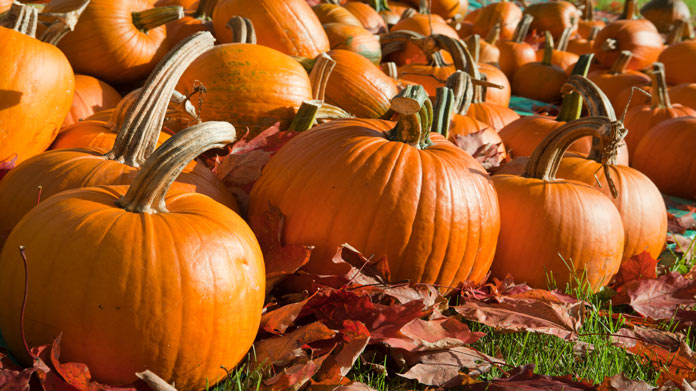
Also called a pumpkin patch, a pumpkin farm is a place to harvest pumpkins. Pumpkins are priced by weight, and a lot of pumpkin farms sell other seasonal products like corn, apples, and Halloween decorations. Other pumpkin patches offer entertainment, like corn mazes and hayrides.
Our guide is in 3 parts:
You’ll need to pay about $300 per acre, for harvesting costs. As for starting capital, expect to pay as much as $3,000 per acre for maintenance, harvesting, and growth. If you’re starting a small patch, however, the costs will be much lower.
You’ll need to spend about $10 for a bag of pumpkin seeds. Aside from this, your ongoing expenses aren’t too critical. Your land’s rent is determined by its size. Expect to pay about $200 per month for equipment servicing, water, and other materials.
A pumpkin farm’s best customers are seasonal. As a pumpkin farm owner, you’ll need to focus on Halloween pumpkin shoppers. Other valuable customers include locals who make food with pumpkins. All in all, most pumpkin farm customers are the same. That said, customers should be careful around a farm’s pumpkins. While pumpkins are pretty durable, customers can accidentally ruin them. Children and animals require extra attention.
Pumpkin farms make money by selling pumpkins. Normally, pumpkins are sold by size or weight. Some pumpkin farms may offer hayrides or corn mazes for entertainment. Others may sell pumpkin carving stencils and tools. Get creative! Most pumpkin patches are similar, so those offering unique products can become local favorites.
A few pumpkin farms may want to sell other grown goods. Corn, squash, and other vegetables are great to sell. They can be grown easily, and can even be grown in the same plot as the pumpkins.
Customers can be charged about $5 for a soccer-ball-sized pumpkin. You can sell small, hand-sized pumpkins for as little as $1. Charge customers about $10 per person for hayrides, and use competitive prices when selling other products.
The average, small pumpkin farm can make about $30,000 per year. Profit varies greatly, however, as all farms are different sizes. Farm tourism is a multi-million-dollar industry in the United States, so location matters a lot.
Differentiate your patch as soon as possible. Around Halloween, a ton of pumpkin patches will pop up. Offer hayrides or other services, and offer competitive prices. Your location, too, should be thought out. Sell to families, and make your farm visible to schools.
Pumpkin farm owners have several responsibilities. First, they need to plant pumpkin seeds. Pumpkin patch owners need to determine sunny, fertile areas. They also need to take care of drainage and watering. Soil needs to be tended to, and weeds need to be removed.
The patch needs to be fertilized, and disease needs to be warded off. Beetles, aphids, and bugs need to be protected against. Year-round, a pumpkin patch owner focuses on keeping their grounds safe. During autumn, they focus on selling pumpkins to people. Pumpkin farm owners must also pay hired hands, market their products, and reach out to the community.
To run a successful pumpkin farm, you’ll need to make sure your crops are properly maintained. Learn to grow, maintain, and harvest pumpkins before starting a farm business. An important part of crop maintenance is keeping away the various bugs and pests that can ruin your pumpkins, so you will need to know how to successfully keep them away from your crops . A pumpkin farm owner will need to understand seasonal growing cycles, harvesting techniques, and mildew prevention.
On the production, marketing, and management end of things, a pumpkin farm owner needs to understand the ins and outs of local marketing. A lot of a pumpkin farm’s business comes from local buyers, so having a good handle on the local economy can help, too. Pumpkin farm owners should be able to manage a few workers, talk with customers, and make a welcoming environment.
Most pumpkin farms are small. Some, in fact, are only seasonal. If your pumpkin farm has a long-standing history, however, it can get assistance from supporting groups. A lot of resources are available, and a successful pumpkin patch can easily become a local attraction.
To become a preferred pumpkin farm, however, you’ll need to connect with your area’s farm association. Farmer’s market associations, market cooperatives, and food associations are your friend, as they can help your business succeed and expand. A very successful pumpkin farm can even sell pumpkins to local grocers. While rare, some pumpkin patches may expand to providing pumpkins to large-scale produce providers.
Integrate with local schools and institutes. You should enter the market from a fun perspective. For this reason, you should connect with younger audiences. Keep track of your number of customers, and scale up based upon profit alone. Also, learn to gauge your farm’s average pumpkin yield, annually. You should compare this yield to your area’s other providers. By tracking these metrics, you’ll be able to price your pumpkins better. Record all sales, and use any data to plan for future years.
You should build your team as soon as possible. Your pumpkin patch should have between two and three extra hands from the get-go. Fortunately, it doesn’t take much to run a pumpkin farm—labor-wise. If you have a larger farm, however, you’ll need a team of three to five before completing an entire growth season.
Business Evaluation & Strategy Tool
We'll walk you through the four pillars every business needs: Points of Leverage, Marketing Strategy, Financial Model, and Personal Compatibility. At the end you'll see a personalized report and your action plan below will be tailored to your answers.
Every viable business has natural advantages. Below are common leverage points across four categories. Pick the ones that apply to your Pumpkin Farm business. We've pre-suggested a few based on your idea — review and adjust.
Without a way to connect with customers, even great businesses fail. Pick the channels you plan to use to reach your customers.
Enter your monthly baseline costs — the minimum overhead to keep the business running. Then we'll calculate how many sales per month you need to break even.
A business that doesn't fit your life will fail no matter how good the numbers look. Tell us how this business fits you.
Complete the four pillars and your personalized summary will appear here.
Nine concrete steps to take you from idea to open business, grouped into 30-day phases. Complete the planner above and we'll highlight what's most important for your situation.
An LLC keeps your personal assets separate from business debts and lawsuits — the most common reason small business owners choose this structure. Sole proprietorships and partnerships do not provide this protection.
Apply for your free Employer Identification Number through the IRS, then register for any state or local taxes that apply to your business (sales tax, franchise tax).
A dedicated business account is required to maintain personal asset protection. Mixing personal and business finances ('piercing the corporate veil') can void your LLC's liability shield.
Recording expenses and income from day one makes tax filing easier and lets you see when the business is actually profitable. Use software (QuickBooks, Wave) or a part-time bookkeeper.
State and local requirements vary widely. Brick-and-mortar businesses typically need a Certificate of Occupancy; service businesses may need specific professional licensing; food businesses need health permits.
General Liability Insurance is the most common starting point. If you'll have employees, most states require Workers' Compensation. Specific industries need additional coverage (product liability, professional liability, etc.).
Your brand is how customers perceive and remember you. A clear name, logo, and visual identity make every later marketing decision easier and protect you legally as you grow.
Every legitimate business needs a website. Social media pages are not a substitute — you don't own the platform. Modern website builders mean you can launch a clean site in a weekend without a developer.
A dedicated business number keeps your personal life private, makes the business look legitimate, and lets you route calls professionally. Cloud phone services start under $20/month.
Starting a Pumpkin Farm business typically costs $3,000. It is considered a low capital-intensity business.
A Pumpkin Farm business runs roughly a 4% net profit margin, and most owners reach break-even in about 4 to 12 months.
You can usually launch a Pumpkin Farm business in about 2 to 8 weeks, and it is commonly run seasonal.
A Pumpkin Farm business is generally an intermediate-skill business to start, with stable demand. TRUiC rates it 52 out of 100 on our Idea Score.
Most Pumpkin Farm businesses register as an LLC or other legal entity and obtain a general business license. Depending on your state and city you may also need industry-specific permits, sales tax registration, and zoning or health approvals, so check your local requirements before you launch.