Startup cost
$1.0k–$5k
TRUiC Business Ideas
Decision Snapshot
Idea Score
48
Startup cost
$1.0k–$5k
Profit margin
4%
Break-even
4 mo–12 mo
Time to launch
12 wk–36 wk
Demand trend
Stable
5-yr failure rate
—
Capital intensity
Low
Time commitment
Seasonal
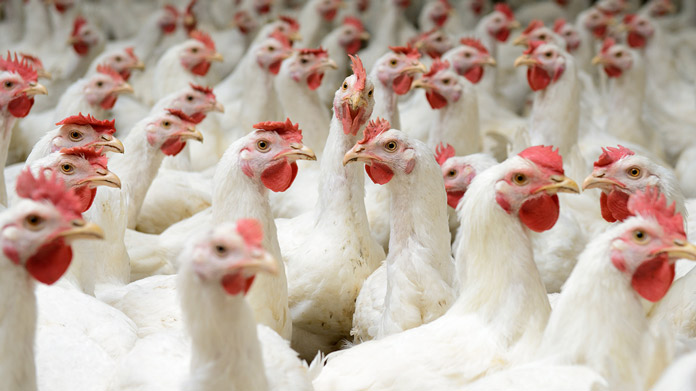
Chicken rental is a new business which looks to give non-farmers a foray into farming. The chickens will produce eggs for the consumer and the business owner makes sure the chickens are sent with all the necessary supplies to keep them healthy and safe.
You may also be interested in additional unique business ideas.
Our guide is in 3 parts:
Much of the costs incurred will come from the initial start up. You will need to purchase:
Hatched chicks- depending on the types and if sexed – a 100 count will cost between $150-$250.
Materials for building coops and enclosures – $500
Chicken food, vitamins, feed, and watering troughs – $350
Incubators and heat lamps (for winter storage) – $400
Much of the ongoing expenses of a chicken renting business will come from maintenance and upkeep. You will be replacing:
Chickens who are too old or no longer produce eggs
Rental coops that have been damaged or are worn from age
Feed and vitamin supplements for livestock
Customers who desire more control over the quality of food they eat or who are of the more adventurous type will be ideal for chicken rentals. Additionally, many families explore chicken renting as a food source and as a teaching/learning opportunity for themselves and their children. The temporary nature of chicken renting is also appealing to those who might not want to commit to the long-term care of chickens.
Chicken rental businesses create revenue from the customers paying to keep rental chickens in their backyards. Your business can also rent out coops for an additional fee.
Chicken rentals usually consist of two chickens and the necessary supplies to care for and maintain the birds. Average costs for a two-chicken set-up range between $250-$500, depending on the type of chickens and the amount/quality of the supplies.
This figure will fluctuate, depending on the number of rentals and the period of time they are renting. If an average rental cost is $350 for 6 months and you have 20 rentals, that equates to $7,000 gross.
Consider other livestock for rental, such as ducks, goats, or sheep. More and more backyard farmers are looking to try small-scale farming to see if it’s viable for them. By providing rentals and expert advice, they are able to try their hand with less danger of failure.
This is a seasonal business, so demand for chicken rentals will fluctuate throughout the year. This will also depend on your local climate.
In the fall:
Collecting chickens and supplies for winter storage
Re-stocking supplies for winter care of chickens
Contacting customers who decide to keep chickens through the winter to give details about cold weather care techniques
In the spring:
Replying to customer requests for chicken rentals
Delivering birds and supplies to customers
Incubating, hatching, and rearing chicks to egg-laying adults
Contacting supply vendors for re-stocks of customer supplies
Having experience in farming or raising livestock will prepare you for this type of business. Construction experience, used for building the coops and enclosures, is also a positive. Additionally, being able to communicate with potential customers, both in writing and orally, will serve you well.
Renting chickens is a fairly new idea, but is quickly gaining traction and appeal. Customers who want more control over the quality of eggs they eat and have a desire to try farming on a small scale will be interested in the business/rentals.
Make sure you have experience in raising and caring for livestock, particularly chickens or other foul. There will be a mortality rate from predators, weather, and overall health. You must manage these losses as best you can for continued success. You should also:
Research your area to see if it is financially viable. If no one in your area has room or desire to raise backyard chickens, you may want to reconsider.
Contact local farmer’s markets and farm-to-table groups to advertise your services.
Connect with local food communities and small-scale DIY urban/backyard farmers, as these are often where the majority of your customers will come from.
More than likely, you will have a small operation to start with, unless you are already a farmer looking to shift the focus of your business. Care and maintenance isn’t too demanding and can be handled by two or three people easily. Seasonal employment may be necessary, during the spring and fall, when chickens and supplies are being shipped out or returned.
Business Evaluation & Strategy Tool
We'll walk you through the four pillars every business needs: Points of Leverage, Marketing Strategy, Financial Model, and Personal Compatibility. At the end you'll see a personalized report and your action plan below will be tailored to your answers.
Every viable business has natural advantages. Below are common leverage points across four categories. Pick the ones that apply to your Chicken Renting business. We've pre-suggested a few based on your idea — review and adjust.
Without a way to connect with customers, even great businesses fail. Pick the channels you plan to use to reach your customers.
Enter your monthly baseline costs — the minimum overhead to keep the business running. Then we'll calculate how many sales per month you need to break even.
A business that doesn't fit your life will fail no matter how good the numbers look. Tell us how this business fits you.
Complete the four pillars and your personalized summary will appear here.
Nine concrete steps to take you from idea to open business, grouped into 30-day phases. Complete the planner above and we'll highlight what's most important for your situation.
An LLC keeps your personal assets separate from business debts and lawsuits — the most common reason small business owners choose this structure. Sole proprietorships and partnerships do not provide this protection.
Apply for your free Employer Identification Number through the IRS, then register for any state or local taxes that apply to your business (sales tax, franchise tax).
A dedicated business account is required to maintain personal asset protection. Mixing personal and business finances ('piercing the corporate veil') can void your LLC's liability shield.
Recording expenses and income from day one makes tax filing easier and lets you see when the business is actually profitable. Use software (QuickBooks, Wave) or a part-time bookkeeper.
State and local requirements vary widely. Brick-and-mortar businesses typically need a Certificate of Occupancy; service businesses may need specific professional licensing; food businesses need health permits.
General Liability Insurance is the most common starting point. If you'll have employees, most states require Workers' Compensation. Specific industries need additional coverage (product liability, professional liability, etc.).
Your brand is how customers perceive and remember you. A clear name, logo, and visual identity make every later marketing decision easier and protect you legally as you grow.
Every legitimate business needs a website. Social media pages are not a substitute — you don't own the platform. Modern website builders mean you can launch a clean site in a weekend without a developer.
A dedicated business number keeps your personal life private, makes the business look legitimate, and lets you route calls professionally. Cloud phone services start under $20/month.
Starting a Chicken Renting business typically costs $1,000 to $5,000. It is considered a low capital-intensity business.
A Chicken Renting business runs roughly a 4% net profit margin, and most owners reach break-even in about 4 to 12 months.
You can usually launch a Chicken Renting business in about 12 to 36 weeks, and it is commonly run seasonal.
A Chicken Renting business is generally an intermediate-skill business to start, with stable demand. TRUiC rates it 48 out of 100 on our Idea Score.
Most Chicken Renting businesses register as an LLC or other legal entity and obtain a general business license. Depending on your state and city you may also need industry-specific permits, sales tax registration, and zoning or health approvals, so check your local requirements before you launch.