Startup cost
$2k–$15k
TRUiC Business Ideas
Decision Snapshot
Idea Score
48
Startup cost
$2k–$15k
Profit margin
4%
Break-even
4 mo–12 mo
Time to launch
12 wk–36 wk
Demand trend
Stable
5-yr failure rate
—
Capital intensity
Medium
Time commitment
Part time
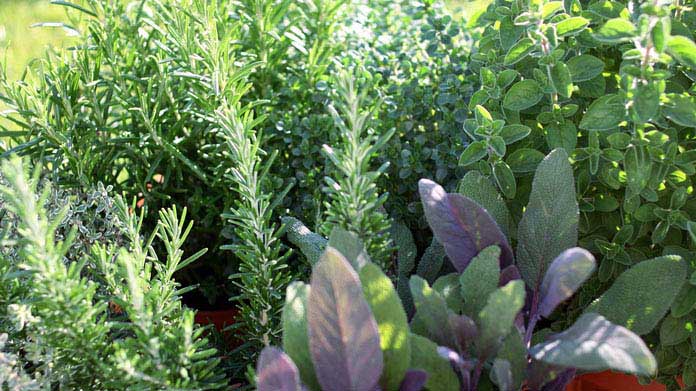
In 2016, for the first time, Americans spent more money eating out than on groceries. During the same year, we paid more than a staggering 110 billion dollars for food in this country. Whether we are cooking at home or going out to eat, it is clear we love to eat and we are willing to pay for it. Entrepreneurs who are interested in farming can earn a good living by supplying fresh culinary herbs to restaurants, retail stores, and directly to consumers.
Our guide is in 3 parts:
Another great reason to start an herb farm as a new business is that there is such a low economic barrier. Some herb farmers purchase a large plot of land and build greenhouses to extend their growing season, but it is not necessary. A few hundred dollars is all it takes to buy the tools and seeds to start small an herb farm. But for those who want to earn a full-time income from herb farming, the startup expenses are a little higher.
Potential herb farmers who already own a piece of land can avoid the biggest expense, land. For those who do not have a place to plant, it is almost always cheaper to rent than to purchase land. Many commercial landowners have vacant land and may rent it for a very low price. Herb farmers who are interested in having their products certified organic need to be a little more choosy when finding a place to plant.
After finding land, the next largest expense is purchasing supplies. Thankfully, very little in the way of equipment is necessary to grow herbs on a small scale successfully. A few hand tools, containers and perhaps a greenhouse or poly tunnel to extend the growing season. Herb farmers who do not have access to quality soil on their land, should invest in high-end potting soil, compost and fertilizer.
A few hundred dollars can buy all the seeds and cuttings for an entire growing season. Heirloom seeds often cost less than popular hybrid varieties, but they can take more time and care to grow. However, many people swear by the superior quality and taste of heirloom herbs and vegetables.
It is possible to start a profitable small-scale herb farm which doesn’t require purchasing or renting land for less than $2,000.
Ongoing expenses are all the consumables like seeds, fertilizer, potting soil, containers, compost, and utilities. Herb farms need to pay the cost for the land and labor every month, in addition to any packaging and transportation costs that may be involved.
There are three types of customers for herbs: restaurants, retailers, and consumers. Selling directly to consumers is the most profitable, but also provides the least steady income. Retailers typically offer the lowest per pound price, but are often willing to buy out an entire harvest. Restaurants usually offer a better price than a retailer, but less than a consumer.
Herb farms make money by selling culinary herbs to wholesalers, restaurants, and consumers.
The prices consumers are willing to pay depend on the location and the type of herb. Certain herbs do typically bring in more profit than others, such as basil, catnip, lavender, chives, and cilantro.
It is well within the reach of a herb farmer to earn over $30,000 per acre of land each year by choosing high-priced and popular herbs.
Owners of herb farms can greatly improve their profits by creating value-added products from their herbs. Dried herb pillows, herbal teas, soaps, and candles are all high profit items which are easy to make and sell well. Herb farms who are able to get certified as organic can charge more for every product they sell.
Some herb farms make extra money by hosting events such as weddings or vacations. However, this type of side business would require that your land be suitable as an event venue, and you would also need to have a small team to handle bookings, set-up, and other aspects of hosting parties.
Most herb farmers spend only a couple of hours a day taking care of their herb farm business. Since the majority of herb farms stagger the time they plant their herbs, there is never a lot of planting or harvesting to do at one time. This gives them more time to water, weed, and make sure their herbs are growing well. The majority of an owner’s time is spent on packaging herbs, marketing to find new customers, and selling the plants.
A green thumb helps for starting an herb farm, but it is not essential. Growing herbs is easier than most people think, and it something owners can easily learn. Perhaps more important than having farming skills is possessing marketing and general business knowledge. Owners who are interested in selling directly to consumers should have a passion for herbs which can inspire customers.
While herbs currently only make up between two to five percent of produce sales in grocery stores across the country, that number is growing. The public’s hunger for fresh and healthy food options has increased the demand for fresh herbs over dried herbs.
A potential herb farmer needs to know her market before doing anything else. They should find out the price people are willing to pay for certain herbs to determine if the local market makes herb farming worthwhile in the first place. New herb farmers should check out local farmers’ markets to see if there are any spare booths available if they want to selling directly to the public. They can speak with owners of local supermarkets and restaurants to ask they are interested in buying herbs from a new supplier.
You may want to hire help early on for selling or cultivating your herbs. It is difficult to manage all of the jobs on a large farm alone, so a part-time helper can allow you to focus on the business aspects of the farm. Many farmers hire drivers to deliver herbs to their commercial customers. Most of these jobs pay at, or slightly above, minimum wage.
Business Evaluation & Strategy Tool
We'll walk you through the four pillars every business needs: Points of Leverage, Marketing Strategy, Financial Model, and Personal Compatibility. At the end you'll see a personalized report and your action plan below will be tailored to your answers.
Every viable business has natural advantages. Below are common leverage points across four categories. Pick the ones that apply to your Herb Farm business. We've pre-suggested a few based on your idea — review and adjust.
Without a way to connect with customers, even great businesses fail. Pick the channels you plan to use to reach your customers.
Enter your monthly baseline costs — the minimum overhead to keep the business running. Then we'll calculate how many sales per month you need to break even.
A business that doesn't fit your life will fail no matter how good the numbers look. Tell us how this business fits you.
Complete the four pillars and your personalized summary will appear here.
Nine concrete steps to take you from idea to open business, grouped into 30-day phases. Complete the planner above and we'll highlight what's most important for your situation.
An LLC keeps your personal assets separate from business debts and lawsuits — the most common reason small business owners choose this structure. Sole proprietorships and partnerships do not provide this protection.
Apply for your free Employer Identification Number through the IRS, then register for any state or local taxes that apply to your business (sales tax, franchise tax).
A dedicated business account is required to maintain personal asset protection. Mixing personal and business finances ('piercing the corporate veil') can void your LLC's liability shield.
Recording expenses and income from day one makes tax filing easier and lets you see when the business is actually profitable. Use software (QuickBooks, Wave) or a part-time bookkeeper.
State and local requirements vary widely. Brick-and-mortar businesses typically need a Certificate of Occupancy; service businesses may need specific professional licensing; food businesses need health permits.
General Liability Insurance is the most common starting point. If you'll have employees, most states require Workers' Compensation. Specific industries need additional coverage (product liability, professional liability, etc.).
Your brand is how customers perceive and remember you. A clear name, logo, and visual identity make every later marketing decision easier and protect you legally as you grow.
Every legitimate business needs a website. Social media pages are not a substitute — you don't own the platform. Modern website builders mean you can launch a clean site in a weekend without a developer.
A dedicated business number keeps your personal life private, makes the business look legitimate, and lets you route calls professionally. Cloud phone services start under $20/month.
Starting a Herb Farm business typically costs $2,000 to $15,000. It is considered a medium capital-intensity business.
A Herb Farm business runs roughly a 4% net profit margin, and most owners reach break-even in about 4 to 12 months.
You can usually launch a Herb Farm business in about 12 to 36 weeks, and it is commonly run part time.
A Herb Farm business is generally a beginner-skill business to start, with stable demand. TRUiC rates it 48 out of 100 on our Idea Score.
Most Herb Farm businesses register as an LLC or other legal entity and obtain a general business license. Depending on your state and city you may also need industry-specific permits, sales tax registration, and zoning or health approvals, so check your local requirements before you launch.