Startup cost
$500–$5k
TRUiC Business Ideas
Decision Snapshot
Idea Score
52
Startup cost
$500–$5k
Profit margin
4%
Break-even
4 mo–12 mo
Time to launch
2 wk–8 wk
Demand trend
Stable
5-yr failure rate
—
Capital intensity
Low
Time commitment
Seasonal
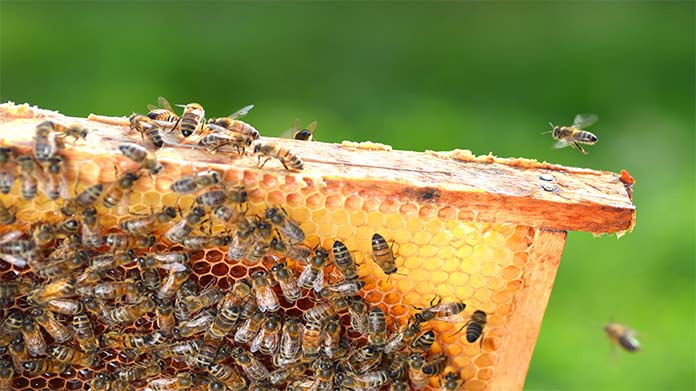
For many, beekeeping starts as a hobby. It doesn’t take them long, however, to realize what a fascinating and fulfilling career it can be. Beekeeping isn’t just about collecting honey; it’s about getting to know your bees, their behaviors, and their response to the natural environment around them. How rewarding would it be to parlay your passion into a career?
Our guide is in 3 parts:
The greatest part of your investment will be the land you house your bees on. You’ll need to purchase or rent land large enough for your bees to forage. If you’re worried about having too much land, keep in mind that larger spaces can be grown into, while smaller pieces of land can stunt growth.
Once you’ve found land for your bees, there are a few additional items you’ll need:
Wintering equipment, for those living in colder climates
Your initial investment should also include launching a website, developing marketing materials, and acquiring an insurance policy, recommended by your attorney or agent.
Well-maintained beehives often last for more than 30 years, significantly lowering your ongoing expenses. Annual costs for additional supplies should run between $80-$100 per hive, depending upon your specific needs.
You’ll have two different types of customers – those that purchase honey, and those that purchase beeswax products. When first starting out, individual sales will be your bread and butter. As you make a name for yourself within the community, you’ll want to target larger customers. Restaurants and health food stores have the ability to purchase your products in bulk, making the sales process easier.
Your beekeeping business will earn a profit through the sale of honey and other bee-related products. Depending on their location and demand, some beekeepers also rent out their bees for commercial crop pollination.
Prices vary depending upon the product, size, and process used to produce the item. Honey is typically sold in pounds, with a 1.5 lb jar of raw honey selling for $11 and 3 lbs for $21. Local bee pollen retails for approximately $10 for 10oz.
Annual profit depends upon a number of factors. What types of products do you plan to sell? How many colonies will you have? What region of the country do you live in and what is the weather like? If the weather is good and the bugs are minimal, 800 colonies could yield a profit of $90,000 annually.
The following are a few strategies other beekeepers have implemented to ensure a more profitable business:
Rent your bees for commercial crop pollination
Make and sell a variety of products, including honey, beeswax, lip balm, tinctures, and hand cream
Selling pollen is a great way to increase your annual profit
Some beekeepers have found success offering bee sting therapy
Rear queen bees or sell bulk bees
Donate honey to a local food bank or kitchen to generate a tax deduction
Since you can only collect honey from your hives during certain times of the year, your daily activities will vary from season to season. Beekeeping is a form of animal husbandry, so you will spend time providing feed when nectar and pollen supplies are low, preventing infections and parasitic mites, and minimizing the effects of Africanized bees.
When available, you’ll collect honey and honeycomb, turning them into products such as lotion and chapstick. Since this is a very unique profession, you’ll also want to spend a good deal of time marketing, and looking for new opportunities to make a name for yourself and your products.
Except for when you’re out selling your products, much of your time will be spent alone, so it’s important that you enjoy the solitude. Each colony has different behaviors and reacts differently to their surroundings, so beekeepers must be detail-oriented, with a love of constantly learning new things. Patience is critical in this profession. It also doesn’t hurt to have a calm personality – animals feed off our energy and bees are no different. Your reaction to a bee sting or when something else goes awry can directly affect the bee’s behavior.
Your business’ growth is heavily dependent on the size of land you have to work with. The more space you have, the more bees you’re able to tend to. More bees equals greater yield.
The following are some insider tips from experienced beekeepers who have chosen to make a career out of their passion:
When looking for land for your bees, try to avoid residential areas. Investing in a rural area will reduce complaints of bee stings from neighbors, and ensure a more controlled environment for feeding your bees.
Prepare yourself for honey processing by establishing a processing facility prior to placing your first hives.
When purchasing hives, try to get one that’s had bees in it for at least a year. This reduces stress on the bees, which could negatively impact your crop.
Protect your bees from chemicals as much as possible.
Don’t get greedy! Remember, these bees are feeding you. Leave enough honey and honeycomb for them to properly feed on. A healthy bee is a healthy producer.
Make sure they have access to a variety of food sources.
Find out if there’s a bee club in your community and attend meetings whenever possible.
Check with your state and local government, as some states require you to register as a beekeeper.
Before starting your own business, consider apprenticing for a year or two, to really get a feel for what the job entails.
Beekeeping is typically a job done in solitude, so you really won’t need a staff to run the business. If you do decide to hire someone to help with special events and on market days, be sure you employ someone who is fully educated on your products, as well as the beekeeping process.
Read our beekeeping business hiring guide to learn about the different roles a beekeeping business typically fills, how much to budget for employee salaries, and how to build your team exactly how you want it.
Business Evaluation & Strategy Tool
We'll walk you through the four pillars every business needs: Points of Leverage, Marketing Strategy, Financial Model, and Personal Compatibility. At the end you'll see a personalized report and your action plan below will be tailored to your answers.
Every viable business has natural advantages. Below are common leverage points across four categories. Pick the ones that apply to your Beekeeping business. We've pre-suggested a few based on your idea — review and adjust.
Without a way to connect with customers, even great businesses fail. Pick the channels you plan to use to reach your customers.
Enter your monthly baseline costs — the minimum overhead to keep the business running. Then we'll calculate how many sales per month you need to break even.
A business that doesn't fit your life will fail no matter how good the numbers look. Tell us how this business fits you.
Complete the four pillars and your personalized summary will appear here.
Nine concrete steps to take you from idea to open business, grouped into 30-day phases. Complete the planner above and we'll highlight what's most important for your situation.
An LLC keeps your personal assets separate from business debts and lawsuits — the most common reason small business owners choose this structure. Sole proprietorships and partnerships do not provide this protection.
Apply for your free Employer Identification Number through the IRS, then register for any state or local taxes that apply to your business (sales tax, franchise tax).
A dedicated business account is required to maintain personal asset protection. Mixing personal and business finances ('piercing the corporate veil') can void your LLC's liability shield.
Recording expenses and income from day one makes tax filing easier and lets you see when the business is actually profitable. Use software (QuickBooks, Wave) or a part-time bookkeeper.
State and local requirements vary widely. Brick-and-mortar businesses typically need a Certificate of Occupancy; service businesses may need specific professional licensing; food businesses need health permits.
General Liability Insurance is the most common starting point. If you'll have employees, most states require Workers' Compensation. Specific industries need additional coverage (product liability, professional liability, etc.).
Your brand is how customers perceive and remember you. A clear name, logo, and visual identity make every later marketing decision easier and protect you legally as you grow.
Every legitimate business needs a website. Social media pages are not a substitute — you don't own the platform. Modern website builders mean you can launch a clean site in a weekend without a developer.
A dedicated business number keeps your personal life private, makes the business look legitimate, and lets you route calls professionally. Cloud phone services start under $20/month.
Starting a Beekeeping business typically costs $500 to $5,000. It is considered a low capital-intensity business.
A Beekeeping business runs roughly a 4% net profit margin, and most owners reach break-even in about 4 to 12 months.
You can usually launch a Beekeeping business in about 2 to 8 weeks, and it is commonly run seasonal.
A Beekeeping business is generally an intermediate-skill business to start, with stable demand. TRUiC rates it 52 out of 100 on our Idea Score.
Most Beekeeping businesses register as an LLC or other legal entity and obtain a general business license. Depending on your state and city you may also need industry-specific permits, sales tax registration, and zoning or health approvals, so check your local requirements before you launch.