Startup cost
$25k–$250k
TRUiC Business Ideas
Decision Snapshot
Idea Score
55
Startup cost
$25k–$250k
Profit margin
21%
Break-even
4 mo–12 mo
Time to launch
12 wk–36 wk
Demand trend
Stable
5-yr failure rate
—
Capital intensity
Very high
Time commitment
Full time
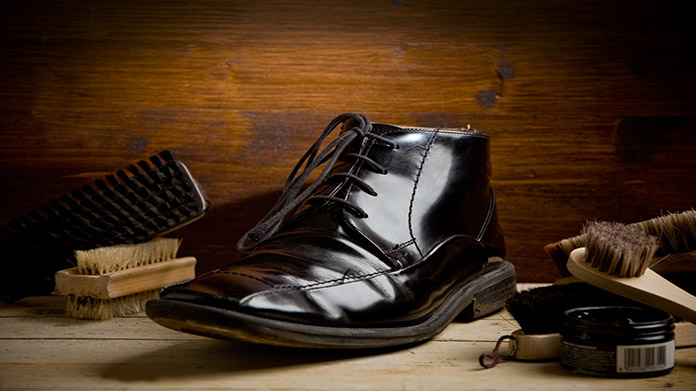
Shoe repair businesses specialize in restoring high-quality footwear by replacing heels and soles, repairing worn seams, and eliminating discoloration caused by exposure to the elements. Many shoe repair businesses also repair and restore purses, belts, and other leather accessories as well.
Our guide is in 3 parts:
The costs of opening a shoe repair business vary according to the cost of acquiring space in which to perform the repairs and store the needed supplies. Many shoe repair business owners reduce costs by partnering with clothing and shoe stores and renting space within their already established businesses. Others work online from their own homes, establishing a mail order business in which the cost of rent is low, but shipping costs are higher. Shoe repair equipment can range from several hundred to several thousand dollars, depending on whether it is new or used and the type of mechanical capabilities it possesses.
Ongoing expenses for a shoe repair business include:
Supplies such as heels, soles, leathers, and dyes
Electricity and maintenance of machinery and equipment
Shipping costs, if applicable
Telephone and website maintenance costs
Rental of space to store machinery and complete repairs
Preferred customers are often business professionals who purchase high-end footwear. However, rugged work boots are expensive as well and resoling can make them last longer. Other preferred customers include those who have favorite styles that are no longer manufactured and want to preserve them for as long as possible and those who place great sentimental value on items which may have been gifts from loved ones. Those wishing to conserve natural resources and combat the mindset of disposability are also frequent customers.
A shoe repair business makes money by charging a fee for the time and materials used to repair and refurbish shoes, boots, and other leather accessories.
Repair prices vary according to the amount of care needed and the cost of the materials necessary to make the repairs. A complete replacement of both heels and soles for a pair of shoes can cost as much as $100.00, while a simple shoe shine can cost as little as $12.00. Consider the prices of other companies when creating your prices, so as to be competitive.
Annual income for independent shoe repair business owners ranges from $23,000 to $34,000, with an average at $25,000. However, this number varies depending on many different factors. There are also opportunities to partner with designer brands that reflect the same dedication to quality craftsmanship and long-term durability.
You can increase your customer base by offering other services such as waterproofing and shoe shines that can benefit nearly everyone, regardless of the cost of their footwear. An important consideration is researching the competition in your area and offering services that supplement, rather than compete, with those already available. Extensive knowledge of the services provided by existing businesses can help you create a list of services that will set you apart from the competition. Collaborating with designers and attending fashion shows where people that will likely require your services purchase their footwear can also substantially increase revenues. Successful shoe repair businesses maximize value for their customers—providing not just economic, but social and sentimental value as well.
Some of the daily responsibilities of a shoe repair business owner include:
Purchasing quality materials used for restoration of shoes and accessories
Measuring, stitching, mending, and correcting defects caused by wear
Inspecting finished items for quality
Customer relations and advertising
Important knowledge and skills to have in this type of business include:
The ability to identify brands and models of a wide variety of shoes
Basic requisite skills and techniques of shoe repair, including sewing, gluing, and mending which are often acquired during an apprenticeship with an established shoe repair business
Excellent vision and hand dexterity
Scheduling flexibility
Customer service skills
The growth potential for a shoe repair business depends on a number of factors, including location, the number of competitors in the area, and the strength of the local economy. Unlike other types of businesses, a shoe repair business can enjoy an increase in revenues during economic downturns.
Those entering the business should know that the failure rate for new shoe repair businesses is higher than for those that are purchased after having already built a reputation and a regular clientele. The importance of researching competitors and offering superb customer service cannot be overestimated in this business.
Even if you prefer to work alone, it’s a good idea to join a professional organization for the purpose of continuing education that will keep you informed about the latest fashion trends. Many of them also offer opportunities for enjoyable networking with other industry professionals. For example, the Shoe Service Institute of America (SSIA) has a yearly convention. Other benefits of membership include access to an established network of suppliers.
Business Evaluation & Strategy Tool
We'll walk you through the four pillars every business needs: Points of Leverage, Marketing Strategy, Financial Model, and Personal Compatibility. At the end you'll see a personalized report and your action plan below will be tailored to your answers.
Every viable business has natural advantages. Below are common leverage points across four categories. Pick the ones that apply to your Shoe Repair business. We've pre-suggested a few based on your idea — review and adjust.
Without a way to connect with customers, even great businesses fail. Pick the channels you plan to use to reach your customers.
Enter your monthly baseline costs — the minimum overhead to keep the business running. Then we'll calculate how many sales per month you need to break even.
A business that doesn't fit your life will fail no matter how good the numbers look. Tell us how this business fits you.
Complete the four pillars and your personalized summary will appear here.
Nine concrete steps to take you from idea to open business, grouped into 30-day phases. Complete the planner above and we'll highlight what's most important for your situation.
An LLC keeps your personal assets separate from business debts and lawsuits — the most common reason small business owners choose this structure. Sole proprietorships and partnerships do not provide this protection.
Apply for your free Employer Identification Number through the IRS, then register for any state or local taxes that apply to your business (sales tax, franchise tax).
A dedicated business account is required to maintain personal asset protection. Mixing personal and business finances ('piercing the corporate veil') can void your LLC's liability shield.
Recording expenses and income from day one makes tax filing easier and lets you see when the business is actually profitable. Use software (QuickBooks, Wave) or a part-time bookkeeper.
State and local requirements vary widely. Brick-and-mortar businesses typically need a Certificate of Occupancy; service businesses may need specific professional licensing; food businesses need health permits.
General Liability Insurance is the most common starting point. If you'll have employees, most states require Workers' Compensation. Specific industries need additional coverage (product liability, professional liability, etc.).
Your brand is how customers perceive and remember you. A clear name, logo, and visual identity make every later marketing decision easier and protect you legally as you grow.
Every legitimate business needs a website. Social media pages are not a substitute — you don't own the platform. Modern website builders mean you can launch a clean site in a weekend without a developer.
A dedicated business number keeps your personal life private, makes the business look legitimate, and lets you route calls professionally. Cloud phone services start under $20/month.
Starting a Shoe Repair business typically costs $25,000 to $250,000. It is considered a very high capital-intensity business.
A Shoe Repair business runs roughly a 21% net profit margin, and most owners reach break-even in about 4 to 12 months.
You can usually launch a Shoe Repair business in about 12 to 36 weeks, and it is commonly run full time.
A Shoe Repair business is generally an intermediate-skill business to start, with stable demand. TRUiC rates it 55 out of 100 on our Idea Score.
Most Shoe Repair businesses register as an LLC or other legal entity and obtain a general business license. Depending on your state and city you may also need industry-specific permits, sales tax registration, and zoning or health approvals, so check your local requirements before you launch.