Startup cost
$25k–$250k
TRUiC Business Ideas
Decision Snapshot
Idea Score
55
Startup cost
$25k–$250k
Profit margin
21%
Break-even
4 mo–12 mo
Time to launch
12 wk–36 wk
Demand trend
Stable
5-yr failure rate
—
Capital intensity
Very high
Time commitment
Full time
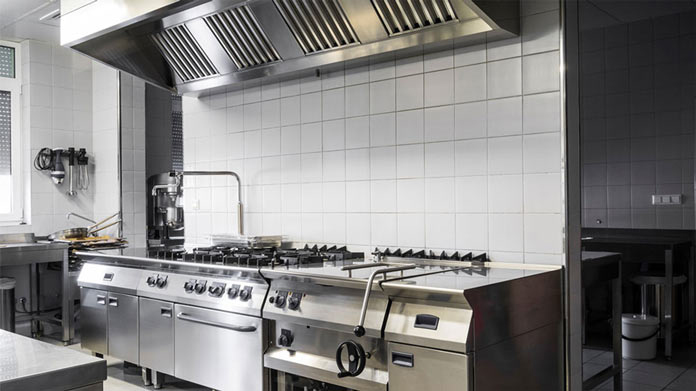
From small, local restaurants to five-star establishments, restaurants are in constant need of supplies. Restaurant supply stores cater to the needs of restaurant owners, offering affordable options for food, drinks, and equipment.
Our guide is in 3 parts:
When mapping out your business plan, consider the inventory you wish to carry and define your target audience. What is the community currently lacking? What do they have an immediate need for? This will assist you in determining your budget.
Regardless of the size of your store or the types of products you plan to sell, you will need to budget for the following items:
Space – Make sure your store’s location is conveniently located for restaurant owners. There should be ample parking and enough space for customers to get in and out with very little hassle.
Inventory – Conduct as much research as possible to ensure you do not invest in items your customers do not need. Your stock will grow and vary, as time goes on and you gain a better understanding of your regular clients’ needs.
Point of Sale Software – This will help you track and manage inventory, ring up orders, and identify trends.
Cash registers – Make sure you have multiple open lanes, so that customers aren’t waiting at the check-out area.
Furniture and Fixtures
Marketing materials
Insurance
Payroll and related expenses
If you wish to open a large establishment, much like Restaurant Depot, you will need a large warehouse, of approximately 15,000 square feet. Fixtures alone can cost upwards of $400,000. Entrepreneurs just starting out are urged to start small, expanding their business as they get to know the needs of restaurant owners in the area. This will minimize start-up costs and help ensure long-term success. The price to purchase an already established business averages approximately $1.4 million.
There are a number of ongoing expenses you should budget for each month. These include: lease payment, facility and equipment maintenance, utilities, and marketing. Your two largest expenses will be payroll and inventory, which will fluctuate, based on you and your clients’ immediate needs. It’s important to remember that payroll costs go beyond paying each employee an hourly wage. Workman’s Comp, benefits packages, and taxes should also be factored in.
Your target market is limited to those within the culinary community. This includes: restaurant owners/managers, culinary schools, cafeterias (both medical and schools), bars, caterers, bakeries, and coffee shops. Since food is perishable, many of your clients will visit you several days per week, if not every day.
This type of business generates money through the sale of each item. Some supply companies choose to focus solely on kitchen equipment, while others focus on the sale of food and drink. The largest suppliers offer a combination of both.
Prices vary, depending upon the item and your initial investment.
Realizing a significant profit the first year can be a challenge for any business. With proper research and a well thought-out business plan, your restaurant supply business has the potential to earn up to $55,000 in profit the first year. Depending upon your region’s needs, many restaurant suppliers earn six to seven figures in profit after their third anniversary.
Many restaurant supply companies choose to carve out their niche in one area. Those who realize significant short and long-term success are able to identify and meet the local restaurant owner’s needs. Expand your goods and services to include: equipment installation and/or repair and kitchen design, restaurant furniture, and even cooking classes. A delivery service is also a great way to attract new customers and increase your organization’s profit margins.
A restaurant supply store team handles a number of activities from day to day. Inventory must be closely watched to ensure your customers have the supplies they need, when they need them. Since the restaurant industry fluctuates seasonally, inventory should be closely monitored to meet these oscillating demands. To ensure your customers gain access to quality products regularly, the shelves must be stocked and inventory should be rotated on a daily basis. Additionally, relationships with distributors must be fostered, ensuring your clients have access to the very best product, at the very best price.
Since customer service is of the utmost importance, you and your staff should be on the floor, ringing up customer orders and meeting any direct questions and/or concerns. As part of your customer service strategy, your team should also consistently remain abreast of the latest food, libation, and equipment trends, passing this knowledge on to customers whenever relevant. Developing and maintaining a quality marketing strategy is also critical to your business’ success, as this ensures you consistently reach both current and prospective customers.
The key to long-term success in this industry is remaining abreast of the current trends. This includes everything from cooking techniques, to equipment and food trends. As the owner of a restaurant supply store, your goal should be to consistently learn and grow, encouraging others in related industries to do the same. Additionally, your role as the owner will require you to build and nurture relationships with both suppliers and the individuals with buying power at your local food establishments. This requires a personable demeanor and a deep understanding of their dynamic needs. Joining your state’s restaurant association is an effective way to develop relationships on a local level. Membership with the National Restaurant Association is an effective way to get involved on a larger scale.
While it is challenging to find long-term success in the restaurant industry, there will always be a great number of customers to cater to in the restaurant supply business. Provided you deliver consistent, quality products, there is the potential for significant growth, with many opening franchises across the country. The key to getting started and expanding quickly is to identify areas that have a direct need and furnishing those needs affordably.
Prior to opening your doors, start the process of building relationships with those in the community that could most use your service. By doing so, they will remember you when a need arises. Additionally, make sure your shop’s policies are clearly defined and posted for everyone to see.
Managing this type of establishment requires a team of employees prior to opening day. Make sure you have ample staff, qualified to stock shelves, run the cash registers, and assist customers with any questions or concerns they might have. Once the store is firmly established, you will want to consider hiring a store manager, as well as a marketing team and accounting specialist.
Business Evaluation & Strategy Tool
We'll walk you through the four pillars every business needs: Points of Leverage, Marketing Strategy, Financial Model, and Personal Compatibility. At the end you'll see a personalized report and your action plan below will be tailored to your answers.
Every viable business has natural advantages. Below are common leverage points across four categories. Pick the ones that apply to your Restaurant Supply business. We've pre-suggested a few based on your idea — review and adjust.
Without a way to connect with customers, even great businesses fail. Pick the channels you plan to use to reach your customers.
Enter your monthly baseline costs — the minimum overhead to keep the business running. Then we'll calculate how many sales per month you need to break even.
A business that doesn't fit your life will fail no matter how good the numbers look. Tell us how this business fits you.
Complete the four pillars and your personalized summary will appear here.
Nine concrete steps to take you from idea to open business, grouped into 30-day phases. Complete the planner above and we'll highlight what's most important for your situation.
An LLC keeps your personal assets separate from business debts and lawsuits — the most common reason small business owners choose this structure. Sole proprietorships and partnerships do not provide this protection.
Apply for your free Employer Identification Number through the IRS, then register for any state or local taxes that apply to your business (sales tax, franchise tax).
A dedicated business account is required to maintain personal asset protection. Mixing personal and business finances ('piercing the corporate veil') can void your LLC's liability shield.
Recording expenses and income from day one makes tax filing easier and lets you see when the business is actually profitable. Use software (QuickBooks, Wave) or a part-time bookkeeper.
State and local requirements vary widely. Brick-and-mortar businesses typically need a Certificate of Occupancy; service businesses may need specific professional licensing; food businesses need health permits.
General Liability Insurance is the most common starting point. If you'll have employees, most states require Workers' Compensation. Specific industries need additional coverage (product liability, professional liability, etc.).
Your brand is how customers perceive and remember you. A clear name, logo, and visual identity make every later marketing decision easier and protect you legally as you grow.
Every legitimate business needs a website. Social media pages are not a substitute — you don't own the platform. Modern website builders mean you can launch a clean site in a weekend without a developer.
A dedicated business number keeps your personal life private, makes the business look legitimate, and lets you route calls professionally. Cloud phone services start under $20/month.
Starting a Restaurant Supply business typically costs $25,000 to $250,000. It is considered a very high capital-intensity business.
A Restaurant Supply business runs roughly a 21% net profit margin, and most owners reach break-even in about 4 to 12 months.
You can usually launch a Restaurant Supply business in about 12 to 36 weeks, and it is commonly run full time.
A Restaurant Supply business is generally an intermediate-skill business to start, with stable demand. TRUiC rates it 55 out of 100 on our Idea Score.
Most Restaurant Supply businesses register as an LLC or other legal entity and obtain a general business license. Depending on your state and city you may also need industry-specific permits, sales tax registration, and zoning or health approvals, so check your local requirements before you launch.