Startup cost
$350k
TRUiC Business Ideas
Decision Snapshot
Idea Score
56
Startup cost
$350k
Profit margin
36%
Break-even
18 mo–36 mo
Time to launch
12 wk–36 wk
Demand trend
Stable
5-yr failure rate
—
Capital intensity
Very high
Time commitment
Full time
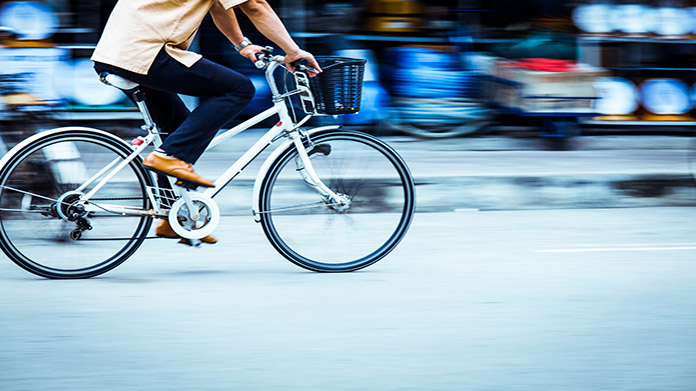
In addition to selling new bicycles, many bike shops also purchase and restore used bicycles for resale. Most also stock replacement parts for the types of bicycles they sell as well as a variety of safety equipment such as helmets, gloves, and reflective gear. Bicycle shops help promote cycling as a beneficial exercise, a positive social activity, and a clean alternative form of transportation.
Our guide is in 3 parts:
One of the initial costs is obtaining any required business licenses and permits. Depending on the location and size of your shop, opening a bicycle shop can cost as much as $350,000, or as little as $10,000. Startup costs are usually lower in smaller cities where rents aren’t as high, since a substantial amount of space is required.
Once a suitable space is located, it must be outfitted to effectively display bikes and accessories. Purchasing initial inventory is also costly, but many wholesale bicycle dealers offer shop owners a line of credit at 0% interest for a limited time (usually 3-6 months), which helps finance the initial inventory. Other goods, such as safety equipment, clothing, and accessories must be purchased outright.
Read our bike shop purchasing guide to learn about the materials and equipment you’ll need to start a bike shop, how much to budget, and where to make purchases.
Ongoing expenses include:
Rent
License and insurance fees
Inventory maintenance costs, which can be reduced by advertising more expensive items in brochures, rather than keeping them in stock
Freight charges, which can be reduced by using local wholesalers whenever possible
Sale and inventory management software designed specifically for bike shops
Tool maintenance
Staff training and salaries
Preferred customers are people who enjoy cycling as a form of transportation, a competitive sport, or a recreational hobby.
Bicycle shops make money by purchasing bicycles and cycling accessories for resale. Most shops also offer replacement parts and bicycle repair services. Some offer bicycle rentals as well as sales. Customers rely on the extensive knowledge and expertise of bicycle shop staff members to maintain their bicycles in safe riding condition.
Bicycle repairs can cost anywhere from $10 to $150, depending on the complexity of the job and the cost of the replacement parts. Simple beach cruisers cost anywhere from $199 to $700, while complex, rugged mountain bikes can range from $700 up to $10,000. There are also hybrid electric bicycles. Although they may charge more, most people choose bicycle shops over big box stores for the quality of their products, the superior knowledge of the staff, and the high level of customization they offer.
On average, the retail profit margin for bike sales is 36%, although the margin is somewhat higher for other types of cycling-related products, such as clothing and accessories. By selling a combination of bikes and other goods, the average bicycle shop earns a profit margin of about 42%.
Many bike shops have begun expanding their businesses, by making their stores available for other types of community events. According to a recent survey of 4,000 bike shops, 12% now have coffee bars, 11% offer cycling/spin classes, and nearly 1% partner with other service providers to offer massage and yoga. Your profits can increase in direct proportion to the community involvement your store makes possible.
Bicycle shop owners perform a wide variety of activities, including:
Tracking sales and inventory
Purchasing bicycles and accessories
Scheduling and performing bicycle customization and repairs
Creating sales promotions
Arranging and participating in community events
Researching new products and current trends in cycling
Training staff
Some skills that will help you succeed in this type of business include:
Bicycle repair
Customer service
Knowledge of cycling products and accessories
Accounting skills
Managerial skills for training staff
The National Bicycle Dealers Association provides a number of educational resources on their website.
The bicycle industry is demonstrating continuous growth, with the majority of bicycle manufacturers enjoying an increase in profits for 2016. Depending on location, it is possible to achieve enough growth to offer franchise opportunities.
It’s important to build a team from the beginning. Typically, a team includes a lending institution, and at least one staff member knowledgeable about cycling products, and skilled in bicycle repair.
Business Evaluation & Strategy Tool
We'll walk you through the four pillars every business needs: Points of Leverage, Marketing Strategy, Financial Model, and Personal Compatibility. At the end you'll see a personalized report and your action plan below will be tailored to your answers.
Every viable business has natural advantages. Below are common leverage points across four categories. Pick the ones that apply to your Bike Shop business. We've pre-suggested a few based on your idea — review and adjust.
Without a way to connect with customers, even great businesses fail. Pick the channels you plan to use to reach your customers.
Enter your monthly baseline costs — the minimum overhead to keep the business running. Then we'll calculate how many sales per month you need to break even.
A business that doesn't fit your life will fail no matter how good the numbers look. Tell us how this business fits you.
Complete the four pillars and your personalized summary will appear here.
Nine concrete steps to take you from idea to open business, grouped into 30-day phases. Complete the planner above and we'll highlight what's most important for your situation.
An LLC keeps your personal assets separate from business debts and lawsuits — the most common reason small business owners choose this structure. Sole proprietorships and partnerships do not provide this protection.
Apply for your free Employer Identification Number through the IRS, then register for any state or local taxes that apply to your business (sales tax, franchise tax).
A dedicated business account is required to maintain personal asset protection. Mixing personal and business finances ('piercing the corporate veil') can void your LLC's liability shield.
Recording expenses and income from day one makes tax filing easier and lets you see when the business is actually profitable. Use software (QuickBooks, Wave) or a part-time bookkeeper.
State and local requirements vary widely. Brick-and-mortar businesses typically need a Certificate of Occupancy; service businesses may need specific professional licensing; food businesses need health permits.
General Liability Insurance is the most common starting point. If you'll have employees, most states require Workers' Compensation. Specific industries need additional coverage (product liability, professional liability, etc.).
Your brand is how customers perceive and remember you. A clear name, logo, and visual identity make every later marketing decision easier and protect you legally as you grow.
Every legitimate business needs a website. Social media pages are not a substitute — you don't own the platform. Modern website builders mean you can launch a clean site in a weekend without a developer.
A dedicated business number keeps your personal life private, makes the business look legitimate, and lets you route calls professionally. Cloud phone services start under $20/month.
Starting a Bike Shop business typically costs $350,000. It is considered a very high capital-intensity business.
A Bike Shop business runs roughly a 36% net profit margin, and most owners reach break-even in about 18 to 36 months.
You can usually launch a Bike Shop business in about 12 to 36 weeks, and it is commonly run full time.
A Bike Shop business is generally an intermediate-skill business to start, with stable demand. TRUiC rates it 56 out of 100 on our Idea Score.
Most Bike Shop businesses register as an LLC or other legal entity and obtain a general business license. Depending on your state and city you may also need industry-specific permits, sales tax registration, and zoning or health approvals, so check your local requirements before you launch.