Startup cost
$3k–$25k
TRUiC Business Ideas
Decision Snapshot
Idea Score
55
Startup cost
$3k–$25k
Profit margin
11%
Break-even
9 mo–24 mo
Time to launch
12 wk–36 wk
Demand trend
Stable
5-yr failure rate
—
Capital intensity
Medium
Time commitment
Full time
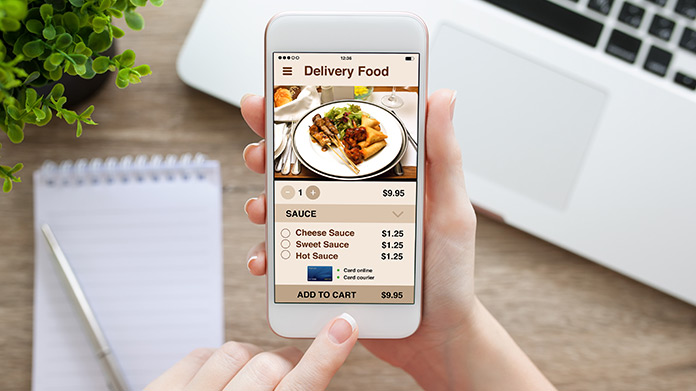
As time becomes more and more of a commodity, the general public looks for new ways to streamline daily activities. Food delivery services are, therefore, great opportunities for entrepreneurs and consumers. Approximately 60% of each dollar spent on food consumption will go to businesses outside the household. With a restaurant delivery business, you will be able to fill a need for numerous consumers, offering fresh and unique food options and allowing for gourmet dining, without leaving the house.
Our guide is in 3 parts:
Entrepreneurs experienced in this industry indicate start-up costs could range anywhere from $3,000 – $25,000.
Your initial investment should include the following:
Dispatch space – Specific costs vary, depending upon location. To reduce expenses, many business leaders have chosen to start out working from home.
Insurance – Be sure to discuss your needs with a reputable insurance agent. If working from home, contact your agent to proper coverage. The last thing you need is a team member hurting themselves onsite, only for you to find out you’re uninsured/underinsured.
Computer, fax machine, & telephone system – Utilize your personal devices until you’ve generated enough profit to invest in these business tools.
High-speed internet and a business landline with several lines – initial down payment ranges anywhere from $60 to $250
Delivery vehicles – Most businesses require their delivery drivers to have their own mode of transportation. Owners in large cities such as New York City will provide each driver with a bike.
Business license
Delivery food service bags to ensure freshness and maintain proper temperature
Marketing materials – Shirts for delivery drivers, menus, coupons, etc.
Website – Invest in an intuitive and interactive website that has the ability to grow with your company. If it is within your budget, definitely speak with a developer about packaging your site with a mobile app.
Software solution – Investing in a logistics management software system will help in coordinating orders, customers, and drivers.
Overhead costs vary, ranging anywhere from $600 to $10,000 per month, depending upon how the business is structured and the dispatch location. Items that should be budgeted for include:
Payroll costs – To reduce these expenses, consider hiring your team members as independent contractors. There are pros and cons to both choices, so it is recommended that you speak with an attorney and/or an accountant to weigh your options fully.
Insurance
Marketing and other printed materials
Rent and other associated costs, should you decide to lease a space for dispatch
Phone and internet expenses
Website maintenance
Business management software system
Your delivery radius must be populated enough to sustain and grow your business long-term. Target customers include busy/working families, disabled persons, heavily populated business areas, seniors, and college students.
Restaurant delivery services generate a profit by charging each restaurant a commission. Additionally, most companies include a delivery service fee, which is paid by the customer.
Before opening for business, take time to develop a delivery menu. To avoid questions and confusion, keep all food prices the same as they appear on the restaurant menu. Include a surcharge for delivery, in order to make your business profitable. This could be either a flat rate or a percentage of the total order. Since your restaurant partners are realizing increased sales and receiving “free” advertising through your organization, it is also standard to charge the restaurant a surcharge. Additionally, it is recommended that you encourage customers to tip their delivery driver.
Experienced professionals have reported an annual profit of $25,000 or more the first year. Five to six years in, those same companies are reporting upwards of $4 million annually. Factors such as location, demand, and desired growth affect your overall profits.
To maximize productivity, consider the following strategies:
Consider offering additional delivery services. This could include: wine/liquor, farmers, grocery stores, health food stores, pet stores, and pharmacies.
Work to decrease delivery time, increasing the number of orders that can be filled.
One industry leader guarantees his employees a minimum of $15/hour. He also holds a monthly employee meeting, where individuals can express concerns, ask questions, and receive additional training. This reduces turnover and increases workforce engagement.
Running a successful restaurant delivery service requires a high level of professionalism and hard work from the entire team. Everyone must work and no one’s role is more important than another.
Management and staff will be tasked with the following items each day:
Recording relevant information for each order.
Dispatch and delivery of each order placed.
Reaching out to current and potential customers, answering any questions and/or concerns they might have.
Working with current and potential restaurants to ensure profitable partnerships for both parties.
Market research and implementing marketing strategy.
Administrative tasks such as payroll and accounting.
A basic understanding of both restaurant and delivery industries would prove beneficial. This experience will offer valuable insight into the logistics that go into coordinating client requests, restaurants, and delivery needs.
Regardless of which role you decide to take on within the organization, it is critical that you possess strong communication and leadership skills. Each team member represents the company in both word and action. Organization and time management are necessary, as is the ability to remain calm when faced with an unforeseeable crisis.
If you are inexperienced in managing a business, consider attending an online or local class that focuses on business management, logistics, and marketing. The Restaurant Marketing and Delivery Association is also a great educational resource and networking tool.
According to recent studies, United States consumers spend an average of $3.5 billion annually on restaurant delivery. This number is expected to rise to over $12.5 billion by 2019. The owner of one major delivery service started out as a one-man operation, delivering on his bike. He now has over 200 employees in multiple cities across the U.S., with an annual profit of over $3 million.
Industry leaders offer the following start-up advice:
Make sure your customers have a variety of options to choose from. Pizza and Chinese are more readily available for delivery; what about Thai, Mexican, Indian, and American?
Food freshness is a direct reflection on your company. Work with restaurant management to ensure the delivery menu only includes dishes that transport well.
Try to keep your restaurant radius to 20 minutes.
Try to focus on locally owned restaurants. In addition to supporting another small business, these establishments are free of franchising contracts that could limit participation.
It is recommended that you start out with at least one other team member. If you try to wear too many hats, your business will suffer, hindering you from ever really getting off the ground. You will need at least one driver, preferably two, as well as someone dispatching. Since your drivers are the face of the business, make sure they are professional and look presentable at all times. They should also have a clean driving record and reliable transportation.
Business Evaluation & Strategy Tool
We'll walk you through the four pillars every business needs: Points of Leverage, Marketing Strategy, Financial Model, and Personal Compatibility. At the end you'll see a personalized report and your action plan below will be tailored to your answers.
Every viable business has natural advantages. Below are common leverage points across four categories. Pick the ones that apply to your Restaurant Delivery business. We've pre-suggested a few based on your idea — review and adjust.
Without a way to connect with customers, even great businesses fail. Pick the channels you plan to use to reach your customers.
Enter your monthly baseline costs — the minimum overhead to keep the business running. Then we'll calculate how many sales per month you need to break even.
A business that doesn't fit your life will fail no matter how good the numbers look. Tell us how this business fits you.
Complete the four pillars and your personalized summary will appear here.
Nine concrete steps to take you from idea to open business, grouped into 30-day phases. Complete the planner above and we'll highlight what's most important for your situation.
An LLC keeps your personal assets separate from business debts and lawsuits — the most common reason small business owners choose this structure. Sole proprietorships and partnerships do not provide this protection.
Apply for your free Employer Identification Number through the IRS, then register for any state or local taxes that apply to your business (sales tax, franchise tax).
A dedicated business account is required to maintain personal asset protection. Mixing personal and business finances ('piercing the corporate veil') can void your LLC's liability shield.
Recording expenses and income from day one makes tax filing easier and lets you see when the business is actually profitable. Use software (QuickBooks, Wave) or a part-time bookkeeper.
State and local requirements vary widely. Brick-and-mortar businesses typically need a Certificate of Occupancy; service businesses may need specific professional licensing; food businesses need health permits.
General Liability Insurance is the most common starting point. If you'll have employees, most states require Workers' Compensation. Specific industries need additional coverage (product liability, professional liability, etc.).
Your brand is how customers perceive and remember you. A clear name, logo, and visual identity make every later marketing decision easier and protect you legally as you grow.
Every legitimate business needs a website. Social media pages are not a substitute — you don't own the platform. Modern website builders mean you can launch a clean site in a weekend without a developer.
A dedicated business number keeps your personal life private, makes the business look legitimate, and lets you route calls professionally. Cloud phone services start under $20/month.
Starting a Restaurant Delivery business typically costs $3,000 to $25,000. It is considered a medium capital-intensity business.
A Restaurant Delivery business runs roughly a 11% net profit margin, and most owners reach break-even in about 9 to 24 months.
You can usually launch a Restaurant Delivery business in about 12 to 36 weeks, and it is commonly run full time.
A Restaurant Delivery business is generally an intermediate-skill business to start, with stable demand. TRUiC rates it 55 out of 100 on our Idea Score.
Most Restaurant Delivery businesses register as an LLC or other legal entity and obtain a general business license. Depending on your state and city you may also need industry-specific permits, sales tax registration, and zoning or health approvals, so check your local requirements before you launch.