Startup cost
$2k–$20k
TRUiC Business Ideas
Decision Snapshot
Idea Score
52
Startup cost
$2k–$20k
Profit margin
8%
Break-even
4 mo–12 mo
Time to launch
12 wk–36 wk
Demand trend
Stable
5-yr failure rate
—
Capital intensity
Medium
Time commitment
Full time
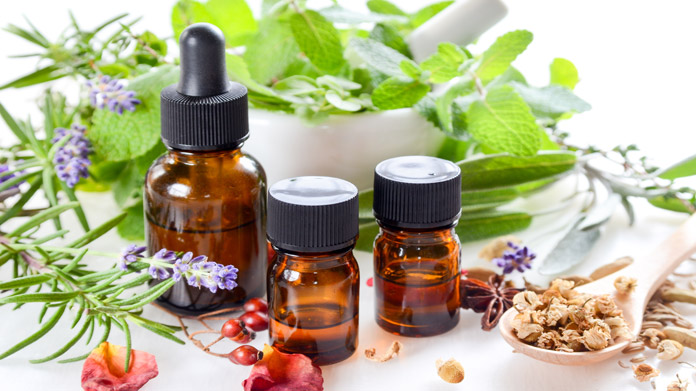
A medicinal herbs business may involve the actual growing and selling of herbs used for medicinal use. As an alternative to growing their own, owners of this type of business may purchase medicinal herbs in bulk from a grower and then resell the herbs to individuals or retailers.
Our guide is in 3 parts:
The cost of starting this type of business differs greatly depending on the business model but there is a place in this industry for people with almost any budget.
The easiest and cheapest way to start this type of business is to purchase medicinal herbs through a wholesale distributor and then resell these herbs online. This type of setup would require getting the proper licenses, a website, bulk herbs, and packaging material. Someone could start this type of business for less than $300 if he or she already owns a computer. For only a little more money, someone can easily rent a booth at a farmers market or fair and sell directly to customers.
Opening a permanent store to sell medicinal herbs requires a person to have access to much more capital. The biggest expense is rent, which can be thousands of dollars a month. In addition, if someone wants to go this route, they will need to invest in inventory, store fittings, utilities, insurance, and everything else which comes with running a retail location. Potential medicinal herb business owners who are interested in operating a retail location may want to consider one of the medicinal herb retail franchises which are available.
The largest expense for those who decide to grow their own medicinal herbs is the land. Land costs vary depending on the location and the quality of the land. Potential business owners who do not currently own land may wish to rent land at first to save money. Besides the cost of the land, costs include seeds, tools, water, and labor. Greenhouses and polytunnels can cost hundreds or thousands of dollars, but can extend your growing season. In order to label herbs as “organic”, growers need to apply for at least one certifying organization in the US for an organic certification. The certification process can cost up to $1500. Transporting products to market is an additional expense.
Depending on your business model, you will have to pay monthly for rent, utilities, seeds, inventory, and labor.
Medicinal herb businesses have several kinds of customers. The best retail customer is a person interested in living a natural, healthy lifestyle and already has experience with herbal medicine. A good wholesale customer is an established herbal medicine store which is looking to expand its product line. Herbal practitioners interested in earning more money by creating a white-label brand under their own name are great potential customers.
Medicinal herbs business owners make money by selling herbs.
It depends on your product’s quality, uniqueness, and where you choose to sell. Resellers who handle name-brand products can face stiff competition online which can drive down the prices customers will pay. Business owners with unique products have much more flexibility on setting their own prices.
Growers can earn as much as $25 a square foot over the course of a year depending on the type of herbs they grow and the customer base. Medicinal herbs businesses that re-sell bulk herbs typically charge 30% or more over their costs.
Businesses that grow medicinal herbs can also plant culinary herbs to diversify their customer base. All owners of medicinal herbs businesses can create “value-added” products like herbal pillows and gift sets. Teaching classes in the proper use of herbs or on herb gardening is also a good way to increase profits.
Herbal medicinal business owners spend much of their time handling marketing and sales. This may mean working in a store or creating websites and running ads to sell online. Medicinal herb business owners which grow their own herbs will spend a good portion on their days planting, tending to, and harvesting herbs. Those owners which buy wholesale will need to talk with suppliers, order supplies, and repackage herbs.
The owner of a medicinal herbs company needs to have an understanding of the proper use of medicinal herbs. This does not mean that everyone who owns this type of company needs to be a certified herbal practitioner, but this would certainly help. Owners who grow their own herbs need to have an adequate level of gardening skills and knowledge. All owners of this type of business need to know how to run a retail or wholesale operation and have some experience with marketing.
There is a massive growth of natural products and healthier alternatives to more common medical issues in the US. This will mean there will be a higher demand for medicinal herbs in the future.
Do enough research to learn about the current demand for medicinal herbs in your local area or the area where you plan to sell. Ensure that you actually have a viable market before investing in purchasing or growing herbs. Once you have a good sense of who your customers will be, start off small. Avoid a financial disaster by building your business slowly.
Larger retail and growing operations will require employees. Make sure when hiring new employees they share your vision and dedication to herbal medicine. Consider hiring long-time customers as employees if they show interest.
Business Evaluation & Strategy Tool
We'll walk you through the four pillars every business needs: Points of Leverage, Marketing Strategy, Financial Model, and Personal Compatibility. At the end you'll see a personalized report and your action plan below will be tailored to your answers.
Every viable business has natural advantages. Below are common leverage points across four categories. Pick the ones that apply to your Medicinal Herbs business. We've pre-suggested a few based on your idea — review and adjust.
Without a way to connect with customers, even great businesses fail. Pick the channels you plan to use to reach your customers.
Enter your monthly baseline costs — the minimum overhead to keep the business running. Then we'll calculate how many sales per month you need to break even.
A business that doesn't fit your life will fail no matter how good the numbers look. Tell us how this business fits you.
Complete the four pillars and your personalized summary will appear here.
Nine concrete steps to take you from idea to open business, grouped into 30-day phases. Complete the planner above and we'll highlight what's most important for your situation.
An LLC keeps your personal assets separate from business debts and lawsuits — the most common reason small business owners choose this structure. Sole proprietorships and partnerships do not provide this protection.
Apply for your free Employer Identification Number through the IRS, then register for any state or local taxes that apply to your business (sales tax, franchise tax).
A dedicated business account is required to maintain personal asset protection. Mixing personal and business finances ('piercing the corporate veil') can void your LLC's liability shield.
Recording expenses and income from day one makes tax filing easier and lets you see when the business is actually profitable. Use software (QuickBooks, Wave) or a part-time bookkeeper.
State and local requirements vary widely. Brick-and-mortar businesses typically need a Certificate of Occupancy; service businesses may need specific professional licensing; food businesses need health permits.
General Liability Insurance is the most common starting point. If you'll have employees, most states require Workers' Compensation. Specific industries need additional coverage (product liability, professional liability, etc.).
Your brand is how customers perceive and remember you. A clear name, logo, and visual identity make every later marketing decision easier and protect you legally as you grow.
Every legitimate business needs a website. Social media pages are not a substitute — you don't own the platform. Modern website builders mean you can launch a clean site in a weekend without a developer.
A dedicated business number keeps your personal life private, makes the business look legitimate, and lets you route calls professionally. Cloud phone services start under $20/month.
Starting a Medicinal Herbs business typically costs $2,000 to $20,000. It is considered a medium capital-intensity business.
A Medicinal Herbs business runs roughly a 8% net profit margin, and most owners reach break-even in about 4 to 12 months.
You can usually launch a Medicinal Herbs business in about 12 to 36 weeks, and it is commonly run full time.
A Medicinal Herbs business is generally an intermediate-skill business to start, with stable demand. TRUiC rates it 52 out of 100 on our Idea Score.
Most Medicinal Herbs businesses register as an LLC or other legal entity and obtain a general business license. Depending on your state and city you may also need industry-specific permits, sales tax registration, and zoning or health approvals, so check your local requirements before you launch.