Startup cost
$50k–$500k
TRUiC Business Ideas
Decision Snapshot
Idea Score
28
Startup cost
$50k–$500k
Profit margin
4%
Break-even
4 mo–12 mo
Time to launch
12 wk–36 wk
Demand trend
Stable
5-yr failure rate
—
Capital intensity
Very high
Time commitment
Full time
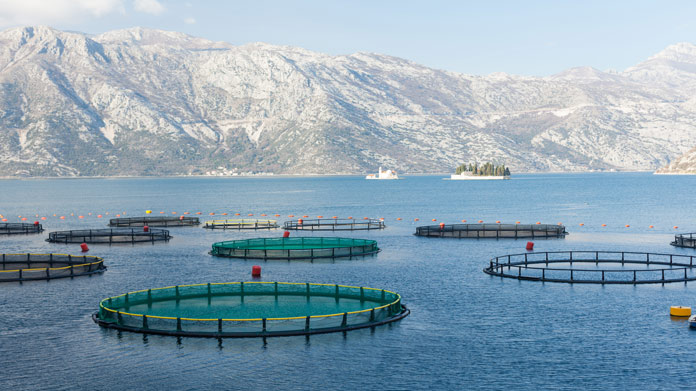
Fish farms operate for the purpose of raising fish for commercial and residential sales. Many different kinds of fish can be raised in controlled environments, from table fare to exotic tropical species. In addition to growing fish for the purpose of harvesting and selling them to restaurants, many fish farms also serve as fun places where families and individuals can go to fish in the ponds and catch their own supper.
Our guide is in 3 parts:
Costs will range, depending on the size and scope of the operation you are starting.
If you are starting an aquarium-based farm, you will need:
Tanks and pumps
Fish food and refrigerators
Water aerators
Water testing kits and equipment
An investment in the initial parent fish or eggs/frye
If you are running at a commercial fish farm you will need:
Land for ponds
Equipment for excavating ponds
Commercial-sized pumps, aerators, and water sources/reclamation devices
Boat, motor, and equipment for cleaning and managing the pond.
Industrial fish food supply
Fish processing equipment for shipping and exporting
Fish farming will have some variation in expenses, depending on what kind of fish and how many you are raising. Average associated costs will stem from:
Buying eggs and/or fingerlings for your re-stock purposes.
Food and maintenance of the fish.
Replacing pumps and oxygen/aeration systems.
Digging new ponds or buying additional tanks.
Electricity per month.
Plumbing maintenance.
Insurance for employees and the business.
Transporting/shipping of fish in and out of your farm.
Customer types will vary, depending on the types of fish you are raising. If you are raising fish for sport, re-stocking, or commercial food products, your base will consist of larger businesses, which need a higher volume of fish. Some customers may even consist of state or federal organizations who re-stock depleted natural resources.
If you raise fish for aquariums or as pets, your customer group will be pet shops and specialty fish dealers. You may even choose to have customers contact you directly, in order to expedite sales and cut the cost of the middle man.
Fish farms make money through the sales of their farm raised livestock. If your fish farm offers customers the opportunity to catch their own fish, you can also charge for fishing equipment, access to the fishing ponds, and fish cleaning services.
For fish re-stocking or for commercial food services, you will sell fish by quantity or by the pound. Depending on the species, prices can range between $10-$30 per pound or ranging from $40 to upwards of $500 per 100 count.
If you are raising exotic or specialty fish, the pricing will fluctuate, depending on the market. Some exotics are sold for upwards of $1,000 per fish. This is, of course, a high end buying group, and you will need to research potential buying group(s) in order to determine which species of fish are most profitable to farm in your area.
Depending on what kind of fish you’re farming and how large the operation, the annual salary can range between $35,000 to upwards of $150,000.
Some fish farm owners also choose to expand their market base by selling fish related products, such as food, pumps, aeration units, water testing supplies, or harvesting devices. By offering these additional items, fish farmers stay in contact with potential customers, even when not selling fish.
Overseeing this type of operation, either small scale or large, will require hands-on management of your livestock. Depending on the type of fish you’re raising, you will be carefully monitoring the living conditions and water quality regularly. Other things you may have to do include:
Check and service pumps for tanks and ponds.
Test pH of water and adjust accordingly
Feed fish and check water levels.
Extract fish for sale and shipment
Contact customers and distributors about inbound and outbound shipments.
Train staff on proper farming techniques
Having knowledge or experience in the business and industry of livestock rearing is important. In particular, understanding fish and how to take care of them is critical. You will also need to be able to connect with and maintain positive business contacts, in order to market and sell your product. Being personable and pleasant, yet shrewd in business, is necessary to continue to be profitable. Immerse yourself in the industry and stay up to date on the trends and moves of the market.
Fish as a food source is growing in popularity. Fish farms for commercial output are replacing some of the land once used for traditional plant crops. For aquarium enthusiasts, the desire for new and unique, as well as healthy, species is always strong. With the popularity of custom fish tanks also expanding, there will be a need for fish to fill them.
Fish farming, like most farm operations, requires hard work and exists in a supply and demand market. Finding a niche or becoming essential to an industry or market is key.
Choose species of fish which are popular and hearty to start out. This way you can become familiar with the ins and outs of the business, without the concerns of inconsistent sales or delicate livestock dying off.
Gain recognition for being consistent and of high quality in your product. Once you are established as a trusted source, you’ll be able to expand your types of fish and potential customers.
Stay aware of market trends and be flexible. The customer will always determine your successes. It is your job to anticipate buyer trends and make the proper business adjustments.
Stay aware of new industry innovations and trends. Maximizing the profitability of your company also means understanding your competition.
Depending on the size of your operation, you will more than likely need a few additional employees to assist with the feeding and maintenance of the fish and ponds. If you are operating a large scale commercial fish farm, you will need a few full-time employees. Ideally, they should have knowledge about livestock farming and fish nurturing and care. If you have a smaller operation, say for exotic or tropical fish farming, you may only need one or two additional employees. Base your employee needs on the demand for your product.
Business Evaluation & Strategy Tool
We'll walk you through the four pillars every business needs: Points of Leverage, Marketing Strategy, Financial Model, and Personal Compatibility. At the end you'll see a personalized report and your action plan below will be tailored to your answers.
Every viable business has natural advantages. Below are common leverage points across four categories. Pick the ones that apply to your Fish Farm business. We've pre-suggested a few based on your idea — review and adjust.
Without a way to connect with customers, even great businesses fail. Pick the channels you plan to use to reach your customers.
Enter your monthly baseline costs — the minimum overhead to keep the business running. Then we'll calculate how many sales per month you need to break even.
A business that doesn't fit your life will fail no matter how good the numbers look. Tell us how this business fits you.
Complete the four pillars and your personalized summary will appear here.
Nine concrete steps to take you from idea to open business, grouped into 30-day phases. Complete the planner above and we'll highlight what's most important for your situation.
An LLC keeps your personal assets separate from business debts and lawsuits — the most common reason small business owners choose this structure. Sole proprietorships and partnerships do not provide this protection.
Apply for your free Employer Identification Number through the IRS, then register for any state or local taxes that apply to your business (sales tax, franchise tax).
A dedicated business account is required to maintain personal asset protection. Mixing personal and business finances ('piercing the corporate veil') can void your LLC's liability shield.
Recording expenses and income from day one makes tax filing easier and lets you see when the business is actually profitable. Use software (QuickBooks, Wave) or a part-time bookkeeper.
State and local requirements vary widely. Brick-and-mortar businesses typically need a Certificate of Occupancy; service businesses may need specific professional licensing; food businesses need health permits.
General Liability Insurance is the most common starting point. If you'll have employees, most states require Workers' Compensation. Specific industries need additional coverage (product liability, professional liability, etc.).
Your brand is how customers perceive and remember you. A clear name, logo, and visual identity make every later marketing decision easier and protect you legally as you grow.
Every legitimate business needs a website. Social media pages are not a substitute — you don't own the platform. Modern website builders mean you can launch a clean site in a weekend without a developer.
A dedicated business number keeps your personal life private, makes the business look legitimate, and lets you route calls professionally. Cloud phone services start under $20/month.
Starting a Fish Farm business typically costs $50,000 to $500,000. It is considered a very high capital-intensity business.
A Fish Farm business runs roughly a 4% net profit margin, and most owners reach break-even in about 4 to 12 months.
You can usually launch a Fish Farm business in about 12 to 36 weeks, and it is commonly run full time.
A Fish Farm business is generally an intermediate-skill business to start, with stable demand. TRUiC rates it 28 out of 100 on our Idea Score.
Most Fish Farm businesses register as an LLC or other legal entity and obtain a general business license. Depending on your state and city you may also need industry-specific permits, sales tax registration, and zoning or health approvals, so check your local requirements before you launch.