Startup cost
$50k–$500k
TRUiC Business Ideas
Decision Snapshot
Idea Score
50
Startup cost
$50k–$500k
Profit margin
40%
Break-even
4 mo–12 mo
Time to launch
12 wk–36 wk
Demand trend
Stable
5-yr failure rate
—
Capital intensity
Very high
Time commitment
Full time
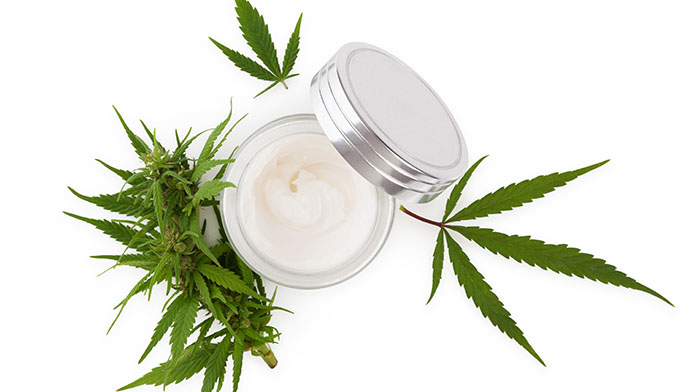
The beauty and personal care industry generates more than $84 billion annually in the U.S alone. As consumers become increasingly aware of the benefits of natural products, beauty care manufacturers and retailers are now investing in the latest trend – beauty products infused with CBD, a non-psychoactive cannabinoid found in hemp and cannabis. Major retailers such as Sephora, Barneys, and Neiman Marcus are investing in CBD-infused face masks, hair products, cosmetics, and creams, offering a unique and profitable business opportunity for those looking to break out in the beauty industry.
Our guide is in 3 parts:
Starting a beauty product line from scratch requires a great deal of time and money. The planning stage, which includes product development, packaging, and identifying retailers, can take anywhere from nine to eighteen months and cost $75,000 to over $200,000. Start-up costs include insurance, payroll, trademark and logo design, and a website. If your business plan includes a storefront, you will also face the standard upfront costs, which include a location, display cases, business software, additional employees, and utilities.
To offset some of these expenses, entrepreneurs entering this industry are encouraged to seek out funding and grants. Sephora Accelerate is a program set up through Sephora that offers customers a unique opportunity to turn their vision into reality.
The ongoing expenses business owners face managing a business of this magnitude include manufacturing, packaging, marketing and brand awareness campaigns, insurance, and payroll. If your business model includes a storefront, you will face additional overhead expenses that come with owning a brick-and-mortar shop. As mentioned, remaining on the forefront of emerging trends and active in legislation reform is also important. Therefore, those looking for long-term industry success should budget for market research, travel, and education.
Your target market includes consumers who are educated regarding the benefits of cannabis, particularly when it comes to skin care and beauty products. They are committed to natural living and possess the financial means to invest in their own wellness. Entrepreneurs are encouraged to conduct thorough research to identify which products have saturated the market and which ones are still needed.
A cannabis beauty product business generates revenue from each sale. These sales come from multiple sources, including online, 3rd-party retailers, and the business’ own beauty supply store.
When setting your prices, consider all costs associated with making the product, as well as the product size. Prices range anywhere from $18 to over $2,000. This broad range is why it is critical that you identify your target market during the business plan development stage.
With the announcement that several major retailers will start carrying CBD-infused beauty products, the profit potential in this industry is significant. This is a fairly new concept, however, so there is not currently enough information to provide reported profit earnings. Profit margins in the standard makeup industry typically average 40%, with some reaching as high as 80%. The average small beauty line reports an annual profit of $35,000 – $70,000, while the larger organizations report profits of well over a million dollars.
Once you have established yourself as a thought leader in the industry, consider branching out, building a collection of beauty products that includes makeup, skincare, creams, etc. Consider speaking at conferences and get as involved in the community as possible. This will help gain more visibility for your company and assist in identifying other areas that are still lacking quality products.
Most investors partner with a private label manufacturer, who develops and produces their clients’ consumer goods. You will work closely with them to formulate and manufacture the CBD-infused products you conceive, determine packaging options, and ensure adherence with FDA rules and regulations. To remain relevant in the cannabis beauty product industry, business owners must remain abreast of current and emerging trends, continually striving to introduce new and innovative products. Additionally, networking and marketing will be an integral part of your day. When not working to expand your business, your team will focus on administrative duties, filling orders, and offering advice to customers regarding their personal needs. If a brick-and-mortar store is part of your business plan, you and your staff will also need to maintain the facility and keep the shelves stocked, taking a more hands-on approach to customer service.
For long-term success in this industry, it is critical that the business owner possess strong interpersonal skills, able to make connections with customers, manufacturers, retailers, and industry colleagues. These relationships will help you understand the needs of your client base, ensuring everything from your logo, to product packaging and the products themselves, meets those dynamic needs.
Additionally, one must possess the qualities that make a great leader. You must be detail-oriented, with strong organizational and delegation skills. Flexibility, patience, and perseverance are critical. Most importantly, you must possess the passion to become involved in this ever-changing landscape. Dedication to continually educating yourself and others, and involvement in the ever-evolving legislation, will help ensure the industry continues to grow.
CBD-infused beauty products are in such high demand that Wall Street analysts are beginning to treat it as its own, standalone category. Despite its popularity, this is still a fairly new industry, offering significant room for growth and profits for entrepreneurs looking to get in on the ground floor.
While this is still a fairly new industry, many have been working behind the scenes for years to educate consumers regarding the benefits of cannabis products. They offer the following advice:
Work with a product manufacturer that understands both the product and your target audience. They can assist you in identifying customer needs, brand development, and solving the payment processing dilemma many retailers are facing.
It is critical that you conduct thorough research ahead of time regarding payment processing, as there are strict rules and regulations that eliminate many standard processing platforms.
During the beginning stages, you will have a partnership with the private manufacturer, who will help throughout the development stage. Should you decide to hire a staff to assist you personally, make sure each team member is well-versed in cannabis beauty products and the overall benefits of CBD.
Business Evaluation & Strategy Tool
We'll walk you through the four pillars every business needs: Points of Leverage, Marketing Strategy, Financial Model, and Personal Compatibility. At the end you'll see a personalized report and your action plan below will be tailored to your answers.
Every viable business has natural advantages. Below are common leverage points across four categories. Pick the ones that apply to your Cannabis Beauty Products business. We've pre-suggested a few based on your idea — review and adjust.
Without a way to connect with customers, even great businesses fail. Pick the channels you plan to use to reach your customers.
Enter your monthly baseline costs — the minimum overhead to keep the business running. Then we'll calculate how many sales per month you need to break even.
A business that doesn't fit your life will fail no matter how good the numbers look. Tell us how this business fits you.
Complete the four pillars and your personalized summary will appear here.
Nine concrete steps to take you from idea to open business, grouped into 30-day phases. Complete the planner above and we'll highlight what's most important for your situation.
An LLC keeps your personal assets separate from business debts and lawsuits — the most common reason small business owners choose this structure. Sole proprietorships and partnerships do not provide this protection.
Apply for your free Employer Identification Number through the IRS, then register for any state or local taxes that apply to your business (sales tax, franchise tax).
A dedicated business account is required to maintain personal asset protection. Mixing personal and business finances ('piercing the corporate veil') can void your LLC's liability shield.
Recording expenses and income from day one makes tax filing easier and lets you see when the business is actually profitable. Use software (QuickBooks, Wave) or a part-time bookkeeper.
State and local requirements vary widely. Brick-and-mortar businesses typically need a Certificate of Occupancy; service businesses may need specific professional licensing; food businesses need health permits.
General Liability Insurance is the most common starting point. If you'll have employees, most states require Workers' Compensation. Specific industries need additional coverage (product liability, professional liability, etc.).
Your brand is how customers perceive and remember you. A clear name, logo, and visual identity make every later marketing decision easier and protect you legally as you grow.
Every legitimate business needs a website. Social media pages are not a substitute — you don't own the platform. Modern website builders mean you can launch a clean site in a weekend without a developer.
A dedicated business number keeps your personal life private, makes the business look legitimate, and lets you route calls professionally. Cloud phone services start under $20/month.
Starting a Cannabis Beauty Products business typically costs $50,000 to $500,000. It is considered a very high capital-intensity business.
A Cannabis Beauty Products business runs roughly a 40% net profit margin, and most owners reach break-even in about 4 to 12 months.
You can usually launch a Cannabis Beauty Products business in about 12 to 36 weeks, and it is commonly run full time.
A Cannabis Beauty Products business is generally an intermediate-skill business to start, with stable demand. TRUiC rates it 50 out of 100 on our Idea Score.
Most Cannabis Beauty Products businesses register as an LLC or other legal entity and obtain a general business license. Depending on your state and city you may also need industry-specific permits, sales tax registration, and zoning or health approvals, so check your local requirements before you launch.