Startup cost
$100k–$250k
TRUiC Business Ideas
Decision Snapshot
Idea Score
63
Startup cost
$100k–$250k
Profit margin
25%
Break-even
18 mo–36 mo
Time to launch
2 wk–12 wk
Demand trend
Stable
5-yr failure rate
—
Capital intensity
Very high
Time commitment
Full time
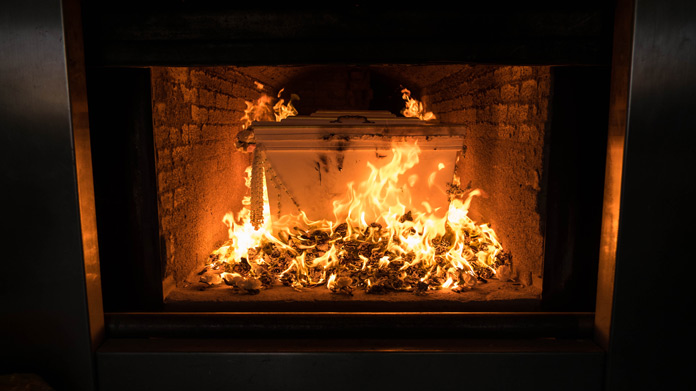
As an alternative to the traditional casket funeral services, many consumers are choosing cremation for themselves or loved ones. Cremation offers families options on the final resting place and reduces funeral costs considerably.
Our guide is in 3 parts:
Crematoriums need an initial investment for a building and equipment, but can often recoup their initial investment fairly quickly. Budget between $100,000 and $250,000 to start, depending on the location and cremation services offered. Animal cremation furnaces are considerably less than ones for human remains, due to industry standards. The two, by law, cannot be used for other than their intended purposes.
Consider these items in your initial budget:
Industrial property lease or purchase
Furnace and fuel equipment
Staffing
Business insurance – work with an experienced professional and inquire about both business and liability insurance
Transportation/delivery vehicle(s)
Certifications and licensing
Marketing – if this isn’t your strong suit, consider seeking help from an advertising agency or inbound marketer
If franchising is an option, your initial investment could be estimated between $20,000 and $50,000. The initial investment is less, but so is your earning potential. You will pay a percentage to the parent company for equipment and advertising.
Monthly expenses will fluctuate. Approximate $10,000 – $15,000 per month, depending on the amount of cremations performed.
Fuel expenses – between $15-$35 per cremation
Property lease/rent- $1,500 to $4,000 per month
Furnace maintenance and servicing – $400
Payroll and taxes – $7,500
Marketing $150/month
Your clients will often consist of other funeral homes, who are using your facility and equipment. Many established funeral homes are not equipped for cremations on site and must turn to an outside service. In some cases, a crematorium will operate independently and will see customers directly.
Cremation businesses make money off of each cremation they perform.
Prices will vary somewhat, depending on the amount of fuel used and any special circumstances. Typical costs for a cremation service range between $1,000 and $2,500.
Currently, the cremation business is on the rise. It is estimated that it is a $3-$5 billion industry, and growing. Salaries for crematorium executives average around $60,000.
Because cremation renders the remains to ashes, numerous products or services have sprung up around this industry. Offer some of the services as alternative revenue sources.
Wearable remains – The ashes are sealed into glass pendants, paperweights of commemorative bowls.
Plantable remains – Ashes are used in the germination and growth of plant or tree seeds.
Launch your ashes into space
Create an artificial reef structure with the ashes.
Carbon free cremation – The cremation process uses alkali hydrolysis to break down the body, instead of fire.
A cremation business owner will fall into an established routine, with the occasional deviation in schedule.
Day-to-day activities will consist of:
Scheduling cremation services
Networking and communicating with funeral homes
Marketing for your customer base
Scheduling routine maintenance on building and equipment
Researching your industry and emerging trends, equipment, and techniques
Scheduling and training staff
Handling various administrative duties
Complying with safety procedures
Compassion and strong communication skills, both with customers and other funeral service businesses is necessary. Being personable and professional in this business is also critical. Attention to detail and strong business acumen will also be an asset. For cremation certification, following industry trends, and ongoing enterprise support, the International Cemetery, Cremation, and Funeral Association and Cremation Association of North America offer significant resources.
The crematorium industry is rapidly expanding and becoming increasingly profitable. Numerous families and individuals are making the choice to cremate, as opposed to the traditional funeral procedures and cost. Many pet owners are also choosing to cremate, which adds another facet to the industry.
This industry is rapidly becoming a popular choice for entrepreneurs. Therefore, it’s important to consider the advice of those that have paved the path for you:
Research the competition and saturation levels, in your region, prior to opening a business.
Develop a relationship with the funeral home directors in your area. Networking is your greatest asset.
Create a business plan before investing / finding investors and follow your plan. Carefully consider all of the costs associated with this kind of start-up.
Talk with successful and established cremation owners you’re not in competition with. What worked for them?
You may not need a very large team for this business, especially initially. Over time, look for reliable and level-headed people to join your business. As with all employees, yours will represent your company and reputation. Persons with experience in the medical field or patient care are sometimes good fits, as they often have the right temperament.
Business Evaluation & Strategy Tool
We'll walk you through the four pillars every business needs: Points of Leverage, Marketing Strategy, Financial Model, and Personal Compatibility. At the end you'll see a personalized report and your action plan below will be tailored to your answers.
Every viable business has natural advantages. Below are common leverage points across four categories. Pick the ones that apply to your Crematorium business. We've pre-suggested a few based on your idea — review and adjust.
Without a way to connect with customers, even great businesses fail. Pick the channels you plan to use to reach your customers.
Enter your monthly baseline costs — the minimum overhead to keep the business running. Then we'll calculate how many sales per month you need to break even.
A business that doesn't fit your life will fail no matter how good the numbers look. Tell us how this business fits you.
Complete the four pillars and your personalized summary will appear here.
Nine concrete steps to take you from idea to open business, grouped into 30-day phases. Complete the planner above and we'll highlight what's most important for your situation.
An LLC keeps your personal assets separate from business debts and lawsuits — the most common reason small business owners choose this structure. Sole proprietorships and partnerships do not provide this protection.
Apply for your free Employer Identification Number through the IRS, then register for any state or local taxes that apply to your business (sales tax, franchise tax).
A dedicated business account is required to maintain personal asset protection. Mixing personal and business finances ('piercing the corporate veil') can void your LLC's liability shield.
Recording expenses and income from day one makes tax filing easier and lets you see when the business is actually profitable. Use software (QuickBooks, Wave) or a part-time bookkeeper.
State and local requirements vary widely. Brick-and-mortar businesses typically need a Certificate of Occupancy; service businesses may need specific professional licensing; food businesses need health permits.
General Liability Insurance is the most common starting point. If you'll have employees, most states require Workers' Compensation. Specific industries need additional coverage (product liability, professional liability, etc.).
Your brand is how customers perceive and remember you. A clear name, logo, and visual identity make every later marketing decision easier and protect you legally as you grow.
Every legitimate business needs a website. Social media pages are not a substitute — you don't own the platform. Modern website builders mean you can launch a clean site in a weekend without a developer.
A dedicated business number keeps your personal life private, makes the business look legitimate, and lets you route calls professionally. Cloud phone services start under $20/month.
Starting a Crematorium business typically costs $100,000 to $250,000. It is considered a very high capital-intensity business.
A Crematorium business runs roughly a 25% net profit margin, and most owners reach break-even in about 18 to 36 months.
You can usually launch a Crematorium business in about 2 to 12 weeks, and it is commonly run full time.
A Crematorium business is generally an intermediate-skill business to start, with stable demand. TRUiC rates it 63 out of 100 on our Idea Score.
Most Crematorium businesses register as an LLC or other legal entity and obtain a general business license. Depending on your state and city you may also need industry-specific permits, sales tax registration, and zoning or health approvals, so check your local requirements before you launch.