Startup cost
$650k
TRUiC Business Ideas
Decision Snapshot
Idea Score
50
Startup cost
$650k
Profit margin
33%
Break-even
18 mo–36 mo
Time to launch
12 wk–36 wk
Demand trend
Stable
5-yr failure rate
—
Capital intensity
Very high
Time commitment
Seasonal
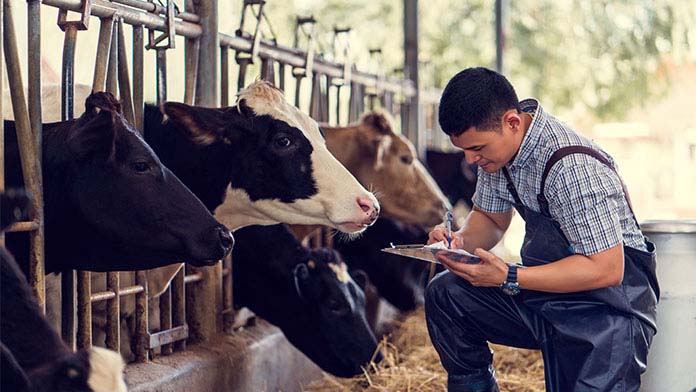
A cattle ranch, which can be managed on anything from a few acres up to several hundred acres, is a farm that breeds and raises cattle. The livestock can be bred for a multitude of purposes, including consumption, trade, hide, cattle shows/fairs, and the production of milk products.
Our guide is in 3 parts:
While many cattle ranchers have realized success on a farm with only a few acres, this business venture does require significant starting capital. Careful research and a well-thought-out business plan are essential to your success. To start a basic cattle ranch, be sure to include the following in your budget:
Land – Consider your needs regarding grazing, pasturing, necessary vegetation, proper climate, and topography.
Land preparation
Homestead fencing – While DIY fencing projects can save a significant amount of money, it is critical it’s done right. Follow these tips to keep your cattle safe and secure.
Watering facilities
Tools and equipment – Purchase used equipment and perform all maintenance and repairs yourself to save on upfront and ongoing expenses.
Shelter – This is particularly important if you plan to raise dairy cattle.
First set of cattle
Website
Payroll – You will need to hire a set of workers several months before the farm is officially open.
Insurance
Marketing and advertising
Cattle ranchers managing a medium-sized farm estimate a starting budget of $650,000. Entrepreneurs with limited capital are urged to apply for government seed funding and grants through the United States Department of Agriculture and the Organic Farming Research Foundation. The Farm Service Agency is also a great resource for those just starting out in the industry.
Feed costs represent over 25% of the cattle rancher’s annual budget. Standard ongoing expenses such as payroll, loan payments, and utilities should be documented and budgeted for as the farm evolves. Annual budgets should also include medical care, maintenance and repair of equipment and structures, and feed. To reduce overall operating expenses, new cattle farm owners are encouraged to review and identify patterns in climate conditions and access to low-cost labor.
The target market for this industry is basically everyone who eats beef or dairy products or those who deal in any products, such as leather, that can come from cattle. Businesses that require a supply of beef, processing and packaging companies, and individual households are all part of the demographic.
Traditionally, a cattle ranch generates income from the sale of each cow. To maximize profits and make the most of their resources, most ranch owners offer additional services. The specifics of the goods and services offered is directly tied to the amount of land owned, geographical location, amount of starting capital, and type of cattle raised.
What you charge clients depends on a number of factors. When determining your fees, consider your cost, necessary profit margin, the individual clients’ needs, and what the market will bear.
Overall profit margins of a cattle ranch range from 24-33% per head of cattle. Profits vary depending upon product sold, size of ranch, demand, and pricing.
Production is directly tied to your business’ annual profit. While new cattle farmers are encouraged to limit production to what they can do best, there are a number of business opportunities in this industry. When preparing your business plan, consider these options:
Process milk products (e.g., milk, condensed milk, evaporated milk, dry milk, cheese, butter, yogurt)
Beef processing and packaging
Breeding services
Hosting farm tours
Hosting classes (e.g., butchering, cooking, cheese making)
Sale of cowhide
Show cows at local events/fairs
Grow/sell additional food items/raise other livestock
A cattle rancher’s day begins early. By 6:00 AM, the crew is in the field, herding the cattle to a new field for grazing. Depending upon the size of your ranch, number of cows you own, and the number of defectors you have, this process can take several hours. Once this is done, the land must be fertilized, inventory taken, and records updated. Some days you may need to meet with the veterinarian to ensure the herd is healthy, while other days may require you to make deliveries for order fulfillment. If your ranch offers additional goods, such as dairy products, a team member will also need to tend to these items on a daily basis.
Managing a cattle ranch doesn’t stop with the animals; you must also ensure the land and equipment is maintained and in working order. Administrative duties are equally important, which includes reconciling the books, contacting vendors, networking, and marketing.
To manage a successful cattle farm, one must possess extensive knowledge about the animals and the process of cattle farming. While not required, hands-on experience would prove beneficial. Pursuing professional certifications, such as the P. Livestock Certification, Rainforest Alliance Certification, and Livestock Production would all prove beneficial and demonstrate your commitment to the industry.
In addition to industry knowledge, managing a successful cattle ranch requires dedication to your vision, hard work, and a passion for learning. This dynamic industry is tightly knit. Experienced farmers enjoy supporting their fellow farmers, ensuring everyone in the community succeeds. If you lack the necessary business skills to manage your books or market your farm, the Small Farm Nation Academy has helped countless new farmers turn their dreams into reality.
The agriculture industry plays a critical role in every country, ensuring food for the populace. As a result, the government subsidizes everything from fertilizers to machinery and seedlings. While many entrepreneurs use this as an opportunity to enter the industry, it is not over-saturated. It brings in over $13 billion each year and is expected to grow by over 3% annually. The cattle industry is particularly poised for growth and significant profit due to the usefulness of beef and other by-products from cattle.
Accurate and complete records regarding your purchases, finances, sales, assets, breeding, calving, and vaccinations are critical to your business’s long-term success. While this industry can prove quite profitable, there are a variety of outside factors that have a direct impact on your income. Planning ahead for things out of your control, such as poor weather conditions, unfavorable government policies, and economic downturn will help keep your business afloat during difficult times.
New ranch owners are encouraged to map out every last detail prior to investing in land. What will you do with the manure? How will you design and care for the land? Is there enough space to properly control parasites? How well do you know and understand these large animals?
Cattle ranch owners must understand their strengths and weaknesses and surround themselves with individuals who strengthen the team. Managing a medium-sized farm requires approximately 15–20 key staff members. During peak times, seasonal workers are typically hired. Your feed representative, veterinarian, and accountant should also be considered an essential part of your team.
Business Evaluation & Strategy Tool
We'll walk you through the four pillars every business needs: Points of Leverage, Marketing Strategy, Financial Model, and Personal Compatibility. At the end you'll see a personalized report and your action plan below will be tailored to your answers.
Every viable business has natural advantages. Below are common leverage points across four categories. Pick the ones that apply to your Cattle Ranch business. We've pre-suggested a few based on your idea — review and adjust.
Without a way to connect with customers, even great businesses fail. Pick the channels you plan to use to reach your customers.
Enter your monthly baseline costs — the minimum overhead to keep the business running. Then we'll calculate how many sales per month you need to break even.
A business that doesn't fit your life will fail no matter how good the numbers look. Tell us how this business fits you.
Complete the four pillars and your personalized summary will appear here.
Nine concrete steps to take you from idea to open business, grouped into 30-day phases. Complete the planner above and we'll highlight what's most important for your situation.
An LLC keeps your personal assets separate from business debts and lawsuits — the most common reason small business owners choose this structure. Sole proprietorships and partnerships do not provide this protection.
Apply for your free Employer Identification Number through the IRS, then register for any state or local taxes that apply to your business (sales tax, franchise tax).
A dedicated business account is required to maintain personal asset protection. Mixing personal and business finances ('piercing the corporate veil') can void your LLC's liability shield.
Recording expenses and income from day one makes tax filing easier and lets you see when the business is actually profitable. Use software (QuickBooks, Wave) or a part-time bookkeeper.
State and local requirements vary widely. Brick-and-mortar businesses typically need a Certificate of Occupancy; service businesses may need specific professional licensing; food businesses need health permits.
General Liability Insurance is the most common starting point. If you'll have employees, most states require Workers' Compensation. Specific industries need additional coverage (product liability, professional liability, etc.).
Your brand is how customers perceive and remember you. A clear name, logo, and visual identity make every later marketing decision easier and protect you legally as you grow.
Every legitimate business needs a website. Social media pages are not a substitute — you don't own the platform. Modern website builders mean you can launch a clean site in a weekend without a developer.
A dedicated business number keeps your personal life private, makes the business look legitimate, and lets you route calls professionally. Cloud phone services start under $20/month.
Starting a Cattle Ranch business typically costs $650,000. The largest cost is usually marketing. It is considered a very high capital-intensity business.
A Cattle Ranch business runs roughly a 33% net profit margin, and most owners reach break-even in about 18 to 36 months.
You can usually launch a Cattle Ranch business in about 12 to 36 weeks, and it is commonly run seasonal.
A Cattle Ranch business is generally an intermediate-skill business to start, with stable demand. TRUiC rates it 50 out of 100 on our Idea Score.
Most Cattle Ranch businesses register as an LLC or other legal entity and obtain a general business license. Depending on your state and city you may also need industry-specific permits, sales tax registration, and zoning or health approvals, so check your local requirements before you launch.