
Quick Fit
Who this list is for
Visual artists, writers, performers, and portfolio-led creators
Intermediate portfolio skills; expert for paid instruction or studios
Online client work, home production, local classes, and studios
Curation Notes
Why these ideas
This artist-focused list favors ideas that monetize a portfolio, voice, teaching style, or creative direction without forcing every founder into a storefront. Writing, proofreading, audiobooks, and ghostwriting keep overhead low, while studios, classes, entertainment, and collector retail add in-person revenue paths.
Curated List
Browse the curated ideas
Compare each option by startup cost, margin, launch timeline, operating model, and fit for this category.

Freelance Writing
Freelance writing gives artists a fast way to sell voice, research, and creative judgment without inventory or studio overhead.
Benchmarks under editorial review.
Start guide ->
Meditation Studio
Meditation studios reward artists who can shape atmosphere, sound, pacing, and visual calm into a repeatable local experience.
Benchmarks under editorial review.
Start guide ->
Zumba
Zumba fits artists who enjoy movement, music, and group performance and want a class-based model with repeat attendance.
Benchmarks under editorial review.
Start guide ->
Audiobooks
Audiobooks are a strong fit for performers and vocal artists because narration turns timing, tone, and interpretation into paid production work.
Benchmarks under editorial review.
Start guide ->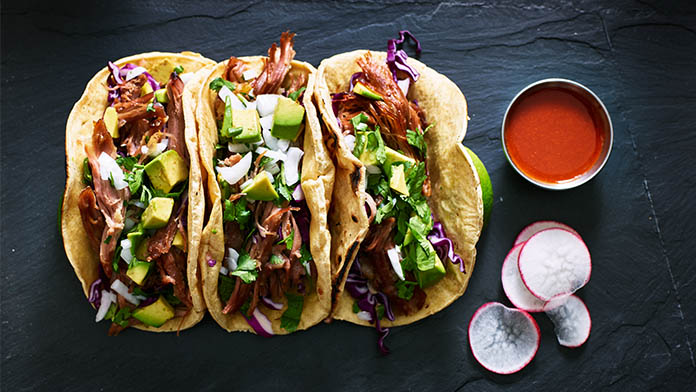
Taqueria
Taqueria is a more adjacent creative path, but it can suit artists who like pop-up experiences, branding, and festival-style customer interaction.
Benchmarks under editorial review.
Start guide ->
Entertainment
Entertainment fits artists who want to sell performance, booking, or production value directly to events and organizations.
Benchmarks under editorial review.
Start guide ->

CrossFit
Crossfit belongs on the performance-led edge of this list, where coaching energy, music, and community rituals can matter as much as the workout.
Benchmarks under editorial review.
Start guide ->

Ghostwriting
Ghostwriting fits artists with strong listening and writing instincts who can translate client stories into polished long-form work.
Benchmarks under editorial review.
Start guide ->


Proofreading
Proofreading is useful for artists who want detail-focused online work that can fund a creative practice with low overhead.
Benchmarks under editorial review.
Start guide ->

Sports Memorabilia
Sports memorabilia works for artists interested in curation, visual display, nostalgia, and collector-driven retail.
Benchmarks under editorial review.
Start guide ->
Yoga Studio
A yoga studio fits artists drawn to movement, teaching, atmosphere, and recurring class design.
Benchmarks under editorial review.
Start guide ->






Common Questions
Frequently asked questions
- What business can I start as an artist?
Artists can start with freelance writing, audiobooks, ghostwriting, copywriting, proofreading, custom creative services, or local classes. The best option depends on whether you want client projects, recurring instruction, digital products, or in-person experiences.
- Can artists make money online?
Yes. Online-friendly ideas in this list include freelance writing, proofreading, copywriting, ghostwriting, and audiobooks. These models can start with a portfolio and a clear service offer before adding studio space or inventory.
- How much money do art businesses need to start?
Some artist businesses can start with a few hundred dollars for tools, software, and marketing, while studios and local classes need more space, equipment, and scheduling support. Compare the cards by startup cost before choosing a model.
- Do artists need a portfolio before starting?
A portfolio helps for client-facing ideas like writing, copywriting, narration, entertainment, and instruction. It does not need to be huge, but it should prove the style, reliability, and result a buyer can expect.
Useful Resources