Startup cost
$2k–$10k
TRUiC Business Ideas
Decision Snapshot
Idea Score
68
Startup cost
$2k–$10k
Profit margin
23%
Break-even
4 mo–12 mo
Time to launch
12 wk–36 wk
Demand trend
Stable
5-yr failure rate
—
Capital intensity
Medium
Time commitment
Flexible
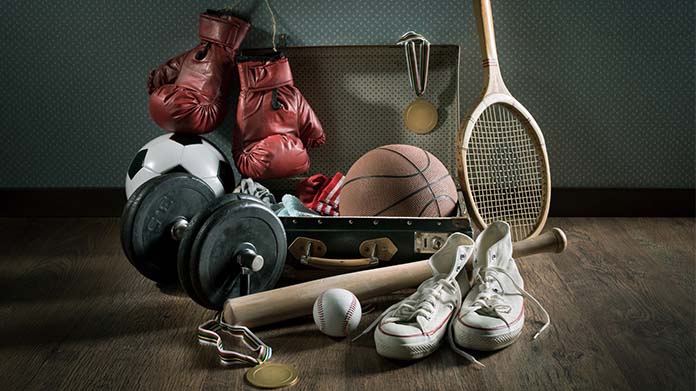
Many people follow sports, and a lot of fans enjoy connecting to their favorite teams and fans through memorabilia. Whether a card, game-used item, or other piece of ephemera, sports memorabilia provides a tangible connection to both the past and present. Sports memorabilia businesses deal in buying and selling sports collectibles.
The sports memorabilia industry has experienced tremendous growth over the past 30 years or so. There are more than 200 million collectors worldwide today, and a third of them have owned or currently own at least one piece of sports memorabilia. Selling this memorabilia has become a billion-dollar industry.
Our guide is in 3 parts:
The startup costs associated with opening a sports memorabilia business are manageable. In total, business owners should be prepared to spend between $2,000 and $10,000.
If a business is opening a physical storefront, some of the startup funds will go toward leasing and building out a space. Otherwise, most of the money is invested in memorabilia to sell. There are several places to find items:
Wholesalers
Auctions
Estate sales
Classifieds
For business owners who have limited funds, estate sales sometimes hold especially good bargains.
Whatever business owners purchase, any game-used or signed item must be authentic. Selling a single non-genuine item can severely tarnish a business’ reputation, possibly even permanently devastating a young business.
The ongoing expenses for a sports memorabilia business are manageable. They include the cost of acquiring new items, as well as any lease payments or listing fees.
The target market for a sports memorabilia business mostly consists of sports fans who have discretionary income. Sometimes, businesses will also sell to investors who are looking for alternative investments.
A sports memorabilia business makes money by buying memorabilia and selling it at a higher price. Unlike an investor who hopes that items will appreciate in value over time, this type of business operates like a dealer and generates revenue by buying and selling.
The value of sports memorabilia varies significantly. Many items may sell for just a few dollars, but rare pieces can fetch four-, five- and six-figure sums. For instance, a famed pair of Michael Jordan’s shoes sold for $104,765 at auction a few years ago. The jersey from his final regular season game with the Chicago Bulls commanded $173,000.
With such a variance in item values, how much sports memorabilia businesses make likewise varies significantly. Some businesses bring in a modest living while others are highly profitable ventures.
A sports memorabilia business can increase revenue by selling items in addition to true memorabilia. Display cases and new sports apparel are two natural types of products to add to a business’ inventory.
Business owners who become experts in their field can also become authenticators, which may lead to a side income verifying signatures.
Business owners spend a lot of time searching for sports memorabilia to purchase and talking with customers about the items they carry. Business owners who sell online spend time creating listings and answering specific questions about their listings. Those who sell in person often spend time manning their storefront, talking both about their merchandise and last night’s game.
Making a profit reselling sports memorabilia requires an in-depth knowledge of the marketplace. Business owners spend hours combing through listings, sales, and collectors guides so they can learn how much different pieces sell for and how quickly those pieces should sell. Based on this knowledge, business owners are able to determine what’s worth buying and how much they can expect to pay for these items.
There are several specialized price guides on Amazon, such as Baseball Hall of Fame Autographs and Beckett Baseball Card Price Guide. The recently sold listings on Ebay (found via Advanced Search) and current listings on other sites can also be helpful.
A sports memorabilia business may be a small business that’s run from home or a small storefront, or it can grow to be a major national company. Fanatics Authentic is a large website that sells items related to many sports. Many small businesses sell through their store and other platforms like Ebay, rather than maintain their own websites.
Business owners who don’t have the funds needed to deal in high-profile signed items can still get signed memorabilia to sell. Attending events where players are signing items is an inexpensive way to get potentially valuable items.
When attending signings, business owners should try to take a selfie with the athlete(s) present. Even if the athletes are in the background, a picture can help authenticate the signature.
Should business owners go to multiple signing events that feature the same player, they can diversify their product offerings by asking for a slightly different note each time. For example, a business owner may get a signature with the player’s main number, one with the date they entered the major leagues, and one with the player’s minor league number. Such a strategy helps create a unique and varied inventory.
Many sports memorabilia businesses remain small and don’t hire employees starting out. Businesses that grow or that do open storefronts can hire employees as their revenue allows.
Business Evaluation & Strategy Tool
We'll walk you through the four pillars every business needs: Points of Leverage, Marketing Strategy, Financial Model, and Personal Compatibility. At the end you'll see a personalized report and your action plan below will be tailored to your answers.
Every viable business has natural advantages. Below are common leverage points across four categories. Pick the ones that apply to your Sports Memorabilia business. We've pre-suggested a few based on your idea — review and adjust.
Without a way to connect with customers, even great businesses fail. Pick the channels you plan to use to reach your customers.
Enter your monthly baseline costs — the minimum overhead to keep the business running. Then we'll calculate how many sales per month you need to break even.
A business that doesn't fit your life will fail no matter how good the numbers look. Tell us how this business fits you.
Complete the four pillars and your personalized summary will appear here.
Nine concrete steps to take you from idea to open business, grouped into 30-day phases. Complete the planner above and we'll highlight what's most important for your situation.
An LLC keeps your personal assets separate from business debts and lawsuits — the most common reason small business owners choose this structure. Sole proprietorships and partnerships do not provide this protection.
Apply for your free Employer Identification Number through the IRS, then register for any state or local taxes that apply to your business (sales tax, franchise tax).
A dedicated business account is required to maintain personal asset protection. Mixing personal and business finances ('piercing the corporate veil') can void your LLC's liability shield.
Recording expenses and income from day one makes tax filing easier and lets you see when the business is actually profitable. Use software (QuickBooks, Wave) or a part-time bookkeeper.
State and local requirements vary widely. Brick-and-mortar businesses typically need a Certificate of Occupancy; service businesses may need specific professional licensing; food businesses need health permits.
General Liability Insurance is the most common starting point. If you'll have employees, most states require Workers' Compensation. Specific industries need additional coverage (product liability, professional liability, etc.).
Your brand is how customers perceive and remember you. A clear name, logo, and visual identity make every later marketing decision easier and protect you legally as you grow.
Every legitimate business needs a website. Social media pages are not a substitute — you don't own the platform. Modern website builders mean you can launch a clean site in a weekend without a developer.
A dedicated business number keeps your personal life private, makes the business look legitimate, and lets you route calls professionally. Cloud phone services start under $20/month.
Starting a Sports Memorabilia business typically costs $2,000 to $10,000. It is considered a medium capital-intensity business.
A Sports Memorabilia business runs roughly a 23% net profit margin, and most owners reach break-even in about 4 to 12 months.
You can usually launch a Sports Memorabilia business in about 12 to 36 weeks, and it is commonly run flexible.
A Sports Memorabilia business is generally an intermediate-skill business to start, with stable demand. TRUiC rates it 68 out of 100 on our Idea Score.
Most Sports Memorabilia businesses register as an LLC or other legal entity and obtain a general business license. Depending on your state and city you may also need industry-specific permits, sales tax registration, and zoning or health approvals, so check your local requirements before you launch.