Startup cost
$15k–$100k
TRUiC Business Ideas
Decision Snapshot
Idea Score
62
Startup cost
$15k–$100k
Profit margin
20%
Break-even
4 mo–12 mo
Time to launch
12 wk–26 wk
Demand trend
Stable
5-yr failure rate
—
Capital intensity
High
Time commitment
Full time
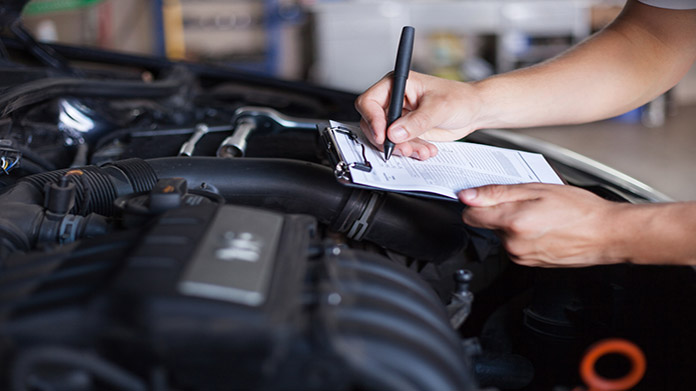
Starting a car repair shop can be an exciting and rewarding business venture for entrepreneurs who are passionate about turning their automotive skills into a profitable and sustainable business.
Having said that, you should keep in mind that launching a successful car repair shop requires the right mix of mechanical skills, a well thought-out business plan, and an entrepreneurial mindset.
In this comprehensive guide, we’ll walk you through all the essential steps you’ll need to take to start your own car repair shop, from understanding the basics you’ll need to get started to choosing an appropriate space for a garage and getting licensed.
Our guide is in 3 parts:
With a valuation that’s projected to expand by an estimated USD $134.9 billion between 2024 and 2028, the already thriving global automotive repair and maintenance market is positioned for further growth and innovation.
While largely driven by a group of established national chains — such as Bridgestone Corp., Firestone Complete Auto Care, and Goodyear Tire and Rubber Co., — this growth has also been heavily supported by numerous smaller, independent businesses, which collectively hold quite a large market share.
In terms of the challenges faced by this industry, there are two key pressures of note: the rising use of public transportation and the growing presence of electric vehicles (EV) in the market, especially in urban areas where pollution concerns and congestion have led governments to invest in alternative transit options.
While the link between greater public transportation usage and reduced demand for auto repair services is already clear, the effect of electric vehicles on this industry’s growth is a little more complicated. The main difficulty presented by these vehicles is that their design typically requires less maintenance than traditional combustion engines.
For instance, without the need for oil changes or complex exhaust systems, EVs require fewer service visits, which is challenging conventional repair shops to adapt. Consequently, automotive repair businesses are increasingly investing in digital tools and more specialized skills to stay competitive, such as diagnostic tools and augmented reality apps that are specifically tailored for EVs.
While the overall growth of the automotive repair and maintenance market bodes well, new car repair shops looking to compete in it will need to effectively respond to the shift it’s experiencing by investing in the repair services that are expected to see an increased demand in the future.
If you’re considering whether a car repair shop is right for you, the first thing you’ll need to know is whether it’s a) affordable, and b) worth the investment. I mean, how much can you actually make running your own car repair shop?
Well, it depends, and the initial investment for a car repair shop varies widely based on factors such as your location, shop size, and service offerings.
With that being said, there are four key initial costs for you to expect when setting up your car repair shop:
When discussing the ongoing costs faced by a car repair shop, it’s worth noting that expenses extend beyond just rent and salaries, and will also include regular outlays for supplies, parts, utilities, insurance, and equipment maintenance.
The earning potential of an auto repair shop can vary widely based on factors like where it’s located, its specialization, customer base, and operational efficiency.
With that being said, a new car repair shop that’s managed to secure a regular stream of clients can typically expect to earn between $100,000 and $300,000 in annual revenue, with profit margins that range between 10% and 20%.
While this may lead someone to believe that all you’ll need to start earning is a shop and the necessary technical expertise, the truth is that this business idea couldn’t be further from a fast route to wealth. In reality, there’s a huge amount of work associated with getting started and you’ll likely need to burn a lot of startup capital for at least three to six months before your shop will begin to turn a profit.
This is particularly true if you’ll be starting with a limited budget, as you’ll be required to learn how to successfully perform multiple essential roles. Once you’re acting as your shop’s lead tech, service writer, marketing manager, accountant, and floor sweeper, you’re unlikely to work another 8-hour day for a while.
A starting budget can accelerate this process as you’ll be able to hire people to perform the roles that you aren’t so good at, though you’ll still need to spend a significant amount of time developing an understanding of how each of these jobs should be performed in order to maintain control over operations, and be able to make informed decisions as your business grows.
The one upside of this business idea is that, since the majority of bigger companies in this space take advantage of the customers’ lack of knowledge to massively markup basic services and fixes, it provides you with the perfect opportunity to easily undercut and still make healthy profit margins — as long as you’re prepared to put in the groundwork.
The target market for a car repair shop generally includes vehicle owners in the local area who need regular maintenance, repairs, or specialized services.
This can encompass a range of customers, from individual car owners and fleet operators to niche groups like classic car enthusiasts or performance vehicle owners, depending on the shop’s focus.
The amount you can charge customers varies based on the specific services offered and the local market rates.
Basic maintenance, like oil changes, typically costs between $50 and $100, while more complex repairs can range from $200 to over $1,000. Shops with specializations (e.g., EV repairs or custom work), will likely charge even higher fees due to the expertise involved.
A car repair shop’s profit can vary widely but typically falls between 10% and 20% of revenue.
With annual revenues often ranging from $100,000 to $300,000 for new shops, owners might expect annual profits of $10,000 to $60,000 initially, with potential for growth as the business establishes a loyal customer base.
To increase profitability, consider focusing on efficient service to maximize billable hours, implementing a fair markup on parts, and offering specialized services that can attract niche customers.
With this business model there aren’t really any shortcuts to becoming more profitable, if you offer excellent service and charge transparent prices, you’ll gradually build a loyal customer base.
Business Evaluation & Strategy Tool
We'll walk you through the four pillars every business needs: Points of Leverage, Marketing Strategy, Financial Model, and Personal Compatibility. At the end you'll see a personalized report and your action plan below will be tailored to your answers.
Every viable business has natural advantages. Below are common leverage points across four categories. Pick the ones that apply to your Car Repair Shop business. We've pre-suggested a few based on your idea — review and adjust.
Without a way to connect with customers, even great businesses fail. Pick the channels you plan to use to reach your customers.
Enter your monthly baseline costs — the minimum overhead to keep the business running. Then we'll calculate how many sales per month you need to break even.
A business that doesn't fit your life will fail no matter how good the numbers look. Tell us how this business fits you.
Complete the four pillars and your personalized summary will appear here.
Nine concrete steps to take you from idea to open business, grouped into 30-day phases. Complete the planner above and we'll highlight what's most important for your situation.
An LLC keeps your personal assets separate from business debts and lawsuits — the most common reason small business owners choose this structure. Sole proprietorships and partnerships do not provide this protection.
Apply for your free Employer Identification Number through the IRS, then register for any state or local taxes that apply to your business (sales tax, franchise tax).
A dedicated business account is required to maintain personal asset protection. Mixing personal and business finances ('piercing the corporate veil') can void your LLC's liability shield.
Recording expenses and income from day one makes tax filing easier and lets you see when the business is actually profitable. Use software (QuickBooks, Wave) or a part-time bookkeeper.
State and local requirements vary widely. Brick-and-mortar businesses typically need a Certificate of Occupancy; service businesses may need specific professional licensing; food businesses need health permits.
General Liability Insurance is the most common starting point. If you'll have employees, most states require Workers' Compensation. Specific industries need additional coverage (product liability, professional liability, etc.).
Your brand is how customers perceive and remember you. A clear name, logo, and visual identity make every later marketing decision easier and protect you legally as you grow.
Every legitimate business needs a website. Social media pages are not a substitute — you don't own the platform. Modern website builders mean you can launch a clean site in a weekend without a developer.
A dedicated business number keeps your personal life private, makes the business look legitimate, and lets you route calls professionally. Cloud phone services start under $20/month.
Starting a Car Repair Shop business typically costs $15,000 to $100,000. It is considered a high capital-intensity business.
A Car Repair Shop business runs roughly a 20% net profit margin, and most owners reach break-even in about 4 to 12 months.
You can usually launch a Car Repair Shop business in about 12 to 26 weeks, and it is commonly run full time.
A Car Repair Shop business is generally an expert-skill business to start, with stable demand. TRUiC rates it 62 out of 100 on our Idea Score.
Most Car Repair Shop businesses register as an LLC or other legal entity and obtain a general business license. Depending on your state and city you may also need industry-specific permits, sales tax registration, and zoning or health approvals, so check your local requirements before you launch.