Startup cost
$20k
TRUiC Business Ideas
Decision Snapshot
Idea Score
69
Startup cost
$20k
Profit margin
41%
Break-even
4 mo–12 mo
Time to launch
12 wk–36 wk
Demand trend
Stable
5-yr failure rate
—
Capital intensity
Medium
Time commitment
Full time
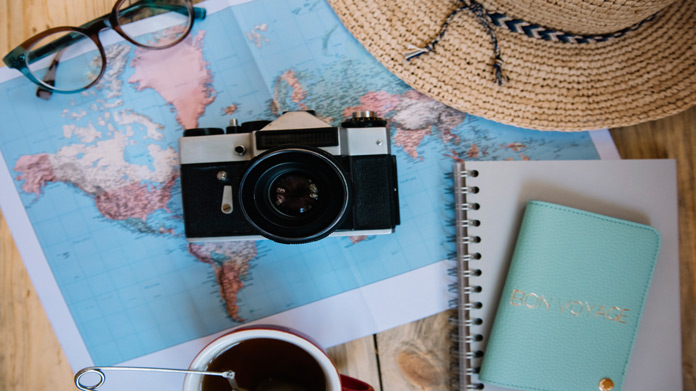
A travel photographer uses their camera to provide high quality images to a variety of clients that may include websites, travel blogs, print magazines, television ads, and framed prints for sale. You will need to travel extensively to a variety of locations to deliver the landscapes, hotel rooms, and recreational shots that your clients are looking for. You’ll work hard to develop a variety of clients who work with you to determine where your next shoot should be while your self-promotion and marketing will reach out to new clients.
Our guide is in 3 parts:
Most travel photographers work out of their home or on the road. Your start-up costs will include investing in several professional cameras and needed accessories, a laptop or computer able to display your images in the highest definition possible, and the associated software for editing. Of course, you are going to need to pay for your travel as well. $20,000 should buy your basic equipment and get you to your first few destinations.
You’ll be buying new camera equipment from time to time, but the travel is likely to be the biggest expense that you will face. Don’t expect to be staying in four-star hotels with concierge service, but anticipate using hostels or sharing small rooms on a regular basis while you get established.
You will have made it big time when established photo-journals and travel guides are contacting you to shoot a spread for their next issue. As a beginner you’ll want to establish yourself through selling on stock photography sites, freelancing to newspapers and websites, and perhaps doing studio work for weddings, graduations, and families.
You will earn the majority of your income by selling individual photos to websites and print magazines. Should you build a positive reputation, it may be possible to have your travel paid for by a client who wants your photography for their business, but this is not common.
Popular stock photography sites can pay as little a ten cents for each upload of a single image. Some sites do offer professional rates, but you will have to submit a portfolio and resume in order to become one of their select photographers. A local newspaper may offer between $20 and $100 for a picture. When your image is selected by a popular travel journal or magazine, it is possible to earn $1000 for a single image.
The average income for a professional photographer is about $60,000 a year. That average represents both new and established businesses. You will start out slow and should expect to earn half the average for the first few years.
Watch your travel budget. Just because you are on the road does not mean that steak dinners are affordable. Treat your travel expenses like daily living expenses, rather than as vacation expenses, and you’ll see more income in the bank.
If you are running your own travel photography business, on any given day you might:
Travel to a new destination, this can include driving, flying, hiking, boating, or a number of other forms of transportation
Take a large number of photos using your personal camera equipment
Sort and curate your images using professional image software, fix lighting, and crop and focus errors to produce a professional image suitable for sale
Upload select images for sale on stock photography websites or submit them to clients who have placed orders
Work your social media, blogs, and other marketing channels to increase your business’ reach
Study current travel magazines and journals for trends to help you plan your next photography destination
Collect payment from clients who bought individual shots or hired you for a shoot
You are going to need to know how to:
Operate a professional-level digital single-lens reflex camera and be able to manipulate all the settings to generate the best, high-definition images
Manipulate images using professional photo imaging software such as Adobe Photoshop or ACDsee
Use a personal computer
Navigate stock photography sites to upload your work
Complete basic accounting tasks
Utilize social media to promote your personal brand
Travel the world on a budget
Use a marketing strategy to get your work in front of paying customers
It takes time and effort to establish yourself as a full-time freelance photographer. You will need to continuously market your work and yourself in order to generate regular orders from returning clients. The growth potential is in making this job your only source of income when your photo sales are able to cover your living and business expenses.
Your creativity and determination to find a new and unusual angle of a location will get you noticed. It’s not enough to take a shot of a local statue that everybody has on their phone. Visit familiar landmarks at times when nobody else is around, look for unique lighting or interesting backgrounds to add an interest edge to your work. Stay local to save money on traveling until you are beginning to earn real income for your images.
Someday, when your clients are paying you to explore the wilds of the African plains or the jungles of the Far East with all expenses included, you may want to hire an editor to polish and curate your images for you. Until that time, this will be a one-man job.
Business Evaluation & Strategy Tool
We'll walk you through the four pillars every business needs: Points of Leverage, Marketing Strategy, Financial Model, and Personal Compatibility. At the end you'll see a personalized report and your action plan below will be tailored to your answers.
Every viable business has natural advantages. Below are common leverage points across four categories. Pick the ones that apply to your Travel Photography business. We've pre-suggested a few based on your idea — review and adjust.
Without a way to connect with customers, even great businesses fail. Pick the channels you plan to use to reach your customers.
Enter your monthly baseline costs — the minimum overhead to keep the business running. Then we'll calculate how many sales per month you need to break even.
A business that doesn't fit your life will fail no matter how good the numbers look. Tell us how this business fits you.
Complete the four pillars and your personalized summary will appear here.
Nine concrete steps to take you from idea to open business, grouped into 30-day phases. Complete the planner above and we'll highlight what's most important for your situation.
An LLC keeps your personal assets separate from business debts and lawsuits — the most common reason small business owners choose this structure. Sole proprietorships and partnerships do not provide this protection.
Apply for your free Employer Identification Number through the IRS, then register for any state or local taxes that apply to your business (sales tax, franchise tax).
A dedicated business account is required to maintain personal asset protection. Mixing personal and business finances ('piercing the corporate veil') can void your LLC's liability shield.
Recording expenses and income from day one makes tax filing easier and lets you see when the business is actually profitable. Use software (QuickBooks, Wave) or a part-time bookkeeper.
State and local requirements vary widely. Brick-and-mortar businesses typically need a Certificate of Occupancy; service businesses may need specific professional licensing; food businesses need health permits.
General Liability Insurance is the most common starting point. If you'll have employees, most states require Workers' Compensation. Specific industries need additional coverage (product liability, professional liability, etc.).
Your brand is how customers perceive and remember you. A clear name, logo, and visual identity make every later marketing decision easier and protect you legally as you grow.
Every legitimate business needs a website. Social media pages are not a substitute — you don't own the platform. Modern website builders mean you can launch a clean site in a weekend without a developer.
A dedicated business number keeps your personal life private, makes the business look legitimate, and lets you route calls professionally. Cloud phone services start under $20/month.
Starting a Travel Photography business typically costs $20,000. It is considered a medium capital-intensity business.
A Travel Photography business runs roughly a 41% net profit margin, and most owners reach break-even in about 4 to 12 months.
You can usually launch a Travel Photography business in about 12 to 36 weeks, and it is commonly run full time.
A Travel Photography business is generally an intermediate-skill business to start, with stable demand. TRUiC rates it 69 out of 100 on our Idea Score.
Most Travel Photography businesses register as an LLC or other legal entity and obtain a general business license. Depending on your state and city you may also need industry-specific permits, sales tax registration, and zoning or health approvals, so check your local requirements before you launch.