Startup cost
$50k–$500k
TRUiC Business Ideas
Decision Snapshot
Idea Score
33
Startup cost
$50k–$500k
Profit margin
8%
Break-even
4 mo–12 mo
Time to launch
12 wk–36 wk
Demand trend
Stable
5-yr failure rate
—
Capital intensity
Very high
Time commitment
Flexible
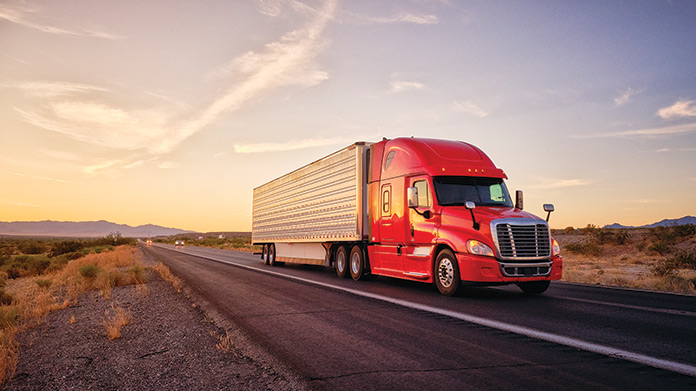
A tractor-trailer or trucking business specializes in hauling large shipments of merchandise via semi-trucks and the railroad system. Companies can range in size from smaller, family-owned businesses to large, international shipping giants.
Our guide is in 3 parts:
Opening and operating your own tractor-trailer business does have some substantial costs to hurdle in the beginning. Buying or leasing tractor-trailers, even used, will require substantial finances. Additionally, you’ll need to account for vehicle maintenance and tires, business insurance and licensing, and other fees required by state and federal agencies. Overall, an initial loan between $20,000 and 50,000 should get your business up and running.
Most of the ongoing expenses are related to the maintenance and upkeep of the trailers and trucks, which can be extensive at times. There will also be annual fees for insurance and business licensing, as well as training and certification for drivers. Additionally, it’s advisable to expand the fleet, when possible, with newer or upgraded equipment.
Depending on your business’s size and scope, you will be looking for businesses that regularly ship freight around the country.
The fees for hauling freight generates revenue for the business.
Depending on the deliveries and the distance traveled, most freight will run between $1-$4 per mile.
Trucking company owner-operator gross revenues can average around $220,000, although these figures include well-established businesses, which can skew the average. These figures may not be reflected in the first years of business, with $60,000-$75,000 being a more realistic average for a trucking owner-operator startup.
Look for clients who want to expand their own business and present them with contracts for long-term service. Stable revenue really helps new businesses.
Without undercutting your competition, look for ways you can reduce business costs and, in turn, pass those savings on to your customers.
To start, operate regionally to avoid too much wear and tear on your fleet and take long driving assignments only when you can haul both ways.
Tractor-trailer businesses specialize in getting customer goods from here to there. Scheduling and routing deliveries and pick-ups is an ever-evolving animal, too, as schedules rarely stay strictly on schedule. A good logistics operator will have backup plans in place to keep things moving forward.
Truck and trailer maintenance and inspections are also critical to keep the fleet operating at full capacity. As a business grows, the hiring and training of new drivers will also become a critical element of day to day activities.
Experience driving big rigs and box trucks is usually a given for a person looking to open up their own business. Driving 18 wheelers takes knowledge and experience to do it properly. And much of this knowledge isn’t taught, but rather picked up from other drivers and long hours behind the wheel. Of course, a good business owner must also have business and finance knowledge, as well. Ideally, a combination of trucking experience and solid business acumen is the best fit.
Tractor-trailer/trucking companies are consistently busy moving goods all over the country, and, with recent developments, there seems to be an even bigger shipping market taking hold. Equally, fuel prices have dropped, as of recent. Many businesses also continue to explore their global commerce possibilities, with shipping availability always a cornerstone of success. The time to think about developing a reliable and profitable tractor-trailer business may be at hand.
Create a strong business plan and stick to it as close as possible. Having a plan and both short and long term goals is more necessary than many can understand. By outlining what you need and where you want to go with your business, you can make informed decisions beforehand and give yourself a much better path to success.
Customers are the ultimate asset. Consider a delivery need that isn’t being met or is underserved. Unless you’re a large, well-funded organization, you will need to develop customers who appreciate your service and, in turn, show loyalty. A strong customer base does so much for your reputation and overall market share.
Extensive, yet selective and strategized advertising and marketing are also necessary when starting out. People need to know about your business, but you don’t want to waste your resources on over-saturated markets or mediums. Look for specific groups to target. Especially online, organizations can be networked into your business with a few keystrokes.
Make your business invaluable and available, especially at first. Grinding for the first two years is often the only way to really gain traction and an attitude that every delivery counts will help you maintain focus on the long term goals.
Your initial team will probably be fairly small, as this is the best way to keep overhead costs low. Many tractor-trailer owners also drive. Start off with enough staff and drivers to keep things running smoothly, but don’t be too eager to grow. A strong business grows when it wants to. When you do add drivers or logistical staff, make sure you have work for them. Building your team starts with them depending on you and grows into you depending on them.
Business Evaluation & Strategy Tool
We'll walk you through the four pillars every business needs: Points of Leverage, Marketing Strategy, Financial Model, and Personal Compatibility. At the end you'll see a personalized report and your action plan below will be tailored to your answers.
Every viable business has natural advantages. Below are common leverage points across four categories. Pick the ones that apply to your Tractor Trailer business. We've pre-suggested a few based on your idea — review and adjust.
Without a way to connect with customers, even great businesses fail. Pick the channels you plan to use to reach your customers.
Enter your monthly baseline costs — the minimum overhead to keep the business running. Then we'll calculate how many sales per month you need to break even.
A business that doesn't fit your life will fail no matter how good the numbers look. Tell us how this business fits you.
Complete the four pillars and your personalized summary will appear here.
Nine concrete steps to take you from idea to open business, grouped into 30-day phases. Complete the planner above and we'll highlight what's most important for your situation.
An LLC keeps your personal assets separate from business debts and lawsuits — the most common reason small business owners choose this structure. Sole proprietorships and partnerships do not provide this protection.
Apply for your free Employer Identification Number through the IRS, then register for any state or local taxes that apply to your business (sales tax, franchise tax).
A dedicated business account is required to maintain personal asset protection. Mixing personal and business finances ('piercing the corporate veil') can void your LLC's liability shield.
Recording expenses and income from day one makes tax filing easier and lets you see when the business is actually profitable. Use software (QuickBooks, Wave) or a part-time bookkeeper.
State and local requirements vary widely. Brick-and-mortar businesses typically need a Certificate of Occupancy; service businesses may need specific professional licensing; food businesses need health permits.
General Liability Insurance is the most common starting point. If you'll have employees, most states require Workers' Compensation. Specific industries need additional coverage (product liability, professional liability, etc.).
Your brand is how customers perceive and remember you. A clear name, logo, and visual identity make every later marketing decision easier and protect you legally as you grow.
Every legitimate business needs a website. Social media pages are not a substitute — you don't own the platform. Modern website builders mean you can launch a clean site in a weekend without a developer.
A dedicated business number keeps your personal life private, makes the business look legitimate, and lets you route calls professionally. Cloud phone services start under $20/month.
Starting a Tractor Trailer business typically costs $50,000 to $500,000. It is considered a very high capital-intensity business.
A Tractor Trailer business runs roughly a 8% net profit margin, and most owners reach break-even in about 4 to 12 months.
You can usually launch a Tractor Trailer business in about 12 to 36 weeks, and it is commonly run flexible.
A Tractor Trailer business is generally an intermediate-skill business to start, with stable demand. TRUiC rates it 33 out of 100 on our Idea Score.
Most Tractor Trailer businesses register as an LLC or other legal entity and obtain a general business license. Depending on your state and city you may also need industry-specific permits, sales tax registration, and zoning or health approvals, so check your local requirements before you launch.