Startup cost
$50k–$500k
TRUiC Business Ideas
Decision Snapshot
Idea Score
39
Startup cost
$50k–$500k
Profit margin
8%
Break-even
4 mo–12 mo
Time to launch
12 wk–36 wk
Demand trend
Rising
5-yr failure rate
—
Capital intensity
Very high
Time commitment
Flexible
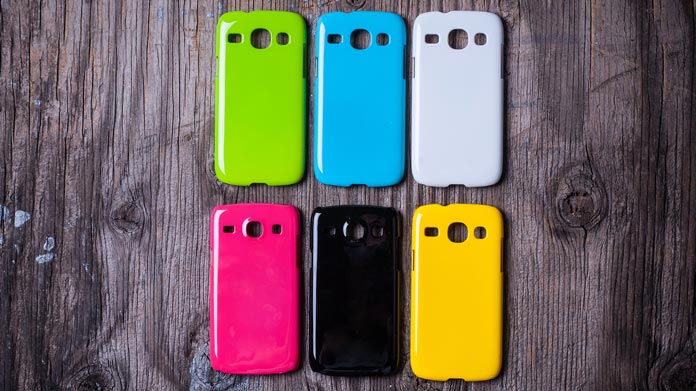
If trends hold steady, there will be an estimated 6 billion smartphones in the world by 2020. This is an incredible opportunity for those who want to break into this market, as there will be increased demand for products to protect these expensive investments from dents, scratches, and breaks. The majority of phone cases are sold online to decrease overhead costs. However, retail storefronts can be a good investment for entrepreneurs depending on the target customers.
Our guide is in 3 parts:
Some states may require a license to start a custom phone case business, with fees varying per state. If you’re looking to just get your foot in the door, you can purchase a start-up kit for around $3,500. These kits come with heating presses (about the size of a regular printer) that can imprint the design you want from a photo or a drawing. Otherwise, you’ll need around $30,000 or so if you’re planning to perform large-scale penetration of the market. You may use that money to partner with a major factory, or to put a down payment on a storefront.
If the cases are dependent on designs you created yourself, your expenses can be kept fairly low. Regardless, you should budget for the following:
Upkeep and maintenance of machinery
Market research
Online sales fees (e.g., Ebay’s cut)
Design production
Booth/storefront supplies and fees
Your ideal customer is a person looking to invest in a product that will protect their device against damage. Those who just want a flashy design may not be willing to pay as much, making the profit margins more difficult to manage. From there, you can start identifying your demographics. For example, if you want to make superhero cases, then your ideal customers may be in high school or college. If you’re making more practical, standard cases, your ideal customer will be older professionals. Luxury cases, like those encrusted with genuine sapphires or rubies, will only be sold to those with enough disposable income. There are lucrative opportunities in every demographic, so long as the customer understands the value of their phone.
Custom phone cases make money by selling phone cases to customers for a profit. Maximizing profit involves reframing how customers see cases. It’s not unreasonable to ask a customer to pay $40 to protect their $700 iPhone. High quality cases can command a premium profit margin (up to 600%).
The market has made it easy for you to charge large profit margins, but it will depend on the type of materials you use and the phone cases you manufacture. Battery cases will cost a lot more to produce than a slim case. As mentioned though, in-demand custom designs can be sold at 600% profit margin. The perceived market value of phone cases is high due to the high cost of the devices these cases are protecting. If a phone case can save a customer from an expensive replacement, then it’s generally worth it to pay the premium for a durable case.
This is one of the most lucrative fields you can currently get into, so profits can be extremely high. If you can sell 1,000 cases a year at $60 at a 400% markup, then you’d have around $45,000 leftover to keep or reinvest in the business.
Custom phone case companies can expand to make laptop or tablet cases, gaming skins, or general phone accessories. For example, you can take generic phone chargers and put your own creative spin on them by providing custom wrapping.
Business owners will need to oversee the manufacturing process, which may or may not include other employees.
Conducting market research on what’s popular
Developing relationships with retail owners
Managing online listings
Advertising and marketing cases either online or in person
Attending events to promote custom designs
Providing or creating new artwork to supply to a manufacturer
Highly artistic people will do well in this business, but you’ll also need some people skills and sales skills to service customers effectively — even if you only work online. Owners need to build relationships through the sites they choose to work with, as well as a reputation for quality designs at a fair price amongst the public.
Custom phone cases will always be needed as new phone sizes are debuted, and as old cases start to wear out. However, you will face some saturation in the market as there are many different manufacturers in the phone case industry.
First, explore the many types of cases that are already on the market. Folio and bumper cases protect the phone screen from scratches, while tough cases protect the whole phone from practically any major force. Slim cases cover only the back of the phone, but appeal to those who don’t want their phone to seem bulky. There are also battery cases that can give the battery a little more juice when the user needs it most.
Offer your best designs upfront: you’ll want to really impress customers right off the bat. Decide on the proper sales channels based on design and case type. You can sell anywhere from Etsy to bridal expos to renaissance fairs to a regular storefront in a shopping plaza. While it’s more convenient to sell online, the profit margins are generally higher when you sell in person.
Owners and entrepreneurs may want to start with virtual sales only, while establishing a local presence at community events or exploring local vendor opportunities. Because phone cases are so portable, it only takes a few minutes to set up a basic booth to display your inventory.
You won’t necessarily need to build a team right away, especially if you outsource your manufacturing or choose to run the machinery you purchased. If you experience a huge influx in orders though, you should be ready to hire someone to assist in customer service and order fulfillment. This can be done on a temporary basis if need be, but ultimately you should have all the mechanisms in place (even if you don’t use them) if you’re planning to expand your business.
Business Evaluation & Strategy Tool
We'll walk you through the four pillars every business needs: Points of Leverage, Marketing Strategy, Financial Model, and Personal Compatibility. At the end you'll see a personalized report and your action plan below will be tailored to your answers.
Every viable business has natural advantages. Below are common leverage points across four categories. Pick the ones that apply to your Custom Phone Case business. We've pre-suggested a few based on your idea — review and adjust.
Without a way to connect with customers, even great businesses fail. Pick the channels you plan to use to reach your customers.
Enter your monthly baseline costs — the minimum overhead to keep the business running. Then we'll calculate how many sales per month you need to break even.
A business that doesn't fit your life will fail no matter how good the numbers look. Tell us how this business fits you.
Complete the four pillars and your personalized summary will appear here.
Nine concrete steps to take you from idea to open business, grouped into 30-day phases. Complete the planner above and we'll highlight what's most important for your situation.
An LLC keeps your personal assets separate from business debts and lawsuits — the most common reason small business owners choose this structure. Sole proprietorships and partnerships do not provide this protection.
Apply for your free Employer Identification Number through the IRS, then register for any state or local taxes that apply to your business (sales tax, franchise tax).
A dedicated business account is required to maintain personal asset protection. Mixing personal and business finances ('piercing the corporate veil') can void your LLC's liability shield.
Recording expenses and income from day one makes tax filing easier and lets you see when the business is actually profitable. Use software (QuickBooks, Wave) or a part-time bookkeeper.
State and local requirements vary widely. Brick-and-mortar businesses typically need a Certificate of Occupancy; service businesses may need specific professional licensing; food businesses need health permits.
General Liability Insurance is the most common starting point. If you'll have employees, most states require Workers' Compensation. Specific industries need additional coverage (product liability, professional liability, etc.).
Your brand is how customers perceive and remember you. A clear name, logo, and visual identity make every later marketing decision easier and protect you legally as you grow.
Every legitimate business needs a website. Social media pages are not a substitute — you don't own the platform. Modern website builders mean you can launch a clean site in a weekend without a developer.
A dedicated business number keeps your personal life private, makes the business look legitimate, and lets you route calls professionally. Cloud phone services start under $20/month.
Starting a Custom Phone Case business typically costs $50,000 to $500,000. It is considered a very high capital-intensity business.
A Custom Phone Case business runs roughly a 8% net profit margin, and most owners reach break-even in about 4 to 12 months.
You can usually launch a Custom Phone Case business in about 12 to 36 weeks, and it is commonly run flexible.
A Custom Phone Case business is generally an intermediate-skill business to start, with rising demand. TRUiC rates it 39 out of 100 on our Idea Score.
Most Custom Phone Case businesses register as an LLC or other legal entity and obtain a general business license. Depending on your state and city you may also need industry-specific permits, sales tax registration, and zoning or health approvals, so check your local requirements before you launch.