Startup cost
$50k–$500k
TRUiC Business Ideas
Decision Snapshot
Idea Score
39
Startup cost
$50k–$500k
Profit margin
14%
Break-even
4 mo–12 mo
Time to launch
12 wk–36 wk
Demand trend
Stable
5-yr failure rate
—
Capital intensity
Very high
Time commitment
Full time
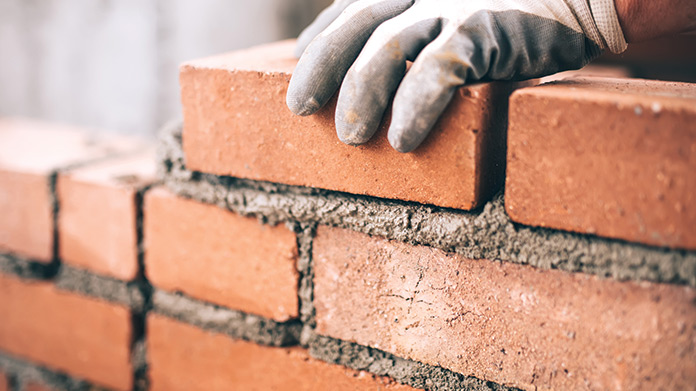
A sustainable construction materials business specializes in offering alternatives to traditional building materials. Whether recycled or reclaimed, such as steel or hardwoods, or harvested biomass, such as bamboo, straw or hemp, sustainable building materials companies are creating eco-safe options for our changing world.
Our guide is in 3 parts:
Although you will house some materials, you can start out as more of a distributor for sustainable materials. You’ll need a warehouse to stage orders and store some materials. You’ll also need some delivery trucks and flatbed semi or two, if you deliver large items, such as fully-built trusses or steel beams. You will also need to set up an office for logistics involving deliveries and receipts. As you grow in size, you may need more warehouse space and an expanded fleet of delivery vehicles.
Most ongoing expenses are maintaining delivery vehicles and rent/mortgage on warehouses. Employee salaries and licensing and insurance will also regularly factor into annual expenses.
Your target market will be building and construction managers who are looking for new and improved methods for construction. Sustainable options are comparable in price, sometimes better. Look for construction companies which mirror your own eco-friendly ideals.
Sustainable construction materials businesses sell to contractors and clients in and associated with the building and construction industry.
Material prices will fluctuate between type and market value. Most sustainable materials are very comparably priced to traditional materials.
Sustainable construction materials companies can make a decent earning, once established. A successful company selling to residential and commercial crews can earn six figures annually.
Some sustainable building supply houses get in the business of reclaiming items from buildings set for demolition. Pulling seasoned lumber, stone and metal materials out for resale can offer another form of revenue and continues to close the waste circuit.
Most days will involve receiving, processing, and shipping orders for customers. The logistics department of your business will be critical. Additionally, you may be servicing some customers who visit your brick and mortar, if you operate a storefront. Finally, there will be a constant conversation with your vendors and suppliers to make sure products are in stock and available for shipping.
What are some skills and experiences that will help you build a successful sustainable construction materials business?
Building materials are always evolving and becoming better in quality and price. But, many current standards took a while to gain traction. Having strong communicative abilities will be necessary to promote your materials to new and existing customers. Part of that ability will lie in your knowledge of existing building materials. It is necessary to have extensive background knowledge of building materials and techniques to most effectively explain comparisons and critiques of sustainable building materials.
Currently, quite a few industries are experiencing a shift towards Green and renewable resources or practices. Awareness of natural resources is heightened and many future economists and prognosticators understand that traditional building methods aren’t nearly sustainable or energy efficient enough to continue past the near future.
The issue becomes selling new products to traditional-minded consumers. Lumber, cement, and brick have been building standards for so long, that the thought of using straw or hay seems unrealistic. This is where your growth potential exists, as the public has to be educated to the new possibilities, strengths, and applications of sustainable building materials.
With this in mind, growth predictions are positive, as long as the industry can sell itself.
Conduct solid market research before launching this business! Although building materials are needed everywhere, some regions are going to be more resistant to these materials. Make sure you size your business, accordingly. If demand is specialized, offer half sustainable and half traditional.
Find what is missing in your market and target those areas.
Some cities have areas of town which specialize in renovations and historic preservations. You may want to consider more reclaimed wood options to meet the demands.
Become an expert in the building materials you offer.
Create a website and social media presence to show off all of the things these new products can do, how similar they are to traditional, and how much superior they are to traditional materials.
Initially, you may be able to operate with a small staff, especially if you’re going to perform some of the deliveries and manage the office. Let your business exist successfully for three months before revisiting the idea of hiring more crew.
Business Evaluation & Strategy Tool
We'll walk you through the four pillars every business needs: Points of Leverage, Marketing Strategy, Financial Model, and Personal Compatibility. At the end you'll see a personalized report and your action plan below will be tailored to your answers.
Every viable business has natural advantages. Below are common leverage points across four categories. Pick the ones that apply to your Sustainable Construction Materials business. We've pre-suggested a few based on your idea — review and adjust.
Without a way to connect with customers, even great businesses fail. Pick the channels you plan to use to reach your customers.
Enter your monthly baseline costs — the minimum overhead to keep the business running. Then we'll calculate how many sales per month you need to break even.
A business that doesn't fit your life will fail no matter how good the numbers look. Tell us how this business fits you.
Complete the four pillars and your personalized summary will appear here.
Nine concrete steps to take you from idea to open business, grouped into 30-day phases. Complete the planner above and we'll highlight what's most important for your situation.
An LLC keeps your personal assets separate from business debts and lawsuits — the most common reason small business owners choose this structure. Sole proprietorships and partnerships do not provide this protection.
Apply for your free Employer Identification Number through the IRS, then register for any state or local taxes that apply to your business (sales tax, franchise tax).
A dedicated business account is required to maintain personal asset protection. Mixing personal and business finances ('piercing the corporate veil') can void your LLC's liability shield.
Recording expenses and income from day one makes tax filing easier and lets you see when the business is actually profitable. Use software (QuickBooks, Wave) or a part-time bookkeeper.
State and local requirements vary widely. Brick-and-mortar businesses typically need a Certificate of Occupancy; service businesses may need specific professional licensing; food businesses need health permits.
General Liability Insurance is the most common starting point. If you'll have employees, most states require Workers' Compensation. Specific industries need additional coverage (product liability, professional liability, etc.).
Your brand is how customers perceive and remember you. A clear name, logo, and visual identity make every later marketing decision easier and protect you legally as you grow.
Every legitimate business needs a website. Social media pages are not a substitute — you don't own the platform. Modern website builders mean you can launch a clean site in a weekend without a developer.
A dedicated business number keeps your personal life private, makes the business look legitimate, and lets you route calls professionally. Cloud phone services start under $20/month.
Starting a Sustainable Construction Materials business typically costs $50,000 to $500,000. It is considered a very high capital-intensity business.
A Sustainable Construction Materials business runs roughly a 14% net profit margin, and most owners reach break-even in about 4 to 12 months.
You can usually launch a Sustainable Construction Materials business in about 12 to 36 weeks, and it is commonly run full time.
A Sustainable Construction Materials business is generally an intermediate-skill business to start, with stable demand. TRUiC rates it 39 out of 100 on our Idea Score.
Most Sustainable Construction Materials businesses register as an LLC or other legal entity and obtain a general business license. Depending on your state and city you may also need industry-specific permits, sales tax registration, and zoning or health approvals, so check your local requirements before you launch.