Startup cost
$15k–$400k
TRUiC Business Ideas
Decision Snapshot
Idea Score
38
Startup cost
$15k–$400k
Profit margin
3%
Break-even
4 mo–12 mo
Time to launch
12 wk–36 wk
Demand trend
Rising
5-yr failure rate
—
Capital intensity
Very high
Time commitment
Full time
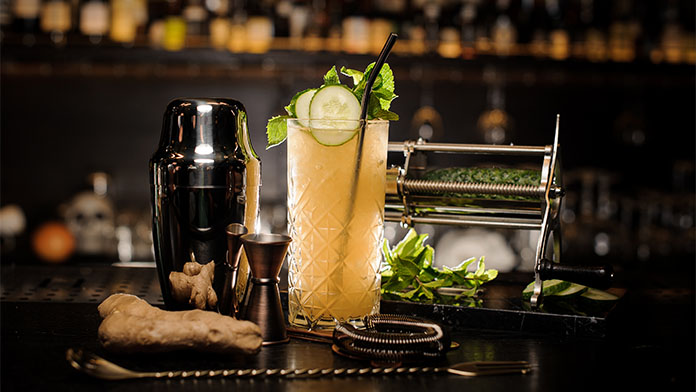
The speakeasy bar, also known as a blind tiger or blind bar, was first introduced in the 1920s during the Prohibition Era. During this time, the manufacturing, transportation, and sale of alcohol was illegal. Bar owners circumnavigated these laws by charging a fee for an attraction, with a “complimentary” drink offering. While speakeasies largely disappeared after Prohibition ended, many patrons are still attracted to these exclusive, tucked away retro-style bars with uniquely blended cocktails.
Our guide is in 3 parts:
Your startup costs are directing tied to geographical location. A 2,000 square foot building, including buildout and supplies will generally require from $100,000 to upwards of $1 million, with $400,000 being the average, depending on your location. In certain areas a space this size can go for as much as $1.5 million. Once you’ve found your location, you will need to make any necessary additions and repairs, a point-of-sale (POS) system, and decorate with your speakeasy’s theme. Once you have obtained your liquor license, which ranges anywhere from $15,000 to $400,000, you will also need to invest in glassware and liquor to stock the shelves. Successful speakeasy bar owners encourage new investors to over-capitalize. Overestimate how much you will need, and add 20% to that number.
In addition to the standard expenses most establishments face, such as utilities, phone, and payroll, you will need to restock the shelves with liquor and supplies to mix quality drinks. Maintenance and cleaning should be addressed daily and broken glassware will need to be replaced regularly. Lastly, a good marketing strategy will help keep guests coming back and good insurance ensures your business is protected should an unfortunate event occur.
Patrons of your establishment will enjoy beverages and the atmosphere of a speakeasy bar. They range in age from young to retired professionals who are looking for something different and a little more exclusive than your neighborhood sports bar.
A speakeasy bar generates money from the drinks sold to customers. Some offer additional services like live entertainment, food, and/or games.
Pricing varies, depending upon geographical location, ingredients, and overhead costs. A cocktail in New York City can cost up to $20, while a speakeasy drink in a smaller city may run $12 before tip.
Entrepreneurs in the hospitality industry suggest planning on breaking even by your third year. While factors such as size and location should be considered, the average revenue generated each week is between $20,000 and $30,000. This adds up to more than $1 million, before expenses, annually. New owners, however, are encouraged to keep as much cash available after expenses are paid, as maintenance and other unforeseen events do occur.
Increase your earnings by hosting special events, selling branded merchandise, and creating special nights that appeal to your patrons. Many speakeasy bars have found success offering limited food options and having live entertainment. Even if you decide not to charge an entry fee when live bands are performing, they could draw in a set of patrons that might not have frequented your establishment before.
The standard workday for a speakeasy bar owner starts in the early afternoon, where you will review the nightly reports, handle accounting, check on inventory, order supplies, and restock shelves for the evening. If any issues came up the night before, such as a broken sink or sound equipment, those must be addressed before patrons start lining the bar. The last thing you will do before leaving is check in with your bar manager for a status report. Interacting with patrons is also a necessary and critical part of your job.
As previously mentioned, extensive industry knowledge and business management skills will go a long way in leading your speakeasy to success. Some owners choose to act as bartenders, while others hire a staff. Whichever path you choose, understanding liquors and how they blend with other ingredients will allow you to create a unique drink menu that draws in repeat customers. Strong interpersonal skills are critical, as you will interact with patrons, staff, and distributors. An understanding of industry trends will help keep your speakeasy on the cutting edge and ensure a hospitable environment.
Mixology has gained popularity over the last decade, opening up new opportunities for speakeasy-type bars. To ensure your bar stands out from the competition, owners are encouraged to create a unique atmosphere and offer specialty drinks. This, coupled with the right location, will offer enough opportunity to meet your growth goals.
While you may feel confident that you can run the entire establishment yourself, new entrepreneurs are encouraged to invest in an experienced bar manager. This hands-on experience will help in managing the staff and patrons, ensuring your vision comes to fruition. Your liquor license can be one of the most difficult and costly investments. Get involved in the community and attend meetings. Communicating your vision and intentions and listening to their concerns will go a long way in obtaining the license. Lastly, expect the unexpected. Be prepared for the inevitable, because if it can go wrong at some point, it will.
It is critical that you have a staff that is professional, yet fun, capable of ensuring a quality experience for each patron. Experienced speakeasy business owners recommend retaining an attorney when working to obtain your liquor license, as every detail must be addressed. As mentioned, it is also important to hire an experienced bar manager, particularly if you do not possess the hands-on experience needed to run a successful bar.
Business Evaluation & Strategy Tool
We'll walk you through the four pillars every business needs: Points of Leverage, Marketing Strategy, Financial Model, and Personal Compatibility. At the end you'll see a personalized report and your action plan below will be tailored to your answers.
Every viable business has natural advantages. Below are common leverage points across four categories. Pick the ones that apply to your Speakeasy Bar business. We've pre-suggested a few based on your idea — review and adjust.
Without a way to connect with customers, even great businesses fail. Pick the channels you plan to use to reach your customers.
Enter your monthly baseline costs — the minimum overhead to keep the business running. Then we'll calculate how many sales per month you need to break even.
A business that doesn't fit your life will fail no matter how good the numbers look. Tell us how this business fits you.
Complete the four pillars and your personalized summary will appear here.
Nine concrete steps to take you from idea to open business, grouped into 30-day phases. Complete the planner above and we'll highlight what's most important for your situation.
An LLC keeps your personal assets separate from business debts and lawsuits — the most common reason small business owners choose this structure. Sole proprietorships and partnerships do not provide this protection.
Apply for your free Employer Identification Number through the IRS, then register for any state or local taxes that apply to your business (sales tax, franchise tax).
A dedicated business account is required to maintain personal asset protection. Mixing personal and business finances ('piercing the corporate veil') can void your LLC's liability shield.
Recording expenses and income from day one makes tax filing easier and lets you see when the business is actually profitable. Use software (QuickBooks, Wave) or a part-time bookkeeper.
State and local requirements vary widely. Brick-and-mortar businesses typically need a Certificate of Occupancy; service businesses may need specific professional licensing; food businesses need health permits.
General Liability Insurance is the most common starting point. If you'll have employees, most states require Workers' Compensation. Specific industries need additional coverage (product liability, professional liability, etc.).
Your brand is how customers perceive and remember you. A clear name, logo, and visual identity make every later marketing decision easier and protect you legally as you grow.
Every legitimate business needs a website. Social media pages are not a substitute — you don't own the platform. Modern website builders mean you can launch a clean site in a weekend without a developer.
A dedicated business number keeps your personal life private, makes the business look legitimate, and lets you route calls professionally. Cloud phone services start under $20/month.
Starting a Speakeasy Bar business typically costs $15,000 to $400,000. It is considered a very high capital-intensity business.
A Speakeasy Bar business runs roughly a 3% net profit margin, and most owners reach break-even in about 4 to 12 months.
You can usually launch a Speakeasy Bar business in about 12 to 36 weeks, and it is commonly run full time.
A Speakeasy Bar business is generally an intermediate-skill business to start, with rising demand. TRUiC rates it 38 out of 100 on our Idea Score.
Most Speakeasy Bar businesses register as an LLC or other legal entity and obtain a general business license. Depending on your state and city you may also need industry-specific permits, sales tax registration, and zoning or health approvals, so check your local requirements before you launch.