Startup cost
$25k–$250k
TRUiC Business Ideas
Decision Snapshot
Idea Score
44
Startup cost
$25k–$250k
Profit margin
3%
Break-even
4 mo–12 mo
Time to launch
12 wk–36 wk
Demand trend
Rising
5-yr failure rate
—
Capital intensity
Very high
Time commitment
Full time
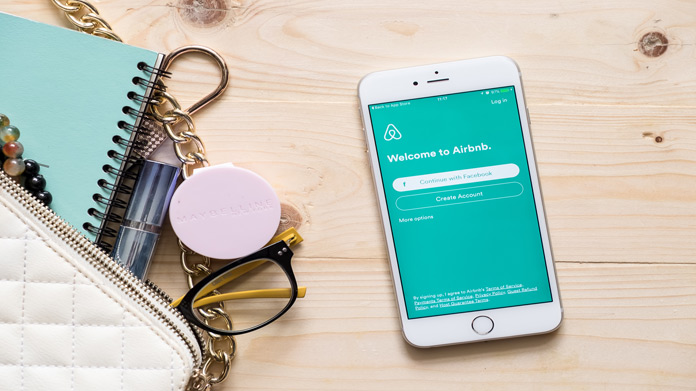
An Airbnb business supplies guests with a place to stay within a person’s home. Many travelers are looking for lodging which is a little more personal and unique. Airbnb rentals offer a home feel, versus that of a hotel or motel. Guests may stay as short as one or two days or extended stays up to two weeks.
You may also be interested in additional side hustle ideas.
Our guide is in 3 parts:
Because you’re renting out your own space(s), much of the costs involved will be maintenance and necessary upgrades. Cleaning supplies and amenities for guests will also be a relatively inexpensive cost, depending on what you offer. Airbnb also charges some fees to the renter and customer.
Business costs include:
Guest service fee: Guests are charged 6%-12% fee, through Airbnb, whenever they reserve a space.
Renter service fee: The renter is charged 3% fee any time a space is rented through their site. This is subtracted from the reservation subtotal.
Security deposit: This charge is a deposit from the customer to you to cover any damages, repairs or lost items, such as keys.
If you offer amenities, such as coffee, tea, or snacks, you’ll need to replenish after each guest.
Any new or used furniture to add to the comfort of your guest’s stay will also fluctuate, depending on necessity.
Regularly re-stocking amenities in your rental(s) and periodically updating towels and linens will constitute a portion of your expenses. Any repairs, cleaning services, or maintenance fees will be incurred, as needed.
Typical customers for Airbnb spaces are looking for a more personal touch than a hotel/motel. They may also be looking for a space in an area that doesn’t have hotels available. Most customers are looking for a brief stay, usually between 2 and 5 days. For renters who offer their entire home, the clientele may be groups staying for special events, such as business trips or seminars, large sporting events, or music/concert events in the area.
Airbnb renters make money through the rental of rooms in their house or the whole house. Renters will pay a daily rental fee. Some renters may choose to charge different rates for weekdays and weekends or for extended stays versus a few days.
Rental rates vary, depending on the size of the rental and the location. Most rates are comparable to hotel rates in the area, but you will need to conduct some market research to determine what the appropriate rates are for your area.
Your Airbnb business will generate profit, based on the number of customer rentals. For instance, a customer rental, booked three times a week at a rate of $100 per booking would generate $16,000 net, annually. The rental rates can fluctuate considerably, depending on the location, so check out comparable rentals in your area, when string pricing.
An Airbnb business makes its money off of the renter’s reputation and customer reviews. Therefore, interacting with customers is a must. Return customers and long-term customers can be a great bonus, once you’re established as a valued renter. Remember to keep your rental updated and the photos on your page should be updated to reflect the positive attributes of your rental. Finally, take advantage of social media and market yourself in your own spaces. Reaching customers and having them return is key to a successful business.
Airbnb businesses are very popular right now, so demand is fairly high. Once you are registered with Airbnb and have listed your space, you will begin to see requests from potential renters. Your job will be to manage the rental requests, interact with potential customers, and make your rental space as hospitable and customer-ready as possible.
Advertise your space through your pictures and descriptions on the Airbnb site.
Be detailed in your listing and discuss all of the pros (and potential cons) of your space.
Take clear pictures that show off the space, yet also let customers know exactly what to expect.
Research surrounding rentals to learn what customers like and don’t like. Read the reviews, as well, and understand your customer base.
Clean the space regularly and update with modern amenities, whenever needed.
List nearby attractions, events, and activities for potential renters.
You want to be a good host, yet unobtrusive at the same time. By explaining much of the particulars up front, you will have given your guests much of the information they need before they arrive. Once they are staying, be available, yet respectful of the renters and rental space.
To be a successful renter of Airbnb spaces, you should be a personable individual, who is comfortable interacting with others. If you have any experience in the hotel, service, or even retail industries, the Airbnb business may be a good fit. You should also be adept at balancing your finances and resources, pertaining to the rentals. It would also prove beneficial if you were able to perform handyman services around the house, in order to make minor repairs or upgrades, without paying an outside source. Photography and writing skills will also come into play, as your description and accompanying photos will be your advertisement for your rental space.
Airbnb rentals are fairly popular currently and seem to be gaining popularity daily. Many renters have moved to Airbnb rentals over the traditional tenant/landlord situations. The profits for Airbnb rentals are larger than annual/semiannual rental agreements and the wear and tear of the space is often significantly diminished.
Getting started in the Airbnb business is fairly easy. Managing customers is the real trick. Here are some pro tips from successful Airbnb entrepreneurs:
Keep your rental space clean and renter-ready at all times. This includes the outside of your home. Appearance rates are high in customer satisfaction.
Offer amenities that enhance the customer’s experience.
Provide information about local attractions to help show off your region and promote return visits.
Respond to customer inquiries regularly. Your response rate will tell Airbnb you’re interacting with the customers and will build up your customer satisfaction stats.
Maintain a good acceptance rate and always have an up-to-date booking calendar. The acceptance rate refers to how many bookings you regularly accept. The calendar helps potential customers to determine when your space is available. Both of these customer features will help streamline the process. Happy customers leave happy reviews.
Make your rates competitive, yet fair. The lowest price isn’t always the best, so do your research to determine an average price for similar rooms/rentals in your area.
When in doubt, refer to Airbnb’s help center. An extensive and growing database of related information for customers and renters.
Much of the team for an Airbnb will be yourself and possibly a few other family members, friends, or professionals, such as plumbers or electricians. Some Airbnb renters also hire cleaning services to tidy up after a customer has vacated. If you decide to take on multiple properties, you may want to delegate a chain of command, in case you are not available or in the area. Have emergency contacts for your renters, so any problems can be solved quickly and efficiently.
Business Evaluation & Strategy Tool
We'll walk you through the four pillars every business needs: Points of Leverage, Marketing Strategy, Financial Model, and Personal Compatibility. At the end you'll see a personalized report and your action plan below will be tailored to your answers.
Every viable business has natural advantages. Below are common leverage points across four categories. Pick the ones that apply to your Airbnb business. We've pre-suggested a few based on your idea — review and adjust.
Without a way to connect with customers, even great businesses fail. Pick the channels you plan to use to reach your customers.
Enter your monthly baseline costs — the minimum overhead to keep the business running. Then we'll calculate how many sales per month you need to break even.
A business that doesn't fit your life will fail no matter how good the numbers look. Tell us how this business fits you.
Complete the four pillars and your personalized summary will appear here.
Nine concrete steps to take you from idea to open business, grouped into 30-day phases. Complete the planner above and we'll highlight what's most important for your situation.
An LLC keeps your personal assets separate from business debts and lawsuits — the most common reason small business owners choose this structure. Sole proprietorships and partnerships do not provide this protection.
Apply for your free Employer Identification Number through the IRS, then register for any state or local taxes that apply to your business (sales tax, franchise tax).
A dedicated business account is required to maintain personal asset protection. Mixing personal and business finances ('piercing the corporate veil') can void your LLC's liability shield.
Recording expenses and income from day one makes tax filing easier and lets you see when the business is actually profitable. Use software (QuickBooks, Wave) or a part-time bookkeeper.
State and local requirements vary widely. Brick-and-mortar businesses typically need a Certificate of Occupancy; service businesses may need specific professional licensing; food businesses need health permits.
General Liability Insurance is the most common starting point. If you'll have employees, most states require Workers' Compensation. Specific industries need additional coverage (product liability, professional liability, etc.).
Your brand is how customers perceive and remember you. A clear name, logo, and visual identity make every later marketing decision easier and protect you legally as you grow.
Every legitimate business needs a website. Social media pages are not a substitute — you don't own the platform. Modern website builders mean you can launch a clean site in a weekend without a developer.
A dedicated business number keeps your personal life private, makes the business look legitimate, and lets you route calls professionally. Cloud phone services start under $20/month.
Starting an Airbnb business typically costs $25,000 to $250,000. It is considered a very high capital-intensity business.
An Airbnb business runs roughly a 3% net profit margin, and most owners reach break-even in about 4 to 12 months.
You can usually launch an Airbnb business in about 12 to 36 weeks, and it is commonly run full time.
An Airbnb business is generally an intermediate-skill business to start, with rising demand. TRUiC rates it 44 out of 100 on our Idea Score.
Most Airbnb businesses register as an LLC or other legal entity and obtain a general business license. Depending on your state and city you may also need industry-specific permits, sales tax registration, and zoning or health approvals, so check your local requirements before you launch.