Startup cost
$2k–$10k
TRUiC Business Ideas
Decision Snapshot
Idea Score
73
Startup cost
$2k–$10k
Profit margin
41%
Break-even
4 mo–12 mo
Time to launch
2 wk–8 wk
Demand trend
Stable
5-yr failure rate
—
Capital intensity
Medium
Time commitment
Flexible
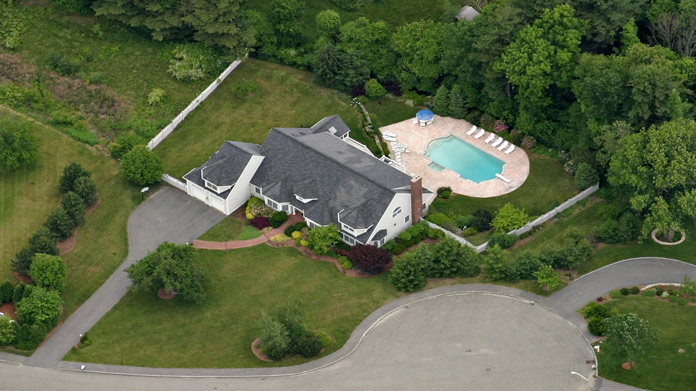
This business consists of an individual, or a team, who are hired to take quality pictures of properties for sale. The purpose is to attract potential buyers who view the property online. Due to the competitive nature of the real estate industry, the demand for quality property photos is elevated and perpetual. Proper lighting and point of view helps a property stand out above the competition, driving potential buyers to view the property.
Our guide is in 3 parts:
While the growth potential is high, many business owners start out as the sole photographer. This eliminates the need for a physical location, decreasing initial start-up and overhead costs. Industry leaders indicate a budget of $10,000 or less should be sufficient.
To get started, you will need the following items:
Camera – While you do not need a top-of-the-line model, make sure it has the ability to change out lenses and add a cable release, flash, and wireless trigger.
Wide and ultra-wide angle lens
Flashes – You will need several, designed for different sized spaces.
Light stands
Tripod
Editing software – Adobe Photoshop Lightroom and the SLR Lounge Lightroom Preset System come highly recommended
Dropbox or other file-sharing software
Insurance
There are a number of franchise opportunities available in this industry as well. While start-up costs are higher, this provides additional resources to investors that could help accelerate enterprise growth. Franchising costs range from $15,500 to $45,000.
Until you decide to open a home office, your overhead expenses are fairly minimal. Items you should budget for include:
Website maintenance – $100 to $1,200 annually
Accounting software – up to $300 per year
Editing software – $48 to $150 per year
Business insurance
Fuel costs
Marketing materials
Payroll and payroll taxes – hire photographers on a freelance basis to reduce insurance exposure and payroll expenses.
Your customers all have one thing in common – they are trying to sell their home or commercial property. They understand the value of publishing quality photos and include this as an essential part of their real estate budget.
Real estate photographers generate revenue from each shoot and photo delivery. Most charge according to the type of property. When photographing personal property for real estate agents, they are paid prior to or on a shoot and based on the number of images which have been contracted to provide. For commercial clients, a deposit is paid upfront. The remaining balance is invoiced to the customer upon delivery of images.
Pricing varies from $80 to $500 per shoot, depending upon the size of the property being photographed and what part of the country you reside. This includes the photo shoot and delivery of twenty-five to fifty edited photos. Novice real estate photographers are urged to carefully consider their pricing. Undercutting the competition only devalues the entire profession.
Like most startup businesses, it can take one to three years to realize a significant profit. Independent real estate photographers average an annual profit of $50,000, with many exceeding $90,000 per year. Considering the low overhead costs, profits stand to climb exponentially for each freelancer/employee you add to your team.
There are a number of strategies you can implement to maximize your organization’s profits:
Extend your services to include photos intended for magazines, ads, and other promotional materials. Businesses that might benefit from your work include: builders, resorts, hotels, home stagers, interior designers, restaurants, and nightclubs.
Partner with property management companies in the community.
Approach local magazines and offer your services for their regular publications.
Research what areas of the country are in need of real estate photographers and open satellite offices there.
Teach photography classes and host seminars.
Offer online classes.
Offer instructional videos.
Your time will be split between running the business and being out in the field shooting photos. A typical week will include the following activities:
Meeting with clients to confirm what parts of the structure they need photographed and if they have any special requests or needs for the photo shoot.
Surveying property prior to a shoot to get an idea of lighting, time of day for exterior shots, etc.
Identifying the best angle for each shot and staging the area.
Editing photos
Sharing photos with client
Following up with client to ensure they received images
Re-shooting or re-editing images
Administrative work – Entering information into accounting software and paying bills/payroll
Marketing and networking – Checking in with past clients to see if they have any other properties that need to be photographed, attending realtor’s meetings, and calling real estate agents and businesses, reminding them of the services you offer.
Real estate photography requires an eye for detail, architecture, and lighting. These skills will help deliver photos that require little editing and ensure a smooth post-processing experience. Professionals must possess strong communication skills and should be able to work under the pressure of deadlines.
Individuals who are looking to improve their photography and editing skills should visit Photography for Real Estate. This site offers a number of eBooks, workshops, and videos specific to this industry. They also offer coaching, monthly photo contests, and a flickr group, which is an open forum, designed to provide feedback from the industry’s most successful photographers. Additionally, Real Estate Photographers of America & International (REPAI) has proven to be an invaluable resource, providing advice regarding both photography and the business aspect of growing your enterprise.
Since your long-term success requires a balance between your photography prowess and business acumen, novice entrepreneurs are urged to take a business planning course before getting started.
A growing number of real estate consumers are realizing that professional-quality staging and photography can add value to a real estate listing. For this reason, the demand for real estate photographers is high, allowing businesses to decide for themselves exactly how much volume they accept.
Before entering the industry, however, photographers are advised to research their area to define market saturation and identify specific industry needs that are not currently being met. To further expand their businesses, many business owners have opened satellite offices in other areas of the country.
Before getting started, consider these insider tips from experienced real estate photographers:
Prior to the shoot, send each client a task list. This should include suggestions on how to prep the property.
Plan ahead for the seasonal lulls. From November to January and August to September, the work will be inconsistent. With the right marketing strategy in place, you should be able to find work year round.
Always work to sharpen your photography skills by shooting every day, regardless of the subject, and trying strategies.
Be flexible. You may have to revisit a property multiple times to capture proper lighting.
Carefully review their rules before partnering with a large real estate company. Many of them require a non-compete contract and offer minimal compensation for your work.
While you don’t need the most expensive equipment, make sure you’ve invested in a Digital Single-lens Reflex (DSLR) camera, an ultra-wide angle lens, and a tripod.
Provide your clients with both web-based and full resolution photos.
In real estate, timing is everything. Consistently offer quick turnaround on your jobs.
To ensure you are properly compensated, require clients sign a contract that defines the details of your job, as well as what you require of them.
Google Maps and Google Earth are great tools for determining the best time of day to shoot the outside of the property.
The size of your team should be consistent with the amount of business available. When your organization is busy enough to warrant hiring employees, conduct a thorough background check on each candidate. It is your job to ensure your clients and their possessions are safe from your company’s representatives.
Business Evaluation & Strategy Tool
We'll walk you through the four pillars every business needs: Points of Leverage, Marketing Strategy, Financial Model, and Personal Compatibility. At the end you'll see a personalized report and your action plan below will be tailored to your answers.
Every viable business has natural advantages. Below are common leverage points across four categories. Pick the ones that apply to your Real Estate Photography business. We've pre-suggested a few based on your idea — review and adjust.
Without a way to connect with customers, even great businesses fail. Pick the channels you plan to use to reach your customers.
Enter your monthly baseline costs — the minimum overhead to keep the business running. Then we'll calculate how many sales per month you need to break even.
A business that doesn't fit your life will fail no matter how good the numbers look. Tell us how this business fits you.
Complete the four pillars and your personalized summary will appear here.
Nine concrete steps to take you from idea to open business, grouped into 30-day phases. Complete the planner above and we'll highlight what's most important for your situation.
An LLC keeps your personal assets separate from business debts and lawsuits — the most common reason small business owners choose this structure. Sole proprietorships and partnerships do not provide this protection.
Apply for your free Employer Identification Number through the IRS, then register for any state or local taxes that apply to your business (sales tax, franchise tax).
A dedicated business account is required to maintain personal asset protection. Mixing personal and business finances ('piercing the corporate veil') can void your LLC's liability shield.
Recording expenses and income from day one makes tax filing easier and lets you see when the business is actually profitable. Use software (QuickBooks, Wave) or a part-time bookkeeper.
State and local requirements vary widely. Brick-and-mortar businesses typically need a Certificate of Occupancy; service businesses may need specific professional licensing; food businesses need health permits.
General Liability Insurance is the most common starting point. If you'll have employees, most states require Workers' Compensation. Specific industries need additional coverage (product liability, professional liability, etc.).
Your brand is how customers perceive and remember you. A clear name, logo, and visual identity make every later marketing decision easier and protect you legally as you grow.
Every legitimate business needs a website. Social media pages are not a substitute — you don't own the platform. Modern website builders mean you can launch a clean site in a weekend without a developer.
A dedicated business number keeps your personal life private, makes the business look legitimate, and lets you route calls professionally. Cloud phone services start under $20/month.
Starting a Real Estate Photography business typically costs $2,000 to $10,000. It is considered a medium capital-intensity business.
A Real Estate Photography business runs roughly a 41% net profit margin, and most owners reach break-even in about 4 to 12 months.
You can usually launch a Real Estate Photography business in about 2 to 8 weeks, and it is commonly run flexible.
A Real Estate Photography business is generally an intermediate-skill business to start, with stable demand. TRUiC rates it 73 out of 100 on our Idea Score.
Most Real Estate Photography businesses register as an LLC or other legal entity and obtain a general business license. Depending on your state and city you may also need industry-specific permits, sales tax registration, and zoning or health approvals, so check your local requirements before you launch.