Startup cost
$4k–$12k
TRUiC Business Ideas
Decision Snapshot
Idea Score
69
Startup cost
$4k–$12k
Profit margin
21%
Break-even
4 mo–12 mo
Time to launch
2 wk–8 wk
Demand trend
Stable
5-yr failure rate
—
Capital intensity
Medium
Time commitment
Full time
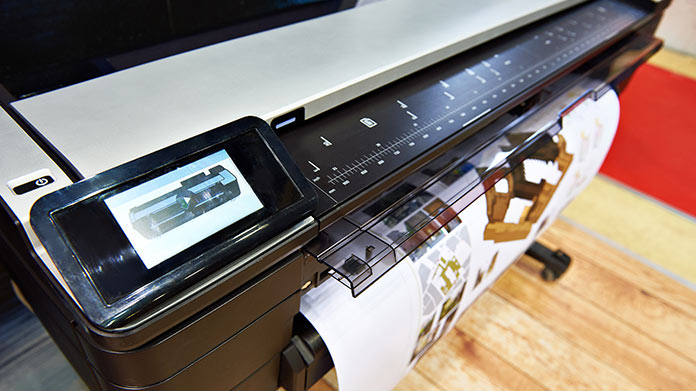
Printing shops offer a variety of print and copy services to the public. This includes online printing, direct mail, and business printing. Most printing stores offer additional services to the public, depending upon the specific needs within the community.
You may also be interested in additional low cost business ideas.
Our guide is in 3 parts:
Before identifying your budgetary needs, you must first determine the exact services you intend to offer. Industry leaders report spending between $146,000 and $400,000. Your initial investment will include the following:
Location – Many novice printers start out working out of their homes. To realize significant success, however, a storefront location is recommended. To offer a full menu of services, you will need enough space to house all your printing equipment and enough workspace to spread out and work on multiple projects at once. Start-up costs for your brick and mortar will include first and last month’s rent and a security deposit, which could range from $4,000 to $12,000, depending upon location.
Electrical upgrades – Prior to opening your doors and testing out equipment, make sure you have an electrician out to inspect your shop’s electrical needs.
If you want to do digital printing, you need to start out with $300k-$400k and will need to get the electric upgraded in your new shop
Equipment – The equipment you invest in will be defined by the specifics of the services you offer. This could include: embossing machine, offset printing press, plate maker, color copier, standard copier, laminator, and finishing equipment. Each item ranges from $1,500 to $12,000 in cost, but can be purchased used for a fraction of the cost. To save on start-up costs, many entrepreneurs choose to lease the equipment, paying for their equipment over time.
Computers – You will need at least one computer to handle your design and administrative needs. Many print shops also invest in at least one floor computer, which can be used by clients for a by-the-minute fee.
Software – Design software such as Adobe, should also be purchased. Many software companies now offer software licensing for a monthly fee. It is also recommended that you invest in business management and accounting software, to insure proper management of your organization.
Franchise fees – Entrepreneurs realizing significant profits report having invested in a franchise such as The UPS Store or PostNet. While start-up costs are higher, the expertise and support of industry leaders has proven invaluable.
Website
Insurance
Marketing materials
In addition to the standard overhead costs that come with running a business, there are a number of items you will need to budget for each month:
Design software – Software vendors offer monthly contracts, ranging anywhere from $30 to $150/month, depending upon the product and your specific needs.
Equipment leasing fees – Varies depending upon a variety of factors
Maintenance and replacement of equipment
Materials
Payroll costs
Insurance
Break-even monthly sales average between $10,000 and $15,000 a month, with approximately half of that going to materials. This number varies, depending upon your area.
The most successful print shops target a number of different audiences including: small businesses, large businesses, and individuals. While each group will require a slightly different marketing strategy, this diversity sets your business up for greater success.
Print shops generate revenue from each account they attend to. The more services your store offers, the better you’re able to thrive and serve the needs of your community.
Fee specifics will vary from project to project, depending upon the specific needs of the client, the intricacies of the project, and how much printing the client needs. As indicated, working with reputable vendors will help insure quality products at a fair price. Business owners who pass that savings on to their clients will gain a loyal following.
New print shop owners are urged to plan for one to three years of little to no profit. This offers ample time to develop relationships with clients and vendors, and establish a name for yourself within the community. Business owners in larger cities realize quicker profits than those from smaller communities.
While quality work will help your profits grow year-by-year, there are a number of additional services you can provide to accelerate growth:
Expand your target audience to include online customers
Offering premier services, such as delivery, will make your business more memorable
Sell office supplies and products
Offer additional services such as notary, passport/ID photos, and shredding
Many print shops have also found success offering packaging services and partnering with the postal service and other shipping companies. PO boxes have also proven to increase annual profits.
Since your print shop will likely offer a wide variety of services, each day will be fast-paced and very different from the last. Modern day print shops typically offer the following:
Professional small business printing – digital printing, offset printing, binding, laminating, and other document finishing services.
Online printing – client uploads and submits documents for printing and finishing.
Personal and professional copying – both self and full service
Package and mail services
In addition to managing your client’s printing needs, you will also want to dedicate a portion of your time to your own business’ demands. Marketing is a critical component to every business owner’s day, as is administrative duties such as accounting and corresponding with representatives from various accounts.
Whether you plan to take an active or inactive role in the day-to-day operations of the business, it is important that you fully understand the particulars before formulating a business plan. It is recommended that you work in the industry for at least a year or two. This will give you an opportunity to familiarize yourself with the equipment, processes, terminology, and pricing. Those taking an active role should not only be an astute businessman, they must also possess design and printing skills. Strong leadership skills, including attention to detail, delegation, and communication, will also prove critical to your enterprise’s long-term success.
Collectively, the printing industry is poised to grow at an astounding 30% over the next few years. Entrepreneurs who have led the market, however, urge novice business owners to strive to provide a full menu of services. While this business strategy requires employing a more educated and talented workforce, the long-term benefits far outweigh the increase in payroll costs.
The printing industry is very competitive. Therefore, it is critical that you stand out for your exemplary service and dedication to your clients. If someone calls the shop at 5pm, hoping you are able to print a complex report by 10 am tomorrow, be realistic when considering the job. If you are able to complete the work, without sacrificing quality, do so. Such a service is what sets you apart from the competition and gets your shop recognized within the business community. Enterprises are willing to pay a significant rush-job fee, as long as the job is completed accurately and on time. To insure you work efficiently and remain competitive, stay aware of industry trends and adjust accordingly.
Many business owners start out working every aspect of the business themselves. To avoid burnout, consider starting out with at least one team member, even if it is just to handle administrative tasks. As the business grows, more staff members will be necessary. Since customer service is your primary marketing and retention tool, make sure you hire individuals with prior experience. While a well-rounded employee will cost $22 to $26 per hour, they will save your budget in the long-run. Industry experts cite reprints from employee mistakes as one of their largest business costs.
Business Evaluation & Strategy Tool
We'll walk you through the four pillars every business needs: Points of Leverage, Marketing Strategy, Financial Model, and Personal Compatibility. At the end you'll see a personalized report and your action plan below will be tailored to your answers.
Every viable business has natural advantages. Below are common leverage points across four categories. Pick the ones that apply to your Print Shop business. We've pre-suggested a few based on your idea — review and adjust.
Without a way to connect with customers, even great businesses fail. Pick the channels you plan to use to reach your customers.
Enter your monthly baseline costs — the minimum overhead to keep the business running. Then we'll calculate how many sales per month you need to break even.
A business that doesn't fit your life will fail no matter how good the numbers look. Tell us how this business fits you.
Complete the four pillars and your personalized summary will appear here.
Nine concrete steps to take you from idea to open business, grouped into 30-day phases. Complete the planner above and we'll highlight what's most important for your situation.
An LLC keeps your personal assets separate from business debts and lawsuits — the most common reason small business owners choose this structure. Sole proprietorships and partnerships do not provide this protection.
Apply for your free Employer Identification Number through the IRS, then register for any state or local taxes that apply to your business (sales tax, franchise tax).
A dedicated business account is required to maintain personal asset protection. Mixing personal and business finances ('piercing the corporate veil') can void your LLC's liability shield.
Recording expenses and income from day one makes tax filing easier and lets you see when the business is actually profitable. Use software (QuickBooks, Wave) or a part-time bookkeeper.
State and local requirements vary widely. Brick-and-mortar businesses typically need a Certificate of Occupancy; service businesses may need specific professional licensing; food businesses need health permits.
General Liability Insurance is the most common starting point. If you'll have employees, most states require Workers' Compensation. Specific industries need additional coverage (product liability, professional liability, etc.).
Your brand is how customers perceive and remember you. A clear name, logo, and visual identity make every later marketing decision easier and protect you legally as you grow.
Every legitimate business needs a website. Social media pages are not a substitute — you don't own the platform. Modern website builders mean you can launch a clean site in a weekend without a developer.
A dedicated business number keeps your personal life private, makes the business look legitimate, and lets you route calls professionally. Cloud phone services start under $20/month.
Starting a Print Shop business typically costs $4,000 to $12,000. It is considered a medium capital-intensity business.
A Print Shop business runs roughly a 21% net profit margin, and most owners reach break-even in about 4 to 12 months.
You can usually launch a Print Shop business in about 2 to 8 weeks, and it is commonly run full time.
A Print Shop business is generally an intermediate-skill business to start, with stable demand. TRUiC rates it 69 out of 100 on our Idea Score.
Most Print Shop businesses register as an LLC or other legal entity and obtain a general business license. Depending on your state and city you may also need industry-specific permits, sales tax registration, and zoning or health approvals, so check your local requirements before you launch.