Startup cost
$20k–$200k
TRUiC Business Ideas
Decision Snapshot
Idea Score
61
Startup cost
$20k–$200k
Profit margin
20%
Break-even
18 mo–36 mo
Time to launch
2 wk–8 wk
Demand trend
Stable
5-yr failure rate
—
Capital intensity
High
Time commitment
Full time
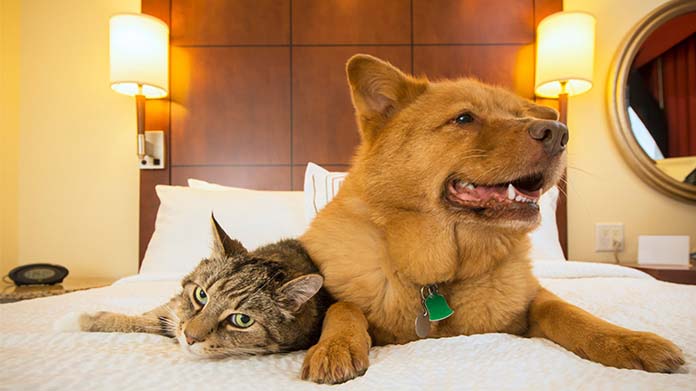
Starting a successful pet hotel business requires more than just a passion for animal care.
In fact, before you get started, you will need a well-defined business plan, sufficient startup capital, and a strong understanding of your target market.
In this comprehensive guide, we’ve broken down everything you need to know to start your very own pet hotel business.
Our guide is in 3 parts:
The pet daycare market — which is also known as the pet boarding and lodging industry — is valued at approximately USD $1.73 billion as of 2024 and is projected to grow at a compound annual rate of 8.78% from 2025 to 2030.
This expansion is largely attributed to two primary factors: an increasing number of pet owners and a growing trend known as “pet humanization”.
Together, these factors have redefined what pet owners expect from care facilities — no longer satisfied with basic boarding options, they now seek services that prioritize comfort, safety, and personalized attention for their pets.
This shift has opened up significant opportunities for pet hotel businesses, as owners increasingly favor establishments offering enhanced amenities such as play areas, grooming services, and customized care routines that are designed to meet the specific needs of each pet.
If you’re considering whether a pet hotel business is right for you, the first thing you’ll need to know is whether it’s a) affordable, and b) worth the investment. I mean, how much can you actually make running your own pet hotel business?
Well, it depends, and the initial investment for a pet hotel business varies widely based on factors such as the size and location of the facility you’ll choose, the range of services you intend to offer, and the quality of amenities you’ll provide.
Having said that, below we’ve included a succinct list of the most important startup costs you’ll need to keep in mind:
Facility Leasing or Purchase ($20,000 – $200,000+): You will need to either lease or purchase a suitable property for your pet hotel, with the cost largely influenced by the location, facility size, and market demand in your chosen area.
Renovation and Build-Out ($10,000 – $150,000): You’ll need to install durable, pet-safe flooring, secure enclosures, and designate areas for play and rest; you’ll also need soundproofing to manage noise levels and ventilation systems to maintain proper air quality.
Kennels, Cages, and Furnishings ($5,000 – $30,000): You will need to purchase high-quality kennels and cages that offer security and comfort for pets during their stay, with the cost largely depending on the type, size, and durability of each unit.
Grooming and Care Equipment ($2,000 – $15,000): If you plan to offer grooming services, you’ll need grooming tables, bathing tubs, dryers, clippers, brushes, and nail trimmers, with costs varying based on the equipment’s brand and durability.
Outdoor and Indoor Play Equipment ($1,000 – $10,000): You will need to equip both outdoor and indoor areas with durable play structures, agility equipment, and toys to create engaging, safe environments where pets can exercise and socialize. This setup can include tunnels, climbing structures, obstacle courses, and interactive toys, with costs depending on the quality and variety of equipment chosen.
Staffing and Employee Training ($20,000 – $50,000): You will need to budget for hiring and training staff, with the exact cost depending on the number of employees, their experience levels, and the depth of training required.
Marketing and Advertising ($2,000 – $10,000): You will need to allocate funds for marketing in order to build visibility and attract clients, which will include developing a professional website, running social media campaigns, investing in local advertising, and collaborating with local pet stores or veterinarians.
Utilities and Operating Supplies ($500 – $3,500/month): You will need to account for the first few months of utility expenses, including electricity, water, heating, and air conditioning, as well as things like cleaning supplies, pet food, bedding, and other consumables that you will need in order to regularly maintain a clean and comfortable environment for all pets.
Licenses and Permits ($500 – $2,000): You’ll also need to budget for various licenses and permits to operate legally, which may include a general business license, an animal care facility license, and any required inspections to comply with local health and safety standards for animal care.
Note: Keep in mind that when starting a pet hotel business, you are strongly advised to maintain an emergency fund of at least $10,000 in order to cover unforeseen costs that may arise, such as unexpected facility repairs or additional staffing needs.
When you consider the sheer number of pets in the US — which is approximately 80 million dogs and nearly 60 million cats as of the most recent data — and the $140 billion spent annually on all pet-related expenses, it’s clear that the pet hotel industry offers substantial earning potential.
Most pet hotels operate with profit margins of 10 to 20%, and that’s before accounting for additional revenue from services such as grooming, training, and specialized care packages — all of which can substantially increase overall profitability.
Having said that, it’s important to recognize that while the financial prospects are promising, the pet hotel industry demands meticulous attention to service quality and customer satisfaction.
Pet owners are exceptionally careful and sometimes hesitant when it comes to entrusting others with the care of their beloved animals; they view pets as family members and expect the highest standards of care.
This means your business will be highly vulnerable to negative reviews or incidents, as even a minor lapse can lead to significant declines in reputation and clientele.
Despite these challenges, those dedicated to upholding quality and building trust will likely find that the pet hotel industry presents a promising and sustainable business opportunity — and one that is not going away anytime soon.
A pet hotel is a facility that offers boarding and comprehensive care services for pets when their owners are away.
These facilities typically go beyond basic kennels by offering comfortable accommodations, play areas, grooming, and personalized attention to create a safe and engaging environment for pets.
To set up a pet hotel, you will need to conduct thorough market research, create a detailed business plan, secure funding, and obtain the appropriate licenses and permits.
You’ll also need to find a suitable location, set up the facility with comfortable accommodations and amenities, and develop a marketing strategy to attract pet owners.
Pet hotels typically operate with profit margins of 10 to 20%, with some businesses seeing higher returns by offering additional services such as grooming, training, and specialized care.
That said, profitability will mainly hinge on maintaining excellent service standards, as pet owners typically prioritize safety and reliability when choosing a facility for their pets.
While formal qualifications aren’t always required, experience in animal care, customer service, and business management can be highly beneficial for running a pet hotel.
Additionally, certifications in pet first aid or animal handling can enhance your credibility, helping to build trust with clients and ensure the well-being of the animals in your care.
Business Evaluation & Strategy Tool
We'll walk you through the four pillars every business needs: Points of Leverage, Marketing Strategy, Financial Model, and Personal Compatibility. At the end you'll see a personalized report and your action plan below will be tailored to your answers.
Every viable business has natural advantages. Below are common leverage points across four categories. Pick the ones that apply to your Pet Hotel business. We've pre-suggested a few based on your idea — review and adjust.
Without a way to connect with customers, even great businesses fail. Pick the channels you plan to use to reach your customers.
Enter your monthly baseline costs — the minimum overhead to keep the business running. Then we'll calculate how many sales per month you need to break even.
A business that doesn't fit your life will fail no matter how good the numbers look. Tell us how this business fits you.
Complete the four pillars and your personalized summary will appear here.
Nine concrete steps to take you from idea to open business, grouped into 30-day phases. Complete the planner above and we'll highlight what's most important for your situation.
An LLC keeps your personal assets separate from business debts and lawsuits — the most common reason small business owners choose this structure. Sole proprietorships and partnerships do not provide this protection.
Apply for your free Employer Identification Number through the IRS, then register for any state or local taxes that apply to your business (sales tax, franchise tax).
A dedicated business account is required to maintain personal asset protection. Mixing personal and business finances ('piercing the corporate veil') can void your LLC's liability shield.
Recording expenses and income from day one makes tax filing easier and lets you see when the business is actually profitable. Use software (QuickBooks, Wave) or a part-time bookkeeper.
State and local requirements vary widely. Brick-and-mortar businesses typically need a Certificate of Occupancy; service businesses may need specific professional licensing; food businesses need health permits.
General Liability Insurance is the most common starting point. If you'll have employees, most states require Workers' Compensation. Specific industries need additional coverage (product liability, professional liability, etc.).
Your brand is how customers perceive and remember you. A clear name, logo, and visual identity make every later marketing decision easier and protect you legally as you grow.
Every legitimate business needs a website. Social media pages are not a substitute — you don't own the platform. Modern website builders mean you can launch a clean site in a weekend without a developer.
A dedicated business number keeps your personal life private, makes the business look legitimate, and lets you route calls professionally. Cloud phone services start under $20/month.
Starting a Pet Hotel business typically costs $20,000 to $200,000. It is considered a high capital-intensity business.
A Pet Hotel business runs roughly a 20% net profit margin, and most owners reach break-even in about 18 to 36 months.
You can usually launch a Pet Hotel business in about 2 to 8 weeks, and it is commonly run full time.
A Pet Hotel business is generally an intermediate-skill business to start, with stable demand. TRUiC rates it 61 out of 100 on our Idea Score.
Most Pet Hotel businesses register as an LLC or other legal entity and obtain a general business license. Depending on your state and city you may also need industry-specific permits, sales tax registration, and zoning or health approvals, so check your local requirements before you launch.