Startup cost
$75k–$150k
TRUiC Business Ideas
Decision Snapshot
Idea Score
64
Startup cost
$75k–$150k
Profit margin
60%
Break-even
18 mo–36 mo
Time to launch
12 wk–36 wk
Demand trend
Stable
5-yr failure rate
—
Capital intensity
High
Time commitment
Full time
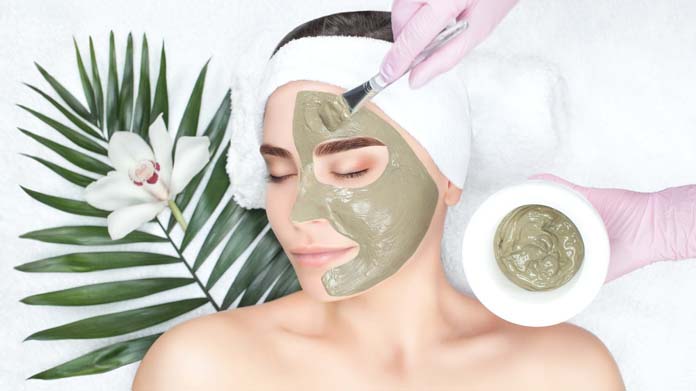
The National Institute of Occupational Safety and Health reports that there are over nine-hundred toxins and chemicals in today’s standard cosmetics and skincare products. As we learn more and more about what these chemicals do to our bodies and our environment, many consumers are turning to natural products. Green beauty product business owners offer innovations in beauty care, producing and selling it to the public.
Our guide is in 3 parts:
Launching an eco-friendly beauty product line requires a great deal of planning. Product development, packaging, and building retailer partnerships can take anywhere from nine months to over a year. Start-up costs range from $75,000 to over $150,000 and include:
Trademark and logo design
Branding
Packaging costs
Payroll
Computers and software for business management
Website development
Advertising and marketing
Insurance
Certification – $200 to over $1,500, depending upon the certification and accredited agency you choose to use
Entrepreneurs whose business plan includes a storefront will also need to budget time and money to create an eco-friendly facility for their clients. Costs include location, utilities, additional payroll, and fixtures.
The ongoing expenses business owners face managing a green beauty product business include manufacturing, packaging, marketing campaigns, insurance, and payroll. If your business model includes managing a storefront or manufacturing facility, you will face additional overhead expenses. As mentioned, those in this industry remain active to the underlying cause. Therefore, those looking for long-term industry success should budget for ongoing education and market research.
Your target market includes consumers who are educated regarding the benefits of using natural products, particularly when it comes to skincare and beauty products. They commit, both to themselves and our planet, and dedicate time to making the changes necessary to preserve our natural resources. Business owners are encouraged to conduct thorough research to identify industry weaknesses, introducing products that fill current and future needs.
The specifics of your day will depend upon your organization’s business model. Some entrepreneurs blend the products themselves, while others partner with a private label manufacturer, who produces their goods for them. In this case, you would work closely with the lab to formulate and manufacture the products you conceive, develop packaging, and ensure adherence to the latest rules and regulations. Green business owners spend much of their time conducting research and taking part in the movement to produce socially responsible products.
When not perfecting recipes and putting your flair on age-old techniques, you will work to expand your business through networking, marketing, education, and other customer service duties. Entrepreneurs who manage a brick and mortar establishment will also need to maintain the facility and stock the shelves, taking a more hands-on approach to customer service.
Pricing varies depending upon the product, its intended use, manufacturing and packaging costs, ingredients, and overhead expenses. Your manufacturing partner can assist you in this aspect of the business, helping determine competitive and profitable retail and wholesale pricing.
The average small eco-friendly beauty line reports an annual profit of $40,000 to $80,000, while larger organizations report millions in profits. Profit margins range anywhere from 40% to 80%, depending upon expenses and the business model.
Since education is the key to a green beauty product business’ success, business owners should consider hosting workshops and speaking at conferences. This helps gain visibility for the company while assisting in identifying other market needs.
The specifics of your day will depend upon your organization’s business model. Some entrepreneurs blend the products themselves, while others partner with a private label manufacturer, who produces their goods for them. In this case, you would work closely with the lab to formulate and manufacture the products you conceive, develop packaging, and ensure adherence to the latest rules and regulations. Green business owners spend much of their time conducting research and taking part in the movement to produce socially responsible products.
When not perfecting recipes and putting your flair on age-old techniques, you will work to expand your business through networking, marketing, education, and other customer service duties. Entrepreneurs who manage a brick and mortar establishment will also need to maintain the facility and stock the shelves, taking a more hands-on approach to customer service.
Most entrepreneurs building eco-friendly businesses choose to do so because they are passionate about doing their part to protect our planet. While knowledgeable, they continuously strive to learn more, innovate, and educate the public. This drive and willingness to think outside the box serves them well in the highly competitive cosmetic industry.
To realize long-term success in this industry, one must possess strong interpersonal skills, with the ability to connect with industry colleagues, manufacturers, retailers, and customers. These relationships help gain a deeper understanding of the customer, ensuring everything from products to packaging, meets their dynamic needs.
Additionally, one must possess the qualities that make a great business leader. You must be flexible and patient, with strong business acumen. If managing a business is not your strong suit, consider taking a basic business workshop online or at your local college.
The Natural and Organic Cosmetics market is expected to surpass $23 million by 2025, growing at a compound annual growth rate of over 9%. As consumer demand for eco-friendly personal care products increases, more and more major companies are expected to enter the market. This will offer unique and profitable opportunities for entrepreneurs who entered the market in its early stages.
While the public has just caught on to the eco-friendly trend, many have been working behind the scenes for years to educate consumers regarding the multitude of benefits. They offer the following advice:
Partner with a manufacturer that understands your vision, the product, and your target audience. This strong partnership will prove invaluable in brand development, meeting customer needs, and reaching your target audience.
To help offset costs, consider doing much of the work yourself.
Entrepreneurs who fall short on start-up capital are encouraged to seek out funding and grants. Women business owners introducing unique products should consider applying to take part in the Sephora Accelerate program.
Complying with EU Cosmetic Regulations will show consumers you are dedicated to producing quality green beauty products.
The private manufacturer you partner with is a critical part of your team. As the product line grows, you will likely need to hire additional staff to assist with order fulfillment and other customer service duties. Your staff should be well-versed in eco-friendly products, sharing your passion for consumers and the environment’s health.
Business Evaluation & Strategy Tool
We'll walk you through the four pillars every business needs: Points of Leverage, Marketing Strategy, Financial Model, and Personal Compatibility. At the end you'll see a personalized report and your action plan below will be tailored to your answers.
Every viable business has natural advantages. Below are common leverage points across four categories. Pick the ones that apply to your Green Beauty business. We've pre-suggested a few based on your idea — review and adjust.
Without a way to connect with customers, even great businesses fail. Pick the channels you plan to use to reach your customers.
Enter your monthly baseline costs — the minimum overhead to keep the business running. Then we'll calculate how many sales per month you need to break even.
A business that doesn't fit your life will fail no matter how good the numbers look. Tell us how this business fits you.
Complete the four pillars and your personalized summary will appear here.
Nine concrete steps to take you from idea to open business, grouped into 30-day phases. Complete the planner above and we'll highlight what's most important for your situation.
An LLC keeps your personal assets separate from business debts and lawsuits — the most common reason small business owners choose this structure. Sole proprietorships and partnerships do not provide this protection.
Apply for your free Employer Identification Number through the IRS, then register for any state or local taxes that apply to your business (sales tax, franchise tax).
A dedicated business account is required to maintain personal asset protection. Mixing personal and business finances ('piercing the corporate veil') can void your LLC's liability shield.
Recording expenses and income from day one makes tax filing easier and lets you see when the business is actually profitable. Use software (QuickBooks, Wave) or a part-time bookkeeper.
State and local requirements vary widely. Brick-and-mortar businesses typically need a Certificate of Occupancy; service businesses may need specific professional licensing; food businesses need health permits.
General Liability Insurance is the most common starting point. If you'll have employees, most states require Workers' Compensation. Specific industries need additional coverage (product liability, professional liability, etc.).
Your brand is how customers perceive and remember you. A clear name, logo, and visual identity make every later marketing decision easier and protect you legally as you grow.
Every legitimate business needs a website. Social media pages are not a substitute — you don't own the platform. Modern website builders mean you can launch a clean site in a weekend without a developer.
A dedicated business number keeps your personal life private, makes the business look legitimate, and lets you route calls professionally. Cloud phone services start under $20/month.
Starting a Green Beauty business typically costs $75,000 to $150,000. It is considered a high capital-intensity business.
A Green Beauty business runs roughly a 60% net profit margin, and most owners reach break-even in about 18 to 36 months.
You can usually launch a Green Beauty business in about 12 to 36 weeks, and it is commonly run full time.
A Green Beauty business is generally an intermediate-skill business to start, with stable demand. TRUiC rates it 64 out of 100 on our Idea Score.
Most Green Beauty businesses register as an LLC or other legal entity and obtain a general business license. Depending on your state and city you may also need industry-specific permits, sales tax registration, and zoning or health approvals, so check your local requirements before you launch.