Startup cost
$5k–$50k
TRUiC Business Ideas
Decision Snapshot
Idea Score
67
Startup cost
$5k–$50k
Profit margin
21%
Break-even
18 mo–36 mo
Time to launch
2 wk–12 wk
Demand trend
Stable
5-yr failure rate
—
Capital intensity
High
Time commitment
Full time
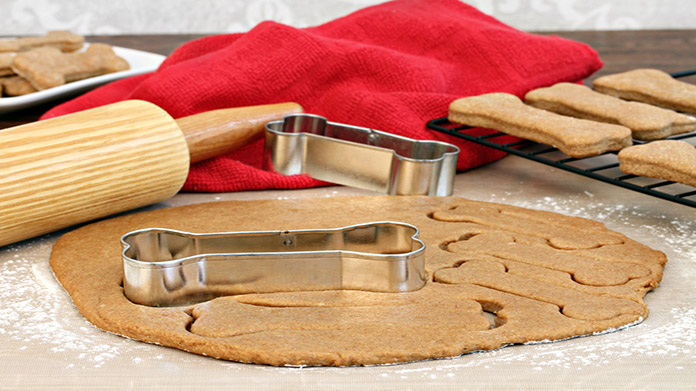
Many dog and other pet owners are concerned about what’s in the food they feed their pets. Pet bakery businesses cater to these owners by providing specially formulated pet foods. The ingredients that pet bakeries use in their pet foods are usually healthy and natural, and they often come from known sources.
You may also be interested in additional unique business ideas.
Our guide is in 3 parts:
The startup costs for a pet bakery business can range from $1,000 to $100,000, depending on the bakery’s business model. Upfront costs that all pet bakeries have include insurance premiums, licensing fees, initial ingredient costs and packaging costs. Licensing fees vary, but they usually cost a few hundred dollars, at most. Pet bakeries that cost tens of thousands of dollars to open are usually franchise operations, and they often have a brick-and-mortar location.
Pet bakery owners who want to keep their startup expenses minimal can sell through a website and established retailers, rather than through their own physical store. They also can purchase small amounts of ingredients and packaging materials to start with, increasing their order amounts as their business grows and generates revenue. Finally, many states let pet bakery owners use their own kitchens as a processing facility, as long as it’s licensed. This eliminates any rent costs.
The primary ongoing expenses for a pet bakery business are annual license fees, the costs for ingredients and packaging materials, and any employees’ salaries.
An ideal customer is someone who is concerned about the health of their pet and has discretionary income to spend on gourmet pet food. There is usually a higher demand for specialty pet food in cities, where more pet owners have discretionary income to spend on specialty pet food. (Pet bakeries in less populated areas often face less competition, though.)
Pet bakery businesses make money by selling the pet foods they create. These foods may be sold directly to customers (retail) or through intermediary retailers (wholesale). Wholesale prices are lower than retail prices.
In 2014, the average price for private label pet food $1.22 per pound, and the average price for branded pet food was $2.22 per pound. Thus, a 25-pound bag of private label pet food would cost $30.50, and a branded bag would run about $55.50.
The average price of a branded bag shows that consumers are willing to pay $55 for a 25-pound of pet food. Although the average price for private label pet food is less, a specialty pet bakery business that is able to gain customers’ confidence may be able to charge branded rates for their specialty foods.
How much a pet bakery business profits depends on how many outlets it’s selling in. The more places a pet bakery’s goods are sold in, the more customers will see and, potentially, purchase the bakery’s pet foods.
Two pet bakeries show the potential revenue that such a business can generate. Dogswell was founded in 2003 with one pet food specifically designed to help dogs who suffered from hip dysplasia and arthritis. The company earned $35,000 in revenue in its first month and $500,000 in its first year. It’s now in several national chains and had an annual revenue of $17 million in 2008. Three Dog Bakery started in 1989, so it’s a well-established company. It has dog foods in national chains and averages between $10 and $15 million in annual sales. Local pet bakeries, it should be noted, won’t see these types of sales unless they get their products into national chains.
A pet bakery business can increase its profits by finding additional retailers, offering new lines of pet foods and creating pet treats.
A pet bakery business owner spends much of their time creating and packaging pet foods, and marketing the foods their bakery sells. Marketing may involve running a site online, building relationships with retailers or both.
Specialty pet food must be carefully formulated, and each ingredient must be individually considered. Additionally, each line of food needs to take into account the unique needs of the species that it’s designed for. (For example, chocolate is poisonous to dogs.)
Pet bakery business owners, therefore, should be experts in pet nutrition. The Academy of Natural Health Sciences offers certificates in pet, canine, feline and equine nutrition, and Dogs Naturally Magazine University offers a pet food nutritionist certification. These certificates can help pet bakery owners learn about pet nutrition and other aspects of running a pet bakery (e.g. FDA regulations), but a certificate isn’t required. Owners can also learn what they need to know from books on animal nutrition and websites like the Pet Nutrition Alliance’s site. Books from other pet bakeries (e.g. Short Tails and Treats from Three Dog Bakery) can also provide insights and inspiration.
Pet bakery owners who want even more expertise may want to bring a board-certified veterinarian on as a nutrition consultant. Veterinarians, as an opinion piece on PetMD points out, have more training than certified pet nutritionists. Having a veterinarian help create pet foods will ensure they’re nutritional, and it can help instill consumer confidence in the pet bakery’s brand.
Many pet bakery businesses start out small, selling their specialty pet foods in local retail stores or through a single website. As they grow, pet bakeries can sell their pet foods in more and more retail locations, including national chains like Petco and Petsmart.
Pet bakery businesses that want to market their foods as being formulated by a veterinarian will need to have a consulting veterinarian from the outset. (Bringing on a veterinarian isn’t required.)
Most pet bakeries’ first true employee is a part-time delivery driver. Hiring a delivery driver lets the owner spend more time marketing the business and creating new lines of pet foods, both of which grow the business. Eventually, a pet bakery may have a small team that includes a delivery person, a salesperson, an operations manager, and one or two other employees.
Business Evaluation & Strategy Tool
We'll walk you through the four pillars every business needs: Points of Leverage, Marketing Strategy, Financial Model, and Personal Compatibility. At the end you'll see a personalized report and your action plan below will be tailored to your answers.
Every viable business has natural advantages. Below are common leverage points across four categories. Pick the ones that apply to your Pet Bakery business. We've pre-suggested a few based on your idea — review and adjust.
Without a way to connect with customers, even great businesses fail. Pick the channels you plan to use to reach your customers.
Enter your monthly baseline costs — the minimum overhead to keep the business running. Then we'll calculate how many sales per month you need to break even.
A business that doesn't fit your life will fail no matter how good the numbers look. Tell us how this business fits you.
Complete the four pillars and your personalized summary will appear here.
Nine concrete steps to take you from idea to open business, grouped into 30-day phases. Complete the planner above and we'll highlight what's most important for your situation.
An LLC keeps your personal assets separate from business debts and lawsuits — the most common reason small business owners choose this structure. Sole proprietorships and partnerships do not provide this protection.
Apply for your free Employer Identification Number through the IRS, then register for any state or local taxes that apply to your business (sales tax, franchise tax).
A dedicated business account is required to maintain personal asset protection. Mixing personal and business finances ('piercing the corporate veil') can void your LLC's liability shield.
Recording expenses and income from day one makes tax filing easier and lets you see when the business is actually profitable. Use software (QuickBooks, Wave) or a part-time bookkeeper.
State and local requirements vary widely. Brick-and-mortar businesses typically need a Certificate of Occupancy; service businesses may need specific professional licensing; food businesses need health permits.
General Liability Insurance is the most common starting point. If you'll have employees, most states require Workers' Compensation. Specific industries need additional coverage (product liability, professional liability, etc.).
Your brand is how customers perceive and remember you. A clear name, logo, and visual identity make every later marketing decision easier and protect you legally as you grow.
Every legitimate business needs a website. Social media pages are not a substitute — you don't own the platform. Modern website builders mean you can launch a clean site in a weekend without a developer.
A dedicated business number keeps your personal life private, makes the business look legitimate, and lets you route calls professionally. Cloud phone services start under $20/month.
Starting a Pet Bakery business typically costs $5,000 to $50,000. It is considered a high capital-intensity business.
A Pet Bakery business runs roughly a 21% net profit margin, and most owners reach break-even in about 18 to 36 months.
You can usually launch a Pet Bakery business in about 2 to 12 weeks, and it is commonly run full time.
A Pet Bakery business is generally an expert-skill business to start, with stable demand. TRUiC rates it 67 out of 100 on our Idea Score.
Most Pet Bakery businesses register as an LLC or other legal entity and obtain a general business license. Depending on your state and city you may also need industry-specific permits, sales tax registration, and zoning or health approvals, so check your local requirements before you launch.