Startup cost
$50k–$100k
TRUiC Business Ideas
Decision Snapshot
Idea Score
69
Startup cost
$50k–$100k
Profit margin
30%
Break-even
9 mo–24 mo
Time to launch
2 wk–12 wk
Demand trend
Stable
5-yr failure rate
—
Capital intensity
High
Time commitment
Full time
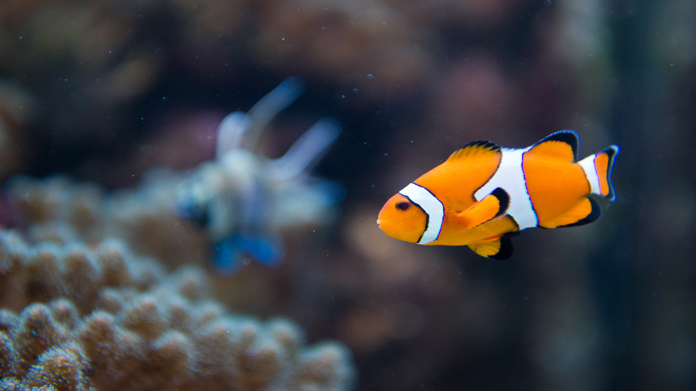
As the proud owner of a pet fish store you not only will sell goldfish to young fish fanatics, you also have the opportunity to build a large commercial customer base tending to those interested in large aquariums in doctors offices, restaurants, and other public spaces. A wide range of accessories such as gravel, plants, and filters are offered to keep your customers’ tanks clean, healthy, and unique looking. It can be a challenging business to open, but if you are passionate about fish, it can be a creative, rewarding, and profitable venture involved in customer service, design, and animal care.
Our guide is in 3 parts:
For a small store front, you will need $50,000 to $100,000 for the initial investment, depending on the type of fish you intend to stock. Salt-water and exotic species exponentially increase the cost of livestock. Expect to have two years of capital available while you build your customer base.
Your largest constant expenses will be water and electricity. When looking for a location, keep local rates in mind. Shipping can be significant for live fish deliveries. Otherwise, standard business costs such as the lease, payroll, and the cost of inventory will be your main concerns.
Your clients will most often be of three types: families looking for inexpensive, low-maintenance fish, lifetime fish hobbyists, and commercial clients looking to fill large aquariums. The fish hobbyist and the commercial client will provide you with the most profit per purchase, and they are also highly likely to become regular clients. Hobbyists will return on a steady basis to replenish their supply of tank maintenance products, and commercial clients will be in need of someone to perform regular maintenance duties on their aquariums.
While you can see a retail markup of 100% over wholesale on a single fish, the costs of water, electricity, loss of other livestock, and time can quickly lower that margin. The largest profit is found in in-home services supporting large commercial clients. These services can include tank cleaning, water testing, water treatment, etc. Accessories such as gravel, plants, and decorations offer the most consistent income with a general profit margin of 10-30%.
Most of your standard consumable supplies such as food and gravel will retail from about $5 to $40. This price applies to small live fish popular for home aquariums, as well. Special order exotic species can retail for $100 to $1000, but may not require you to stock them. For out-of-store services, regular tank cleaning can be priced starting at $60 and rise from there according to aquarium size and any additional tasks completed for the client.
Your numbers can vary significantly, but a successful local pet fish store can expect to profit $100,000 to $180,000 from net sales of up to $400,000 a year with a solid customer base.
Service, knowledge, and cleanliness are the hallmarks of a successful aquarium store. While selling a new customer’s first fish is exciting, it’s the return trips for food and filters that will keep your business profitable. Providing exceptional customer service along with free and accurate advice will encourage your customers to keep coming back.
When you run your own fish store, on any given day you might need to:
Feed and care for the fish, plants, and tanks in order to maintain attractive sales displays
Receive shipments of new livestock/acclimate new fish to your display tanks
Maintain inventory of new tanks, accessories, and food
Provide friendly and helpful service to any walk-in clients
Reconcile daily sales receipts and invoices
Offer in-home services for large customers with fresh or saltwater aquariums
Research custom orders for exotic fish and new aquascape designs
Maintain and train your staff
These skills are helpful to develop in order to build a successful pet fish store:
Extensive knowledge and experience in the care of aquariums and fish
Basic accounting skills
Excellent customer service
Good housekeeping standards
Strong organizational and leadership skills
Ability to build relationships with vendors and repeat clients
It is possible to expand from a small storefront on Main St. into a larger location as you build a dedicated pool of customers. Larger metropolitan areas will be better able to support a busy location as you can offer more services for high-end clients. Some startups have expanded into multiple locations as they built a solid reputation for healthy fish and happy customers.
First determine that your neighborhood needs a local fish store and select a high-profile location that is exposed to heavy foot-traffic. Your local hobbyists will enthusiastically tell their friends about your business, but you’ll need to actively work all your connections through social media, printed, radio, and television ads to expose potential customers to your new business. A direct marketing campaign can help reach new lucrative commercial clients.
A small local storefront will still need more than just you to get the ball rolling. You’ll want to hire a small team of clerks to help clean the tanks, keep the store neat, and check out customers while you’re working on orders. Make sure your staff members enjoy working with live animals and that they want to learn all they can about your fish and your products. If you anticipate a large commercial client base, make sure your technicians have sufficient education and transportation.
Business Evaluation & Strategy Tool
We'll walk you through the four pillars every business needs: Points of Leverage, Marketing Strategy, Financial Model, and Personal Compatibility. At the end you'll see a personalized report and your action plan below will be tailored to your answers.
Every viable business has natural advantages. Below are common leverage points across four categories. Pick the ones that apply to your Pet Fish Store business. We've pre-suggested a few based on your idea — review and adjust.
Without a way to connect with customers, even great businesses fail. Pick the channels you plan to use to reach your customers.
Enter your monthly baseline costs — the minimum overhead to keep the business running. Then we'll calculate how many sales per month you need to break even.
A business that doesn't fit your life will fail no matter how good the numbers look. Tell us how this business fits you.
Complete the four pillars and your personalized summary will appear here.
Nine concrete steps to take you from idea to open business, grouped into 30-day phases. Complete the planner above and we'll highlight what's most important for your situation.
An LLC keeps your personal assets separate from business debts and lawsuits — the most common reason small business owners choose this structure. Sole proprietorships and partnerships do not provide this protection.
Apply for your free Employer Identification Number through the IRS, then register for any state or local taxes that apply to your business (sales tax, franchise tax).
A dedicated business account is required to maintain personal asset protection. Mixing personal and business finances ('piercing the corporate veil') can void your LLC's liability shield.
Recording expenses and income from day one makes tax filing easier and lets you see when the business is actually profitable. Use software (QuickBooks, Wave) or a part-time bookkeeper.
State and local requirements vary widely. Brick-and-mortar businesses typically need a Certificate of Occupancy; service businesses may need specific professional licensing; food businesses need health permits.
General Liability Insurance is the most common starting point. If you'll have employees, most states require Workers' Compensation. Specific industries need additional coverage (product liability, professional liability, etc.).
Your brand is how customers perceive and remember you. A clear name, logo, and visual identity make every later marketing decision easier and protect you legally as you grow.
Every legitimate business needs a website. Social media pages are not a substitute — you don't own the platform. Modern website builders mean you can launch a clean site in a weekend without a developer.
A dedicated business number keeps your personal life private, makes the business look legitimate, and lets you route calls professionally. Cloud phone services start under $20/month.
Starting a Pet Fish Store business typically costs $50,000 to $100,000. It is considered a high capital-intensity business.
A Pet Fish Store business runs roughly a 30% net profit margin, and most owners reach break-even in about 9 to 24 months.
You can usually launch a Pet Fish Store business in about 2 to 12 weeks, and it is commonly run full time.
A Pet Fish Store business is generally an intermediate-skill business to start, with stable demand. TRUiC rates it 69 out of 100 on our Idea Score.
Most Pet Fish Store businesses register as an LLC or other legal entity and obtain a general business license. Depending on your state and city you may also need industry-specific permits, sales tax registration, and zoning or health approvals, so check your local requirements before you launch.