Startup cost
$135k–$205k
TRUiC Business Ideas
Decision Snapshot
Idea Score
43
Startup cost
$135k–$205k
Profit margin
6%
Break-even
4 mo–12 mo
Time to launch
12 wk–36 wk
Demand trend
Stable
5-yr failure rate
—
Capital intensity
High
Time commitment
Full time
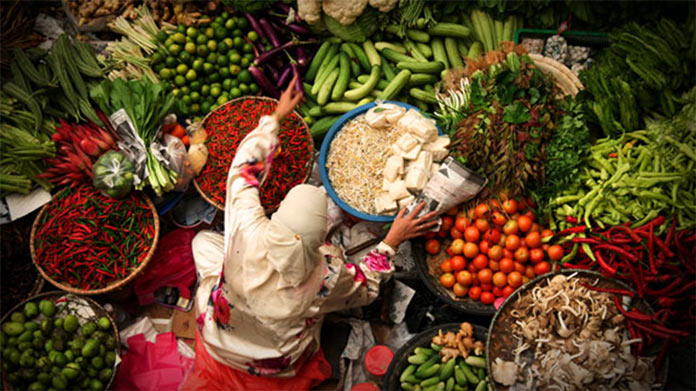
An Asian grocery store offers customers groceries that are typically used in creating traditional and authentic Asian dishes. This includes canned goods, sauces, produce, spices, and meats.
Our guide is in 3 parts:
Initial costs vary, depending upon location, size of the building, and the products you plan to sell. When shopping for the right location, make sure it is in a well-traveled area and has ample parking. Once you have signed a lease or purchased your building, take the time to design a floor plan that flows and allows customers to move around with ease. Renovations and updates may be required. If possible, allow yourself ample time to shop for your brick and mortar location. Investing in a space that is already set up as you need it will save both time and money. If you do take this approach, however, inquire with the previous owner to determine why the business closed or moved.
Once you have your location ready, there are a few other investments you will need to make:
Inventory and accounting software
Coolers, refrigerators, and shelves
Insurance – Consult with an educated professional to ensure you purchase the proper business insurance. Many new business owners fail to realize they are underinsured until they experience a loss. The results are often devastating.
Commercial trash service
Materials for advertising, including a well-branded sign that is visible from the road
Successful business owners report an investment of $135,000 to $205,000. While it can be done for less, this will ensure your shelves are stocked with the necessities and that your store is set up for success from the get-go.
In addition to the standard costs that come with keeping a facility running, you will face several ongoing expenses. The bulk of your budget will go to re-stocking your shelves and payroll. Maintaining proper insurance can get expensive, but is important for ensuring your business stays afloat after a loss. When determining your budget, be sure to factor in marketing costs, including fees for booths at events and your local farmer’s market.
Primarily, you will be targeting Asian chefs and families. With the right location and marketing strategy, however, many business owners have found success catering to the needs of other local consumers. More and more consumers are beginning to realize the benefits that come with shopping in niche grocery stores. Targeting them in your advertising efforts will help increase your store’s annual sales and profits.
Your grocery will generate revenue through product sales. Prior to opening your business, it’s important to understand market needs. Over-saturation in a community will negatively impact your business, as well as the competition’s.
Prices will vary from item to item. Items should be priced for maximum profits, while remaining competitive with other speciality grocers in the area.
The strength of your marketing strategy, the customer service you offer, and the size of your grocery store are all factors that determine your annual profit. Store owners realizing the greatest success continuously work to ensure their shop is unique, offering items customers cannot find anywhere else. Store owners report an annual profit of $56,000 to $75,000.
While your business may be geared towards food, there are a number of non-perishable items you could stock your shelves with. Music, hats, t-shirts, and kitchen supplies are great additions to any niche market. If your space is set up for it, consider opening a small restaurant. This is an effective way to serve the locals and get the word out about your establishment. Diners will often walk off their meal in the store; this is a great time to catch them, as their recent meal is fresh on their minds and may inspire them for their next home-cooked meal.
Your team’s primary duty is to provide quality customer service. As an independent food store, your interaction with customers and the service you provide will define the business’ long-term success. When a client has a question or concern, address these issues with speed and respect.
Additionally, you will need to;
Manage inventory, reordering supplies whenever necessary
Price products and stock shelves
Keep the establishment clean and orderly at all times
Advertise and network to ensure your business grows
Develop and nurture relationships with regular customers, as well as distributors
Remain abreast of new trends in Asian cuisine
Additionally, you or a member of your staff will need to closely track inventory, manage the business’ finances, and handle tasks associated with payroll.
Since the success of your business is heavily reliant on strong customer service, it is critical that you possess strong interpersonal skills. To lessen the language barrier gap, some specialty food stores have a staff member who is able to speak related languages. As part of your customer service strategy, maintain an open line of communication with your regular customers, asking for feedback and product requests.
Managing a grocery store is a very detail-oriented business. Previous experience in the retail and/or grocery industry would prove beneficial. This hands-on experience will provide insight into how inventory should be managed and priced and will help develop the skills necessary to build profitable relationships with distributors. While not required, experience in an Asian restaurant would prove advantageous. Knowledge regarding which flavors complement which foods will assist you in educating clients new to Asian fare.
As previously mentioned, market demand in your area will define your grocery’s success. With a well thought-out business plan, and investment in the right location, this niche business has the potential to thrive. Many Asian food store owners have realized such success that they were able to open multiple locations throughout the community.
It’s important to remember why consumers shop at specialty stores. They are looking for unique food items and enjoy the variety that comes with shopping at a niche market. For the right price, many are willing to sacrifice and purchase a little lower quality.
While many are tempted to manage their startup business alone, this is not advisable. The first four to six months are a critical time. If you are too busy stocking shelves and answering the phone, other aspects of the business will suffer. When hiring staff members, carefully consider each applicant. They will be an integral part of your business’ success. Choose individuals that are knowledgeable and take pride in their work, as well as your business’ long-term success.
Business Evaluation & Strategy Tool
We'll walk you through the four pillars every business needs: Points of Leverage, Marketing Strategy, Financial Model, and Personal Compatibility. At the end you'll see a personalized report and your action plan below will be tailored to your answers.
Every viable business has natural advantages. Below are common leverage points across four categories. Pick the ones that apply to your Asian Grocery business. We've pre-suggested a few based on your idea — review and adjust.
Without a way to connect with customers, even great businesses fail. Pick the channels you plan to use to reach your customers.
Enter your monthly baseline costs — the minimum overhead to keep the business running. Then we'll calculate how many sales per month you need to break even.
A business that doesn't fit your life will fail no matter how good the numbers look. Tell us how this business fits you.
Complete the four pillars and your personalized summary will appear here.
Nine concrete steps to take you from idea to open business, grouped into 30-day phases. Complete the planner above and we'll highlight what's most important for your situation.
An LLC keeps your personal assets separate from business debts and lawsuits — the most common reason small business owners choose this structure. Sole proprietorships and partnerships do not provide this protection.
Apply for your free Employer Identification Number through the IRS, then register for any state or local taxes that apply to your business (sales tax, franchise tax).
A dedicated business account is required to maintain personal asset protection. Mixing personal and business finances ('piercing the corporate veil') can void your LLC's liability shield.
Recording expenses and income from day one makes tax filing easier and lets you see when the business is actually profitable. Use software (QuickBooks, Wave) or a part-time bookkeeper.
State and local requirements vary widely. Brick-and-mortar businesses typically need a Certificate of Occupancy; service businesses may need specific professional licensing; food businesses need health permits.
General Liability Insurance is the most common starting point. If you'll have employees, most states require Workers' Compensation. Specific industries need additional coverage (product liability, professional liability, etc.).
Your brand is how customers perceive and remember you. A clear name, logo, and visual identity make every later marketing decision easier and protect you legally as you grow.
Every legitimate business needs a website. Social media pages are not a substitute — you don't own the platform. Modern website builders mean you can launch a clean site in a weekend without a developer.
A dedicated business number keeps your personal life private, makes the business look legitimate, and lets you route calls professionally. Cloud phone services start under $20/month.
Starting an Asian Grocery business typically costs $135,000 to $205,000. It is considered a high capital-intensity business.
An Asian Grocery business runs roughly a 6% net profit margin, and most owners reach break-even in about 4 to 12 months.
You can usually launch an Asian Grocery business in about 12 to 36 weeks, and it is commonly run full time.
An Asian Grocery business is generally an intermediate-skill business to start, with stable demand. TRUiC rates it 43 out of 100 on our Idea Score.
Most Asian Grocery businesses register as an LLC or other legal entity and obtain a general business license. Depending on your state and city you may also need industry-specific permits, sales tax registration, and zoning or health approvals, so check your local requirements before you launch.