Startup cost
$50k–$75k
TRUiC Business Ideas
Decision Snapshot
Idea Score
73
Startup cost
$50k–$75k
Profit margin
90%
Break-even
9 mo–24 mo
Time to launch
12 wk–36 wk
Demand trend
Rising
5-yr failure rate
—
Capital intensity
High
Time commitment
Full time
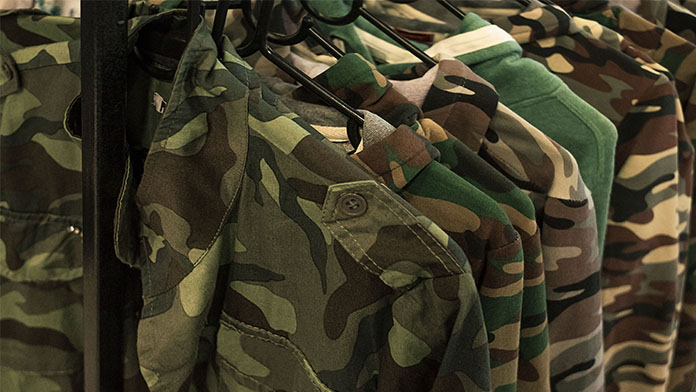
A military surplus store, also known as an Army Navy store, dates back to the mid-1800s. After the Civil War, Francis Bannerman purchased the military’s surplus supplies, adding the products to his already existing business. Store owners have recently begun to alter their business models, with less focus on civilian military enthusiasts and more on consumers looking for affordable gear for their outdoor, survival, and sports activities.
Our guide is in 3 parts:
When starting from scratch, your first action should be to invest in a location. Work with a reputable organization that can help identify affordable rental and leasing options in the community. Once you have your building, you will need to budget for necessary build outs, fixtures, inventory, sales and inventory software, and a website. Store signage, a logo, and marketing materials should also be included in your initial budget.
Estimated average cost is between $50,000 and $75,000, while the purchase of an existing business could set you back as much as $150,000.
Aside from rent, utilities, and insurance, you will also need to budget for the following:
Payroll expenses
Marketing and advertising
Website maintenance and hosting
Shipping costs for online orders
Restocking inventory
Travel costs and entry fees for attending auctions
Getting to know your customers and their needs will help identify how much and how often inventory should be restocked, keeping costs under control.
The targeted niche for this type of retail store has evolved over time. While civilian military enthusiasts is still a focus, most now cater to the needs of ex-military, outdoor adventurists, sports fanatics, fishermen, and survivalists. Store owners are urged to find out what the local community’s needs are and where they are lacking when defining their target market.
Military surplus stores generate revenue from each sale. Many business owners are now offering additional services, such as classes and workshops, to increase annual profits.
While prices vary, depending upon the item, its cost to you, and the business’ ongoing expenses, it’s important to remember that customers frequent this type of establishment because prices are lower than other retail stores. If you plan to sell military memorabilia, partner with a knowledgeable appraiser to ensure fair pricing.
Profits vary depending upon geographical location, community needs, and your ability to fulfill those needs. Since most inventory items you will invest in will be priced at 80-90% of their value, the profit margin is high. Many successful military surplus store owners report an annual profit between $45,000 and $95,000.
As mentioned, most Army Navy stores have gotten creative with the goods and services they offer, based on local needs. Many have found success offering basic and advanced weapons training, concealed weapons certification classes, self-defense workshops, and gun safety training. Before offering weapons training, consider becoming a National Rifle Association-certified instructor and visit the Bureau of Alcohol, Tobacco, Firearms and Explosives website to learn about specific requirements. Does your community have an indoor or outdoor range? If not, building one is an excellent way to generate more profits.
Your military surplus store’s team will spend each day stocking the shelves, maintaining the facility, and assisting customers in identifying the best product for their needs. You will work with various suppliers, reorder inventory when necessary, and conduct thorough research to ensure fair and competitive prices. Additionally, marketing and administrative duties must be tended to regularly.
Managing any retail establishment requires strong business management and leadership skills. Communication and interpersonal skills will help you develop relationships with suppliers and customers, as well as lead classes/workshops. Attention to detail and a knowledge of the products you offer will, ultimately, define the store’s success. Awareness of emerging trends in sports and outdoor activities and a willingness to learn new things would also prove beneficial. If marketing isn’t your strong suit, consider taking a basic course online or local college, or hiring a professional to manage the business’ advertising strategy.
At one time, Army Navy stores could be found on every other block. When the rules changed and online shopping became popular, only those who could adapt stayed in business. This, coupled with the introduction of sports such as airsoft, has again expanded the need for this type of store. Entrepreneurs with a carefully mapped out business plan that targets specific niche needs have an opportunity to build a successful business. Those who are flexible, able to adapt to evolving needs, will thrive and grow for many years to come.
Because this is such a niche market, those entering the industry are urged to develop a sound business plan. The Small Business Administration’s website can assist you with everything from planning to managing and growing your new business. While there are a number of online resources for Army Navy store shoppers, new store owners are encouraged to have a fully functional and intuitive website, which will help reach potential customers outside of your geographical area.
Your need for additional team members depends upon the size of the store, how busy it gets, and how much downtime you want for yourself. This is a customer-service oriented job, so when you do bring on new team members, make sure they are friendly and knowledgeable, dedicated to helping fulfill your vision.
Business Evaluation & Strategy Tool
We'll walk you through the four pillars every business needs: Points of Leverage, Marketing Strategy, Financial Model, and Personal Compatibility. At the end you'll see a personalized report and your action plan below will be tailored to your answers.
Every viable business has natural advantages. Below are common leverage points across four categories. Pick the ones that apply to your Military Surplus Store business. We've pre-suggested a few based on your idea — review and adjust.
Without a way to connect with customers, even great businesses fail. Pick the channels you plan to use to reach your customers.
Enter your monthly baseline costs — the minimum overhead to keep the business running. Then we'll calculate how many sales per month you need to break even.
A business that doesn't fit your life will fail no matter how good the numbers look. Tell us how this business fits you.
Complete the four pillars and your personalized summary will appear here.
Nine concrete steps to take you from idea to open business, grouped into 30-day phases. Complete the planner above and we'll highlight what's most important for your situation.
An LLC keeps your personal assets separate from business debts and lawsuits — the most common reason small business owners choose this structure. Sole proprietorships and partnerships do not provide this protection.
Apply for your free Employer Identification Number through the IRS, then register for any state or local taxes that apply to your business (sales tax, franchise tax).
A dedicated business account is required to maintain personal asset protection. Mixing personal and business finances ('piercing the corporate veil') can void your LLC's liability shield.
Recording expenses and income from day one makes tax filing easier and lets you see when the business is actually profitable. Use software (QuickBooks, Wave) or a part-time bookkeeper.
State and local requirements vary widely. Brick-and-mortar businesses typically need a Certificate of Occupancy; service businesses may need specific professional licensing; food businesses need health permits.
General Liability Insurance is the most common starting point. If you'll have employees, most states require Workers' Compensation. Specific industries need additional coverage (product liability, professional liability, etc.).
Your brand is how customers perceive and remember you. A clear name, logo, and visual identity make every later marketing decision easier and protect you legally as you grow.
Every legitimate business needs a website. Social media pages are not a substitute — you don't own the platform. Modern website builders mean you can launch a clean site in a weekend without a developer.
A dedicated business number keeps your personal life private, makes the business look legitimate, and lets you route calls professionally. Cloud phone services start under $20/month.
Starting a Military Surplus Store business typically costs $50,000 to $75,000. It is considered a high capital-intensity business.
A Military Surplus Store business runs roughly a 90% net profit margin, and most owners reach break-even in about 9 to 24 months.
You can usually launch a Military Surplus Store business in about 12 to 36 weeks, and it is commonly run full time.
A Military Surplus Store business is generally an intermediate-skill business to start, with rising demand. TRUiC rates it 73 out of 100 on our Idea Score.
Most Military Surplus Store businesses register as an LLC or other legal entity and obtain a general business license. Depending on your state and city you may also need industry-specific permits, sales tax registration, and zoning or health approvals, so check your local requirements before you launch.