Startup cost
$70k–$100k
TRUiC Business Ideas
Decision Snapshot
Idea Score
47
Startup cost
$70k–$100k
Profit margin
3%
Break-even
18 mo–36 mo
Time to launch
2 wk–12 wk
Demand trend
Stable
5-yr failure rate
—
Capital intensity
High
Time commitment
Full time
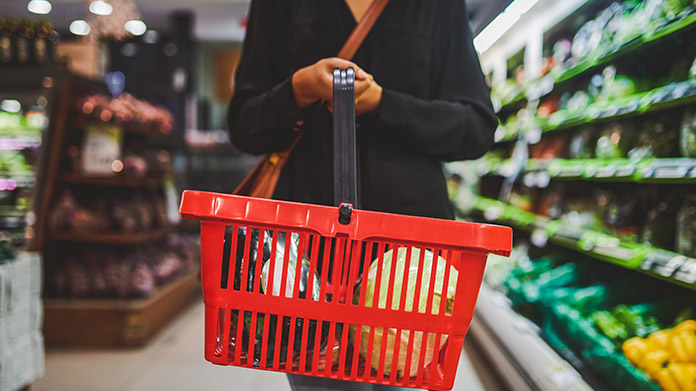
Grocery stores sell food and other household items. Often called supermarkets, grocery stores are go-to sources for a home’s food needs. They similarly sell important kitchen utensils, disposable items, cleaning materials, candy, alcohol, soft drinks, and self-care items. Today’s grocery stores are great resources for many products, making them important local resources.
Our guide is in 3 parts:
When startup investment is considered, grocery store owners can expect to spend between $70,000-$100,000 on equipment. A good point-of-sale system will require another $40,000. Initial inventory can be a massive investment, sitting around $160,000. Pre-opening expenses, including rent and insurance, can add another $10,000. These expenses, when combined with grand opening advertising, security deposits, and working capital, can easily surpass $500,000.
In some states, you can pay your employees between $7.25-$10 per hour, although in major cities that number could be much higher, and there are also currently 12 states with a minimum wage over $10 per hour. Utilities can be expensive, costing a grocer as much as $5,000 per month, depending on the size of their freezer section. Food needs to be restocked, which is a varying expense. To save money, purchase goods in bulk.
Preferred customers are locals. Because the grocery store business is competitive, small grocers thrive on local communities. Many shoppers choose to go to big-box stores like Walmart, Costco, Kroger, or Target for their food. Because of this, a new grocer will need to prioritize small communities, individual households, and college campuses by offering affordable food.
Grocery stores generate most of their volume selling processed foods, but they also make money by offering fresh meats and produce, cleaning products, and alcohol.
Grocery store prices vary wildly, as they offer a huge selection of products. Lesser food items may cost as little as $1, while packaged meats can cost as much as $20. As a rule of thumb: offer lower prices for multiple purchases. Again, your low-value offers will win your spot in the local market.
In 2016, the average American supermarket had total sales over $17 million. However, grocery stores are volume businesses with thin margins, as the average supermarket has a profit margin of just 1% to 3%. Even then, a successful independent store can profit up to $300,000 annually. Of course, these rates vary greatly on the area, the store’s specialty, and its size. For this reason, the average grocery store owner’s typical income is a bit unclear.
The easiest way to increase your store’s profitability is to stock the front of the store with impulse buys. Items like magazines and batteries can have profit margins of up to 70%, meaning that selling just a couple of these items can bring back the same profits as another shopper’s entire cart. Also, diversifying your store by adding amenities like a coffee shop can dramatically increase your profit potential.
A grocery store needs to stock a variety of products. They also have to help customers find, carry, and buy them. These products include ethnic foods, organic foods, frozen foods, and more. They must restock any perishable food before its expiration date. Additionally, the grocery store will need to stay competitive by offering low-priced options. Daily management includes cleaning, restocking, auditing, and selling.
First, a grocery store must have a competitive pricing plan. It should also have unique amenities, like a fresh meat deli. Some grocery stores gain competitive advantages by offering in-house craft beer stations, too. Over time, a successful grocery store will be a preferred local hotspot. To become this hotspot, you’ll need to browse your area’s demographics—targeting the most lucrative segments.
Grocery stores account for the largest share of food sales within the United States. In 2013 alone, grocery stores accounted for about 90% of the country’s overall food and beverage sales. The food retail industry is a low-margin, high-volume business. It has quite a bit of competition, and much of that competition is from well-established providers. If a small grocer doesn’t create a niche selling point, they may be outclassed by the big-box stores.
Make sure your highest-selling goods don’t perish quickly. If they do, market the store as a preferred “fresh market” of sorts. Vegan food and other organics are in high demand, and a newly started grocery store can thrive if it creates a niche for itself. That said, any additional costs will need to be leveraged against the revenue gained from your specialization.
For a grocery store of any size, your beginning team will probably need to have at least five people. Grocery stores are hard to manage, and you’ll need constant support to micromanage sales, restock inventory, help customers, and provide security. If you’re a small grocer who’s specializing in niche products, you may be able to get by with only having three workers. As your store grows, you’ll need at least ten employees, and possibly far more.
Read our grocery store hiring guide to learn about the different roles a grocery store typically fills, how much to budget for employee salaries, and how to build your team exactly how you want it.
Business Evaluation & Strategy Tool
We'll walk you through the four pillars every business needs: Points of Leverage, Marketing Strategy, Financial Model, and Personal Compatibility. At the end you'll see a personalized report and your action plan below will be tailored to your answers.
Every viable business has natural advantages. Below are common leverage points across four categories. Pick the ones that apply to your Grocery Store business. We've pre-suggested a few based on your idea — review and adjust.
Without a way to connect with customers, even great businesses fail. Pick the channels you plan to use to reach your customers.
Enter your monthly baseline costs — the minimum overhead to keep the business running. Then we'll calculate how many sales per month you need to break even.
A business that doesn't fit your life will fail no matter how good the numbers look. Tell us how this business fits you.
Complete the four pillars and your personalized summary will appear here.
Nine concrete steps to take you from idea to open business, grouped into 30-day phases. Complete the planner above and we'll highlight what's most important for your situation.
An LLC keeps your personal assets separate from business debts and lawsuits — the most common reason small business owners choose this structure. Sole proprietorships and partnerships do not provide this protection.
Apply for your free Employer Identification Number through the IRS, then register for any state or local taxes that apply to your business (sales tax, franchise tax).
A dedicated business account is required to maintain personal asset protection. Mixing personal and business finances ('piercing the corporate veil') can void your LLC's liability shield.
Recording expenses and income from day one makes tax filing easier and lets you see when the business is actually profitable. Use software (QuickBooks, Wave) or a part-time bookkeeper.
State and local requirements vary widely. Brick-and-mortar businesses typically need a Certificate of Occupancy; service businesses may need specific professional licensing; food businesses need health permits.
General Liability Insurance is the most common starting point. If you'll have employees, most states require Workers' Compensation. Specific industries need additional coverage (product liability, professional liability, etc.).
Your brand is how customers perceive and remember you. A clear name, logo, and visual identity make every later marketing decision easier and protect you legally as you grow.
Every legitimate business needs a website. Social media pages are not a substitute — you don't own the platform. Modern website builders mean you can launch a clean site in a weekend without a developer.
A dedicated business number keeps your personal life private, makes the business look legitimate, and lets you route calls professionally. Cloud phone services start under $20/month.
Starting a Grocery Store business typically costs $70,000 to $100,000. It is considered a high capital-intensity business.
A Grocery Store business runs roughly a 3% net profit margin, and most owners reach break-even in about 18 to 36 months.
You can usually launch a Grocery Store business in about 2 to 12 weeks, and it is commonly run full time.
A Grocery Store business is generally an intermediate-skill business to start, with stable demand. TRUiC rates it 47 out of 100 on our Idea Score.
Most Grocery Store businesses register as an LLC or other legal entity and obtain a general business license. Depending on your state and city you may also need industry-specific permits, sales tax registration, and zoning or health approvals, so check your local requirements before you launch.