Startup cost
$1.0k–$10k
TRUiC Business Ideas
Decision Snapshot
Idea Score
54
Startup cost
$1.0k–$10k
Profit margin
6%
Break-even
18 mo–36 mo
Time to launch
2 wk–12 wk
Demand trend
Stable
5-yr failure rate
—
Capital intensity
Medium
Time commitment
Full time
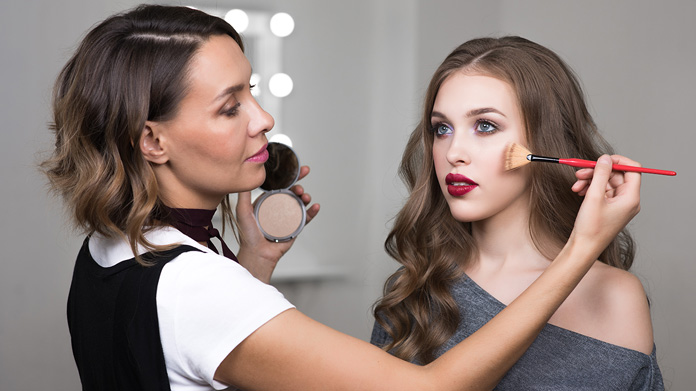
Starting your own makeup artist business offers the chance to combine your passion for beauty with the opportunity to build a thriving career, creating memorable experiences, enhancing personal confidence, and establishing a brand that reflects your unique artistic style.
In this comprehensive guide, we’ll walk you through all of the essential steps you’ll need to take to start your own makeup artist business, from conducting market research and securing funding to building your portfolio, establishing your brand, and attracting customers.
Our guide is in 3 parts:
The makeup artist industry has seen steady growth over the past five years, reaching $678.4 million in 2024. This expansion has been fueled by the rise of social media, influencer culture, and the increasing demand for personalized beauty services.
As the sector evolves, makeup artists are shifting their focus from traditional settings, such as film sets and retail counters, to new channels like social media collaborations and freelance work.
This change is driven by the growing need for flexible, on-demand services and the visibility offered by platforms like Instagram, YouTube, and TikTok.
Consequently, many makeup artists are transitioning away from fixed employment to independent business models, allowing them to tap into broader, more diverse markets.
Looking ahead, industry revenue is projected to surpass $720 million by 2029.
If you’re considering whether a makeup artist business is right for you, the first thing you’ll need to know is whether it’s a) affordable, and b) worth the investment. I mean, how much can you actually make running your own makeup artist business?
Well, it depends. The initial investment for a makeup artist business varies widely based on factors such as the range and quality of products and tools you plan to offer, the level of experience or certification you already have, and whether you plan to operate as a freelancer or establish a physical location:
Makeup Kit and Tools: You will need to invest between $1,000 and $3,000 in high-quality, professional makeup products, brushes, tools, and photography equipment. This includes a good camera, lighting, and accessories for capturing before-and-after photos or creating content for social media, ensuring you can showcase your work effectively across different platforms while catering to various client needs.
Certification and Training: You will need to consider enrolling in formal training or certification programs, which can cost between $500 and $5,000, depending on the course and institution.
Marketing and Branding: You will need to build a strong brand identity and establish an online presence. This includes developing a professional website, creating a digital portfolio to showcase your work, and investing in social media campaigns and influencer collaborations to expand your reach. The typical cost for these efforts ranges from $1000 to $5,000, depending on the complexity of the website, the scope of branding efforts, and the scale of your marketing initiatives.
Insurance and Licenses: Depending on where you’re located and the type of services you offer, you’ll likely need to secure various licenses and permits, as well as business insurance. You should expect to pay anywhere between $100 and $500 for licenses and permits, while general liability insurance, which covers potential accidents or damages, typically costs between $300 and $1,000 per year.
Travel Expenses: If you plan to offer mobile services, you will need to account for travel-related costs such as gas, transportation fees, and vehicle maintenance. Depending on the distance and frequency of travel, these costs can range from $100 to $500 per month, with higher expenses for longer distances or frequent appointments.
Studio or Workspace (if applicable): If you plan to operate from a physical studio, your biggest expense will likely be rent and utilities, which can range from $1,000 to $5,000 per month depending on the size of the space and its location.
Miscellaneous Supplies: You will need to stock up on sanitization products, disposable makeup tools (like sponges and applicators), and basic equipment like seating. You should expect to spend anywhere between $200 and $1,000 for these supplies to ensure a professional and hygienic setup for your clients.
Note: Although this isn’t something you absolutely need, we advise investing in an ergonomic, portable makeup chair, as this will allow you to position the client’s face optimally, making makeup application more efficient and precise.
The earning potential for makeup artists largely depends on the path they choose to pursue, with two main options: working with individual clients or securing business contracts.
Most makeup artists will need to decide early on whether to focus on consumer services, such as bridal makeup, events, or one-on-one appointments, or shift towards more stable contracts with businesses, brands, or media companies.
For those focusing on individual clients, earning potential can fluctuate based on the volume of bookings, with income increasing during high-demand seasons such as wedding or prom periods.
While this approach provides flexibility, it often requires constant client outreach and marketing to maintain steady income.
On the other hand, makeup artists who secure contracts with brands, production companies, or influencers may experience more consistent earnings. These contracts often provide predictable, ongoing work, offering the potential for higher profits with fewer clients to manage.
Having said that, you’ll likely be surprised to learn that neither path alone is typically how most makeup artists make the majority of their income.
This is because, in reality, most makeup artists achieve higher earnings through one of the following strategies: either by launching their own product line or by selling beauty products on behalf of brands and earning commissions or kickbacks.
Think about it: during a client appointment, all your expenses — such as time, transportation, and labor — are already covered.
If you offer a product, like a beauty cream that costs $12 to create and sells for $50, or if you receive a kickback for the same amount from a brand for recommending their product, the additional $38 is almost entirely profit.
Essentially, what you are achieving is becoming a retailer without the added costs of marketing, maintaining a storefront, or additional overhead, since you’re already with the clients.
You can typically start a makeup artist business for under $10,000.
This amount will cover the cost of tools, professional-grade makeup products, business insurance, and initial marketing efforts, such as creating a website and building a digital portfolio.
However, this will also depend on whether you plan to operate in a studio, offer mobile services, or work from home, as these choices can significantly impact your overall expenses.
To start a makeup artist business from home, you will need to invest in a quality makeup kit, create a portfolio, and set up a dedicated workspace.
You should also obtain all necessary licenses, such as a home occupation permit or a general business license, and try to build an online presence through social media.
To brand yourself as a makeup artist, you will need to focus on defining your unique style and values.
This can encompass themes such as sustainability, luxury, or inclusivity, and your choice should reflect a core message that aligns with the products and services you offer.
The goal is to attract clients who share those values and appreciate your approach to makeup artistry.
Makeup artists typically earn a substantial income, particularly when they cultivate a loyal client base and establish a strong brand presence.
Moreover, many makeup artists enhance their earnings through product sales and commission opportunities, which can create lucrative opportunities beyond their initial services.
Business Evaluation & Strategy Tool
We'll walk you through the four pillars every business needs: Points of Leverage, Marketing Strategy, Financial Model, and Personal Compatibility. At the end you'll see a personalized report and your action plan below will be tailored to your answers.
Every viable business has natural advantages. Below are common leverage points across four categories. Pick the ones that apply to your Makeup Artist business. We've pre-suggested a few based on your idea — review and adjust.
Without a way to connect with customers, even great businesses fail. Pick the channels you plan to use to reach your customers.
Enter your monthly baseline costs — the minimum overhead to keep the business running. Then we'll calculate how many sales per month you need to break even.
A business that doesn't fit your life will fail no matter how good the numbers look. Tell us how this business fits you.
Complete the four pillars and your personalized summary will appear here.
Nine concrete steps to take you from idea to open business, grouped into 30-day phases. Complete the planner above and we'll highlight what's most important for your situation.
An LLC keeps your personal assets separate from business debts and lawsuits — the most common reason small business owners choose this structure. Sole proprietorships and partnerships do not provide this protection.
Apply for your free Employer Identification Number through the IRS, then register for any state or local taxes that apply to your business (sales tax, franchise tax).
A dedicated business account is required to maintain personal asset protection. Mixing personal and business finances ('piercing the corporate veil') can void your LLC's liability shield.
Recording expenses and income from day one makes tax filing easier and lets you see when the business is actually profitable. Use software (QuickBooks, Wave) or a part-time bookkeeper.
State and local requirements vary widely. Brick-and-mortar businesses typically need a Certificate of Occupancy; service businesses may need specific professional licensing; food businesses need health permits.
General Liability Insurance is the most common starting point. If you'll have employees, most states require Workers' Compensation. Specific industries need additional coverage (product liability, professional liability, etc.).
Your brand is how customers perceive and remember you. A clear name, logo, and visual identity make every later marketing decision easier and protect you legally as you grow.
Every legitimate business needs a website. Social media pages are not a substitute — you don't own the platform. Modern website builders mean you can launch a clean site in a weekend without a developer.
A dedicated business number keeps your personal life private, makes the business look legitimate, and lets you route calls professionally. Cloud phone services start under $20/month.
Starting a Makeup Artist business typically costs $1,000 to $10,000. It is considered a medium capital-intensity business.
A Makeup Artist business runs roughly a 6% net profit margin, and most owners reach break-even in about 18 to 36 months.
You can usually launch a Makeup Artist business in about 2 to 12 weeks, and it is commonly run full time.
A Makeup Artist business is generally an expert-skill business to start, with stable demand. TRUiC rates it 54 out of 100 on our Idea Score.
Most Makeup Artist businesses register as an LLC or other legal entity and obtain a general business license. Depending on your state and city you may also need industry-specific permits, sales tax registration, and zoning or health approvals, so check your local requirements before you launch.