Startup cost
$50k–$500k
TRUiC Business Ideas
Decision Snapshot
Idea Score
31
Startup cost
$50k–$500k
Profit margin
6%
Break-even
4 mo–12 mo
Time to launch
12 wk–36 wk
Demand trend
Stable
5-yr failure rate
—
Capital intensity
Very high
Time commitment
Flexible
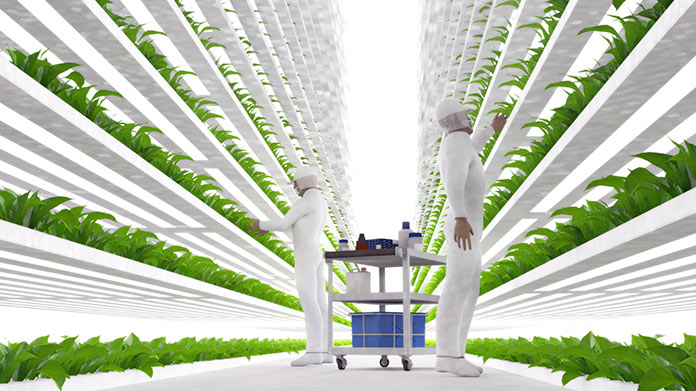
Growing plants hydroponically eliminates the need for soil, so it can be done anywhere. Many gardeners are getting into this form of gardening to grow plants they otherwise wouldn’t be able to. In order to grow plants hydroponically, gardeners need specialized equipment and supplies. Hydroponics stores sell the specialized equipment and supplies that hydroponic gardeners need.
According to IBISWorld, the hydroponics growing equipment stores industry has an annual revenue of $654 million and has been growing hat a rate of over 8 percent. There aren’t any companies with a dominant market share, leaving plenty of opportunities for new businesses.
Our guide is in 3 parts:
The startup expenses for a hydroponics store business are sizable. Business owners must pay for:
Storefront: Leasing costs will likely total several thousand dollars per month.
POS system: This cost can be as low as a per-swipe fee with a mobile phone card reader, to thousands of dollars for a more traditional system. You may be able to finance these costs monthly.
Inventory: This will likely be one of your biggest costs. You will need to stock your store with enough equipment for customers to start their hydroponic gardens. You may be able to offset these costs by ordering your items via drop-shipping. This way, you only pay for what you need as you need it.
Store sign: These costs are highly variable.
Inventory costs alone can be significant, for businesses need a variety of complex equipment to sell. Customers may be looking for grow tunnels, greenhouses, climate control systems and irrigation equipment.
Those who open an independent store might be able to reduce their capital requirements slightly, but all of the initial expenses still aren’t cheap.
A hydroponics store business’ ongoing expenses are sizable but manageable. Rent is one of the main costs, but this can be kept low by choosing an inexpensive location. Most gardeners who need hydroponics equipment are willing to drive to a specialty store, so it’s possible to choose a location that’s in a lower-rent district. Other ongoing costs include utilities, purchasing additional inventory, insurance and employees’ salaries.
A hydroponics store business’ ideal customers are avid gardeners who want to grow plants indoors and without soil. Passionate gardeners will likely want to grow many plants and, therefore, need lots of equipment and supplies.
A hydroponics store business makes money by selling hydroponics equipment, supplies, and nutrients. Equipment sales can be for large sums, while supplies and nutrients can provide recurring sales.
The cost of hydroponics equipment and supplies varies a lot. A bottle of nutrients might sell for just a couple dollars, while a complete advanced climate control system might be over $1,000. Instructables reports that a basic multi-plant kit might cost $185, while a single pot may sell for $50.
A hydroponics store business can bring in six- and seven-figure sums annually. For example Seattle Hydro Spot was bringing in about $1 million annually before it was purchased by a competitor.
Because the ongoing expenses of a store are significant, profits can be much lower than revenue. A business owner who is able to run an efficient operation will still be able to realize solid returns on their investment, though.
A hydroponics store business can increase its revenue by manufacturing and branding its own equipment. This requires in-depth knowledge about hydroponics, but business owners who have this knowledge will be able to reduce their cost of goods — and, thus, increase their profits.
Running a hydroponics store business mainly involves helping customers, selling equipment and supplies, and reordering inventory as necessary. In between customers, business owners or staff spend time straightening inventory, restocking items, cleaning, and tending to any plants a store has growing.
In order to successfully sell hydroponics equipment and supplies, it’s necessary to know how to use them. Gaebler notes that most business owners grow into owning a hydroponics store, starting to grow plants hydroponically as a part-time hobby first.
Business owners who want don’t have experience with hydroponics can take courses on the subject. The Institute of Culinary Education, The University of Arizona and other schools offer courses and workshops on various aspects of hydroponics. Alternatively, ACS Distance Education has an online Certificate in Hydroponics.
In addition to taking courses, it’s also wise to have a couple books on hand as references. Hydroponics: The Complete Guide to Hydroponics for Beginners and Hydroponics: Gardening at Home Without a Garden are just two of many titles that cover topics in hydroponics.
A hydroponics store business may be a small, local store, or it can have several locations throughout a region. The Grow Show in Ann Arbor, Michigan and Grass Valley HydroGarden in Grass Valley, California are a couple of examples of local hydroponics stores. GreenCoast Hydroponics has several locations on the West Coast.
A new hydroponics store business may not have everything that customers want in stock. Offering to place special orders at no additional cost — or even at a discount — could help prevent customers from going to other stores. Even if little profit is made on a special order, developing a reputation as a business that will place such orders will keep customers returning for specialized service. These customers will likely also purchase other supplies and nutrients that are in stock — ones that do provide a profit.
Most hydroponics stores start out with a small staff, sometimes just the business owner. Hiring at least one or two people as early as possible, though, is important for a business’ sustained growth. Without a staff of at least a couple people, business owners can’t take a day off for vacation or illness. They also aren’t able to spend as much time sharing their knowledge through workshops or classes.
Business Evaluation & Strategy Tool
We'll walk you through the four pillars every business needs: Points of Leverage, Marketing Strategy, Financial Model, and Personal Compatibility. At the end you'll see a personalized report and your action plan below will be tailored to your answers.
Every viable business has natural advantages. Below are common leverage points across four categories. Pick the ones that apply to your Hydroponics Store business. We've pre-suggested a few based on your idea — review and adjust.
Without a way to connect with customers, even great businesses fail. Pick the channels you plan to use to reach your customers.
Enter your monthly baseline costs — the minimum overhead to keep the business running. Then we'll calculate how many sales per month you need to break even.
A business that doesn't fit your life will fail no matter how good the numbers look. Tell us how this business fits you.
Complete the four pillars and your personalized summary will appear here.
Nine concrete steps to take you from idea to open business, grouped into 30-day phases. Complete the planner above and we'll highlight what's most important for your situation.
An LLC keeps your personal assets separate from business debts and lawsuits — the most common reason small business owners choose this structure. Sole proprietorships and partnerships do not provide this protection.
Apply for your free Employer Identification Number through the IRS, then register for any state or local taxes that apply to your business (sales tax, franchise tax).
A dedicated business account is required to maintain personal asset protection. Mixing personal and business finances ('piercing the corporate veil') can void your LLC's liability shield.
Recording expenses and income from day one makes tax filing easier and lets you see when the business is actually profitable. Use software (QuickBooks, Wave) or a part-time bookkeeper.
State and local requirements vary widely. Brick-and-mortar businesses typically need a Certificate of Occupancy; service businesses may need specific professional licensing; food businesses need health permits.
General Liability Insurance is the most common starting point. If you'll have employees, most states require Workers' Compensation. Specific industries need additional coverage (product liability, professional liability, etc.).
Your brand is how customers perceive and remember you. A clear name, logo, and visual identity make every later marketing decision easier and protect you legally as you grow.
Every legitimate business needs a website. Social media pages are not a substitute — you don't own the platform. Modern website builders mean you can launch a clean site in a weekend without a developer.
A dedicated business number keeps your personal life private, makes the business look legitimate, and lets you route calls professionally. Cloud phone services start under $20/month.
Starting a Hydroponics Store business typically costs $50,000 to $500,000. It is considered a very high capital-intensity business.
A Hydroponics Store business runs roughly a 6% net profit margin, and most owners reach break-even in about 4 to 12 months.
You can usually launch a Hydroponics Store business in about 12 to 36 weeks, and it is commonly run flexible.
A Hydroponics Store business is generally an intermediate-skill business to start, with stable demand. TRUiC rates it 31 out of 100 on our Idea Score.
Most Hydroponics Store businesses register as an LLC or other legal entity and obtain a general business license. Depending on your state and city you may also need industry-specific permits, sales tax registration, and zoning or health approvals, so check your local requirements before you launch.