Startup cost
$250k–$500k
TRUiC Business Ideas
Decision Snapshot
Idea Score
30
Startup cost
$250k–$500k
Profit margin
5%
Break-even
4 mo–12 mo
Time to launch
12 wk–36 wk
Demand trend
Stable
5-yr failure rate
—
Capital intensity
Very high
Time commitment
Flexible
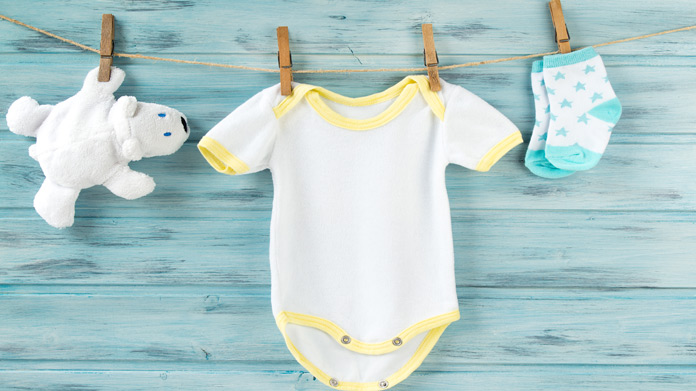
A baby store sells clothing, furniture, toys, food, and accessories geared toward young children and their family. Your store may be a big box location that offers affordable items targeted at the majority of families or a boutique featuring unique designs and products with a higher purchase price. You may offer a baby shower registry, support services for new parents, and even rental equipment.
Our guide is in 3 parts:
Whether you are buying into a franchise, or starting out on your own, the investment required for a new baby store is significant. You will need capital for leasing/purchasing the storefront, initial inventory orders, hiring staff, point-of-sale systems, accounting computers, display racks, and living expenses for the first three years. You should not be surprised to need between $250,000 and $500,000 to start-up. If you are going for a big-box style store, minimum investment will be at least $1 million.
Your payroll will be the largest controllable expense. Otherwise, maintaining inventory will always be a huge line item in your budget. Maintaining the property and computer systems comes in third.
Anybody who is expecting a baby, has a child, or knows somebody with children. While more profit per item can be made with a more upscale boutique, a budget friendly store will always be in high demand. Practically the entire world is your potential customer base.
You will be purchasing your products at a wholesale rate from a variety of manufacturers and distributors. You earn a profit by selling them at a retail rate.
You will need to actively run comparisons of baby products priced online and in your area. You may be selling some items for one dollar, while furniture can run in the thousands.
Hugely profitable international children’s stores can generate annual income of up to $5 million per location, but a small boutique may see annual sales of around $150,000. The average personal income for a boutique owner is around $50,000 per year. The average net profit for apparel is between 5% and 10% while furniture offers better profit per piece, but much lower volume of sales.
You will need to find the balance of low-profit items that are always in demand like clothing, diapers, and small toys and offer an enticing mix of high-profit items such as furniture, accessories, and home decor pieces in order to ensure constant repeat business and encourage impulse sales.
When you run your own baby store, you will be:
Matching customers to the right product that fits their style, budget, and needs
Completing sales
Finding new products for your shelves by curating new vendors and product lines
Hiring and training sales staff
Balancing your books
Maintaining the store–keeping it clean and in good shape
Creating marketing campaigns that generate new interest among the community
Setting up your own online store which requires a wrapping and shipping station
Creating attractive displays in the store that helps your customers find the items for which they are looking
Working weekends and extended hours, especially during holiday periods
Before you decide to open your baby boutique, you will need to know:
Business management skills
What the trending styles are
Basic accounting skills
Inventory control procedures
Personnel hiring and training procedures
Best customer service practices
Current styles, products, and pricing for everything available in the baby store market
The demographics of your target location to help build a store that meets local demand
Accurate profit and loss projections for a start-up
If you should develop a unique shopping atmosphere with a selection of products that your customers can’t get enough of, it is possible to expand your hugely successful single storefront to a second or multiple locations. Since people will always have babies, there is always room in the market for a fresh look at baby stores. Your commitment to style, price, service, and selection will determine your future success in this business.
While your new store should have a selection of unique toys and styles that can’t be found at the competition, there are plenty of basics you should stock, too. When parents can buy everything from diapers and bibs to bottles and cribs, they will come back in the future. Coordinate with local day cares, labor units at your hospital, and other kid-central locations to cross promote products and services. You might want to rent booths at health fairs, town parades, and other public events and offer balloons or coupons to get name recognition within the neighborhood.
If you are opening a large store, you will start hiring management as soon as the location is ready for occupation. Your sales staff can be brought on board two weeks before opening.
Business Evaluation & Strategy Tool
We'll walk you through the four pillars every business needs: Points of Leverage, Marketing Strategy, Financial Model, and Personal Compatibility. At the end you'll see a personalized report and your action plan below will be tailored to your answers.
Every viable business has natural advantages. Below are common leverage points across four categories. Pick the ones that apply to your Baby Store business. We've pre-suggested a few based on your idea — review and adjust.
Without a way to connect with customers, even great businesses fail. Pick the channels you plan to use to reach your customers.
Enter your monthly baseline costs — the minimum overhead to keep the business running. Then we'll calculate how many sales per month you need to break even.
A business that doesn't fit your life will fail no matter how good the numbers look. Tell us how this business fits you.
Complete the four pillars and your personalized summary will appear here.
Nine concrete steps to take you from idea to open business, grouped into 30-day phases. Complete the planner above and we'll highlight what's most important for your situation.
An LLC keeps your personal assets separate from business debts and lawsuits — the most common reason small business owners choose this structure. Sole proprietorships and partnerships do not provide this protection.
Apply for your free Employer Identification Number through the IRS, then register for any state or local taxes that apply to your business (sales tax, franchise tax).
A dedicated business account is required to maintain personal asset protection. Mixing personal and business finances ('piercing the corporate veil') can void your LLC's liability shield.
Recording expenses and income from day one makes tax filing easier and lets you see when the business is actually profitable. Use software (QuickBooks, Wave) or a part-time bookkeeper.
State and local requirements vary widely. Brick-and-mortar businesses typically need a Certificate of Occupancy; service businesses may need specific professional licensing; food businesses need health permits.
General Liability Insurance is the most common starting point. If you'll have employees, most states require Workers' Compensation. Specific industries need additional coverage (product liability, professional liability, etc.).
Your brand is how customers perceive and remember you. A clear name, logo, and visual identity make every later marketing decision easier and protect you legally as you grow.
Every legitimate business needs a website. Social media pages are not a substitute — you don't own the platform. Modern website builders mean you can launch a clean site in a weekend without a developer.
A dedicated business number keeps your personal life private, makes the business look legitimate, and lets you route calls professionally. Cloud phone services start under $20/month.
Starting a Baby Store business typically costs $250,000 to $500,000. It is considered a very high capital-intensity business.
A Baby Store business runs roughly a 5% net profit margin, and most owners reach break-even in about 4 to 12 months.
You can usually launch a Baby Store business in about 12 to 36 weeks, and it is commonly run flexible.
A Baby Store business is generally an intermediate-skill business to start, with stable demand. TRUiC rates it 30 out of 100 on our Idea Score.
Most Baby Store businesses register as an LLC or other legal entity and obtain a general business license. Depending on your state and city you may also need industry-specific permits, sales tax registration, and zoning or health approvals, so check your local requirements before you launch.