Startup cost
$500–$3k
TRUiC Business Ideas
Decision Snapshot
Idea Score
65
Startup cost
$500–$3k
Profit margin
21%
Break-even
4 mo–12 mo
Time to launch
12 wk–36 wk
Demand trend
Stable
5-yr failure rate
—
Capital intensity
Low
Time commitment
Full time
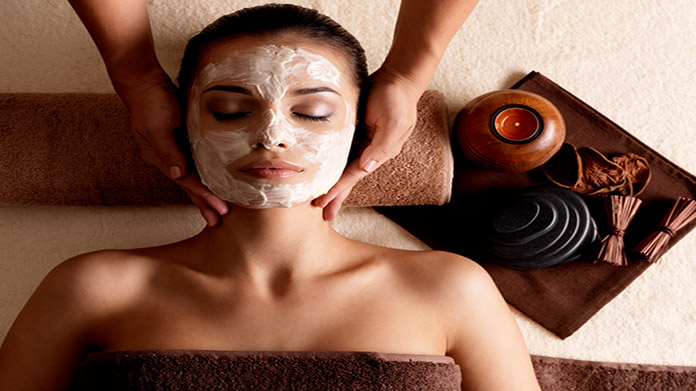
Day spas provide a relaxing atmosphere and a variety of treatments designed to refresh and rejuvenate. Some of the most common services offered by smaller day spas are facials, massages, manicures and pedicures, waxing, electrolysis, and aromatherapy. Larger day spas with more complex facilities are able to offer additional options such as body wraps, mud baths, or hydrotherapy treatments.
Our guide is in 3 parts:
The cost of opening a day spa business depends on the type of day spa you want to open. A business license is required for opening any business, and some types of day spas require additional licenses and/or certifications. A number of day spa owners now provide mobile services to their clients, which means less monthly overhead for space rent. Many day spa owners also rent part of their space to independent contractors with their own equipment. In addition to space rent and the purchase of equipment and initial product inventory, creating the necessary ambiance for this type of business requires an additional $500 to $3000 for layout, design, and decoration. The Small Business Association offers many resources, including information on types of loans.
Read our day spa purchasing guide to learn about the materials and equipment you’ll need to start a day spa, how much to budget, and where to make purchases.
The cost of liability insurance (approximately $250 annually)
Maintenance of equipment
Space rent in commercial areas averages approximately $1.00 per square foot, but in larger metropolitan areas it can be as high as $2.50 or more. While a small in-home day spa can be operated with 300-500 feet, most day spas require 1000-2000 square feet or more. Parking space is also an important consideration.
Beauty supplies such as oils, lotions, facial masks, etc.
Preferred customers are those who are enthusiastic about relaxation and holistic health practices and have sufficient funds to invest in health and wellness products and services. These customers will view your spa as both a necessary resource for rejuvenation and a special treat to occupy a day of leisure.
A day spa business makes money by charging customers for a variety of personal care products, treatments, and services. Products are purchased wholesale in quantity and resold at retail value. Services are priced at an hourly rate above that charged by the provider. Day spa businesses also make money by renting space to independent contractors that provide additional services.
Massage services are commonly priced in half hour increments with an hourly cost of between $65 and $85 dollars per hour. 55% of the service price commonly goes to the service provider. The cost of a pedicure can range from between $20 to $65. The cost of a facial can range from $50 to over $250, depending on the type of ingredients used and the length of time required. Most day spas offer a continuously changing variety of service packages that provide their customers with the opportunity to spend an entire day being pampered. For example, a $150 package may include a facial, a manicure, and a half-hour of therapeutic massage. Overall pricing fluctuates according to changes in the national and local economies, so it’s a good idea to research competitor’s prices regularly.
The average annual earnings of day spa owners is between $35,000 and $120,000. Small day spas can earn up to $100,000, while large spas offering more expensive equipment and services, such as hydrotherapy, saunas and mud baths, can earn much more.
A good business plan can help increase your profit margin. Selling retail products that help define and reinforce your spa’s image can also generate significant income. Nutritional supplements and other health and beauty-related products should be arranged attractively in the reception area. Products such as water bottles with your spa’s name, logo, or slogan can provide inexpensive advertising as well as generate additional revenue. Networking with other service providers within the self-care industry, such as acupuncturists or reflexologists, will enable you to offer your customers a wider variety of services. Expanding your customer base can help attract a greater number of customers with differing needs.
Hiring and training staff
Networking with professionally licensed service providers
Researching new products and ordering supplies
Developing and expanding a menu of services
Advertising and creating sales promotions
Interpersonal communication skills are essential for understanding and meeting customers’ needs
Professional certification or license for cosmetology or massage
A thorough understanding of all treatments offered
The ability to educate staff and customers about new treatments and products
Artistic design and decoration skills to create an attractive and inviting environment
Franchise opportunities exist for both large and small day spas. Additionally, it is possible to expand within a single location by offering additional services, hiring an outside professional such as a massage therapist, or undergoing construction to add private massage rooms, a sauna, or a pool.
Joining a day spa franchise can be a good option for entrepreneurs who prefer to use a proven model rather than start from scratch. While joining one can mean slightly higher initial costs and less control, a quality franchise offers great benefits such as initial and ongoing support, marketing assistance, and brand recognition.
Opening a day spa franchise typically requires $120,000-$800,000. Larger day spa franchises typically cost more, while more niche favorites often have lower startup costs.
Interested in joining a day spa franchise? Check out our favorites.
It’s important to build a team of associates from the beginning of your business venture. The success of a day spa depends on both the quality and the quantity of services it offers. Having a network of professionals to refer your customers to for services your own spa doesn’t provide, and vice versa, is essential. To succeed, this type of business requires a delicate balance between competition and cooperation.
Read our day spa hiring guide to learn about the different roles a day spa typically fills, how much to budget for employee salaries, and how to build your team exactly how you want it.
Business Evaluation & Strategy Tool
We'll walk you through the four pillars every business needs: Points of Leverage, Marketing Strategy, Financial Model, and Personal Compatibility. At the end you'll see a personalized report and your action plan below will be tailored to your answers.
Every viable business has natural advantages. Below are common leverage points across four categories. Pick the ones that apply to your Day Spa business. We've pre-suggested a few based on your idea — review and adjust.
Without a way to connect with customers, even great businesses fail. Pick the channels you plan to use to reach your customers.
Enter your monthly baseline costs — the minimum overhead to keep the business running. Then we'll calculate how many sales per month you need to break even.
A business that doesn't fit your life will fail no matter how good the numbers look. Tell us how this business fits you.
Complete the four pillars and your personalized summary will appear here.
Nine concrete steps to take you from idea to open business, grouped into 30-day phases. Complete the planner above and we'll highlight what's most important for your situation.
An LLC keeps your personal assets separate from business debts and lawsuits — the most common reason small business owners choose this structure. Sole proprietorships and partnerships do not provide this protection.
Apply for your free Employer Identification Number through the IRS, then register for any state or local taxes that apply to your business (sales tax, franchise tax).
A dedicated business account is required to maintain personal asset protection. Mixing personal and business finances ('piercing the corporate veil') can void your LLC's liability shield.
Recording expenses and income from day one makes tax filing easier and lets you see when the business is actually profitable. Use software (QuickBooks, Wave) or a part-time bookkeeper.
State and local requirements vary widely. Brick-and-mortar businesses typically need a Certificate of Occupancy; service businesses may need specific professional licensing; food businesses need health permits.
General Liability Insurance is the most common starting point. If you'll have employees, most states require Workers' Compensation. Specific industries need additional coverage (product liability, professional liability, etc.).
Your brand is how customers perceive and remember you. A clear name, logo, and visual identity make every later marketing decision easier and protect you legally as you grow.
Every legitimate business needs a website. Social media pages are not a substitute — you don't own the platform. Modern website builders mean you can launch a clean site in a weekend without a developer.
A dedicated business number keeps your personal life private, makes the business look legitimate, and lets you route calls professionally. Cloud phone services start under $20/month.
Starting a Day Spa business typically costs $500 to $3,000. It is considered a low capital-intensity business.
A Day Spa business runs roughly a 21% net profit margin, and most owners reach break-even in about 4 to 12 months.
You can usually launch a Day Spa business in about 12 to 36 weeks, and it is commonly run full time.
A Day Spa business is generally an intermediate-skill business to start, with stable demand. TRUiC rates it 65 out of 100 on our Idea Score.
Most Day Spa businesses register as an LLC or other legal entity and obtain a general business license. Depending on your state and city you may also need industry-specific permits, sales tax registration, and zoning or health approvals, so check your local requirements before you launch.