Startup cost
$5k–$25k
TRUiC Business Ideas
Decision Snapshot
Idea Score
64
Startup cost
$5k–$25k
Profit margin
21%
Break-even
4 mo–12 mo
Time to launch
12 wk–36 wk
Demand trend
Stable
5-yr failure rate
—
Capital intensity
Medium
Time commitment
Full time
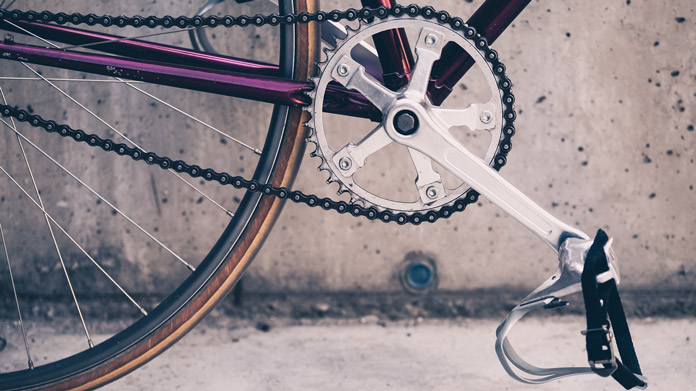
Cycling is a popular sport in the United States, with people regularly using bikes for fun, exercise, and transportation. In 2015 alone, 17.4 million bikes were sold in the country. As bikes are used, they occasionally break down — and most people aren’t well-versed in repairing bicycles. A bike repair business fixes and refurbishes bikes for customers when their rides break down.
Our guide is in 3 parts:
Startup expenses associated with opening a bicycle repair business are fairly minimal, although you’ll probably need these essential items:
Basic tools (open wrenches, hex keys, screwdrivers, a ratchet set, wire cutters, adjustable pliers)
Specialized tools (tire spoons, a chain breaker, a tire pump and pressure gauge, a spoke wrench, a crank arm pulley)
Work stand
Truing stand (for wheels)
Business owners who don’t already have these tools should expect to spend a few hundred dollars on them.
Repairing bikes also requires a workspace and replacement parts, but both of these potential costs can be kept to almost nothing. Many bike repair business owners have begun by fixing bikes in their garage or basement so that they didn’t have to worry about lease payments until their business was established. The cost of replacement parts is normally built into the invoices customer pay, and customers who need expensive parts can be asked to provide a deposit upfront. Such a deposit can be used to cover the cost of the needed parts.
The ongoing expenses for a bike repair business are fairly low. They include:
Employee salaries
Workspace or storefront lease
Utility costs
A bike repair business’ ideal customer is an avid cycler who doesn’t know how, or doesn’t want to take the time and effort, to repair their own bike. Such a customer will likely need repairs and maintenance fairly often, since they use their bike a lot, and they’ll be willing to pay for the work their bike requires.
A bike repair business makes money not only by fixing bicycles, but also selling used them at a discounted rate. Many shops choose to offer tune-ups for a flat fee, and charge more for additional repairs.
Many bike repair businesses offer basic tune-ups for a set fee, and perform more advanced repairs at an adjustable rate. For example, Wheels in Motion offers three levels of tune-ups that range in price from $79.99 to $214.99. Repairs that go beyond what’s included in a tune-up are usually priced based on the parts and labor they require.
Some bike repair business owners earn up to $35 per hour or more, not including any profit they earn on parts sales. Business owners who grow their business into full-time businesses may earn $1,600 per week or more.
Bike repair business owners can add new revenue sources and increase their profits, by offering workshops on fixing bikes and repairing old bicycles. Some cycling enthusiasts will pay for a class that shows them how to care for and repair their own bikes. Refurbishing old bikes can also net a nice profit, as they can be sold once they’re repaired and working properly.
Bike repair business owners spend a lot of time working on bicycles. This work includes:
Testing bikes to diagnose issues
Stripping bikes down
Checking and cleaning components
Repairing or replacing broken pieces
Rebuilding bikes
When not working on a bike, business owners spend time ordering parts, conversing with customers, and marketing their businesses.
Successfully running a bike repair business requires an in-depth knowledge of bikes, how they’re put together and how they work. Business owners must be able to take apart any bike they work on, identify any issues, address those issues and put the bike back together.
Many regions have community programs and trade schools where business owners can learn these skills. Entrepreneurs who don’t have a program or school nearby may gain the necessary skills by working at an established bike repair shop for a season. The National Bicycle Dealers Association hosts seminars and educational programs for professionals in the bike industry, and may be another useful resource.
After completing any training, business owners should keep a couple of bike repair manuals readily available for consulting. A few widely available repair books are:
At HowToFixBikes.ca, Gerry (a professional in the industry) recommends that aspiring business owners prove their skills by working on their own bikes. Stripping a bike down to just its frame, lubricating all bearings and fully rebuilding the bike will help a business owner feel confident they’re ready to repair other people’s bikes.
Many bike repair businesses are individual locations that serve the local cycling community, and a number are run by just one or two people. Some, however, grow beyond a local area, eventually becoming regional or national businesses. Bike Doctor in Maryland is an example of a regional bike repair chain, and Velofix is a national one.
Business owners can increase their profit margin by seeking out donor bikes — free bikes that no one wants, regardless of their condition. When work is slow, business owners can strip down donor bikes for spare parts. Many bikes have bearings, brake calipers, chains and cranks that will work on other models.
Bike repair business owners can then use these parts whenever they work for a job. Owners can ultimately sell the parts, earning pure profit on anything they charge since the parts were free. Alternatively, owners can provide the parts free of charge, as long as cyclists pay for the labor that a repair requires. This can be especially helpful in growing a business, as the parts cost only time to acquire, and everyone enjoys receiving freebies.
A bike repair business can remain a small business that’s run by just one person, or it can grow to have several employees who are constantly working on bikes. Business owners usually hire their first employee only after their business’ revenue can support an employee. The Recyclery pays its bike mechanics $13 per hour.
Read our bike repair business hiring guide to learn about the different roles a bike repair business typically fills, how much to budget for employee salaries, and how to build your team exactly how you want it.
Business Evaluation & Strategy Tool
We'll walk you through the four pillars every business needs: Points of Leverage, Marketing Strategy, Financial Model, and Personal Compatibility. At the end you'll see a personalized report and your action plan below will be tailored to your answers.
Every viable business has natural advantages. Below are common leverage points across four categories. Pick the ones that apply to your Bike Repair business. We've pre-suggested a few based on your idea — review and adjust.
Without a way to connect with customers, even great businesses fail. Pick the channels you plan to use to reach your customers.
Enter your monthly baseline costs — the minimum overhead to keep the business running. Then we'll calculate how many sales per month you need to break even.
A business that doesn't fit your life will fail no matter how good the numbers look. Tell us how this business fits you.
Complete the four pillars and your personalized summary will appear here.
Nine concrete steps to take you from idea to open business, grouped into 30-day phases. Complete the planner above and we'll highlight what's most important for your situation.
An LLC keeps your personal assets separate from business debts and lawsuits — the most common reason small business owners choose this structure. Sole proprietorships and partnerships do not provide this protection.
Apply for your free Employer Identification Number through the IRS, then register for any state or local taxes that apply to your business (sales tax, franchise tax).
A dedicated business account is required to maintain personal asset protection. Mixing personal and business finances ('piercing the corporate veil') can void your LLC's liability shield.
Recording expenses and income from day one makes tax filing easier and lets you see when the business is actually profitable. Use software (QuickBooks, Wave) or a part-time bookkeeper.
State and local requirements vary widely. Brick-and-mortar businesses typically need a Certificate of Occupancy; service businesses may need specific professional licensing; food businesses need health permits.
General Liability Insurance is the most common starting point. If you'll have employees, most states require Workers' Compensation. Specific industries need additional coverage (product liability, professional liability, etc.).
Your brand is how customers perceive and remember you. A clear name, logo, and visual identity make every later marketing decision easier and protect you legally as you grow.
Every legitimate business needs a website. Social media pages are not a substitute — you don't own the platform. Modern website builders mean you can launch a clean site in a weekend without a developer.
A dedicated business number keeps your personal life private, makes the business look legitimate, and lets you route calls professionally. Cloud phone services start under $20/month.
Starting a Bike Repair business typically costs $5,000 to $25,000. It is considered a medium capital-intensity business.
A Bike Repair business runs roughly a 21% net profit margin, and most owners reach break-even in about 4 to 12 months.
You can usually launch a Bike Repair business in about 12 to 36 weeks, and it is commonly run full time.
A Bike Repair business is generally an intermediate-skill business to start, with stable demand. TRUiC rates it 64 out of 100 on our Idea Score.
Most Bike Repair businesses register as an LLC or other legal entity and obtain a general business license. Depending on your state and city you may also need industry-specific permits, sales tax registration, and zoning or health approvals, so check your local requirements before you launch.