Startup cost
$2k
TRUiC Business Ideas
Decision Snapshot
Idea Score
63
Startup cost
$2k
Profit margin
14%
Break-even
4 mo–12 mo
Time to launch
2 wk–8 wk
Demand trend
Stable
5-yr failure rate
—
Capital intensity
Low
Time commitment
Full time
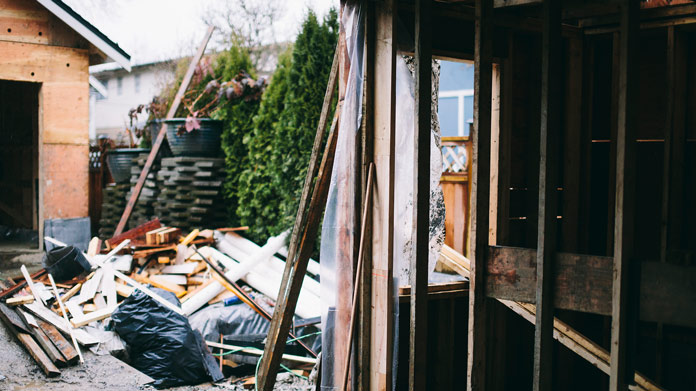
Construction cleanup service providers clear a building’s construction area. These crews make sure an area is ready for the next stage of work, while also ensuring the area’s safety. Construction cleanup companies have several duties. They clean buildings between construction stages and prepare areas to become safe work environments. Construction cleanup crews can conduct final sanitization and cleanings, making sure a remodeling project is complete.
Our guide is in 3 parts:
Startup costs are relatively low—sitting around $2,000. Materials will need to be purchased. Normally, a cleanup crew needs chemical cleaners, mops, brooms, a shop vac, ladders, window cleaning materials, and similar items.
You’ll also need a wheelbarrow and other hauling materials. While you may not need a workshop, having one can certainly help. Monthly rent, for a small shop, is about $2,000. Consider spending another $1,000 on startup advertisement costs. These costs will cover detailed brochures, promotional packages, and similar items.
A construction cleaning crew’s expenses aren’t too high. Cleaning materials, per job, can amount to less than $100. These expenses account for used cleaners, equipment depreciation and worker time. On average, a cleaning crew operator is paid between $20 and $30 for their time. Ideally, you’ll be paying your workers more than you’ll be paying for materials.
Typical construction cleanup company clients are commercial and residential property owners. A construction crew can work on a home, a warehouse, a factory, or even an apartment complex. Because they can serve many areas, the best clients are those who communicate effectively. To make more money, a construction cleanup company may provide services to networks such as apartments, hotels, and business strips.
A construction cleanup service is paid by project. Normally, a project includes sanitization. A crew must clean the area, making sure it’s safe and operable. All thresholds, too, must be cleaned. Once all dust, dirt, and other materials have been lifted, the crew will have completed its job. While a crew typically makes money for cleanup projects, they can also make money by preparing spaces for construction. Construction is a lengthy process, and a crew may be needed before, during, or after an area is tended to.
Prices for pre-and post-construction cleanup jobs vary. That said, the average price for a residential cleaning job is between $500 and $800. Meanwhile, commercial cleanup budgets are about $0.10 to $0.50 per square foot. Most homeowners spend between $227 and $663 per service. Specialty cleanings can be charged at around $1,000.
A successful construction cleanup service can make about $100,000 in revenue, annually. The leader of the construction cleanup crew leader makes around $50,000. Again, most expenses are directed towards paying other employees. Because construction cleanup services are served on a client-to-client basis, a crew’s success depends on its area.
Post-construction cleanup is pretty niche. For this reason, it’s a good idea to serve commercial properties. These properties have a lot of cleanliness regulations. Also, find homeowners who are looking for minor renovations. Typically, these clients will pay more for square-foot cleaning coverage. If a client isn’t paying much for overall construction, they’ll splurge more on post-construction cleanup.
A construction cleanup crew services both commercial and residential construction sites. A cleanup crew is in charge of dusting, shining, and polishing appliances. They also clean furnishings and hardware. Often a construction cleanup company will clear large debris. Because they’re relied on for garbage disposal, most services tie in with local waste laws. A construction cleanup company must also reach out to construction companies. A construction cleanup company thrives in construction sites, so a deep understanding of area codes is important.
Because a cleanup service is sometimes viewed as an accessory service, they often need to seek out new clients. Cleaning skills count. You should know how to remove sticker labels, vacuum window tracks, use a shop vac, remove furniture drawers, and clean sawdust. You should also understand the use of different cleaning solutions. Dusting, polishing, cleaning, and mopping are useful skills.
From an administrative standpoint, it’s important to understand local marketing. A construction cleanup business needs to search for its clients, so understanding the area’s construction needs can help. What areas are changing? Are new neighborhoods being developed? What about new shops?
A lot of construction cleanup services work locally. Depending on the area, a cleanup service can expand to serve a network of providers. Often, a cleanup service will thrive alongside professional construction groups. If an area has a lot of urban development, a construction cleanup service can expect to find a lot of work. Competition can be fierce, however. Construction cleanup isn’t sought after due to its high-quality amenities. Sometimes, residents assume it’s akin to maintenance work. For this reason, a construction cleanup business needs to offer quick, affordable services to thrive in the professional world. Specialization with hardwood, marble, or other valuable materials is a plus. If a construction cleanup provider can clean unique services, they’ll offer unique value.
You should visit your clients in person. Because construction cleanup services are specific to location, the job, and the construction company, clients will want to meet you. Also, have a solid promotional package to show them. All potential customers should understand the scope of your work.
You should start with a team of two to three people. While you can clean construction areas yourself, it’s advisable to expand your services from a firm foundation. More workers equal speedier services. At the start, speedy services will get you more contracts.
Business Evaluation & Strategy Tool
We'll walk you through the four pillars every business needs: Points of Leverage, Marketing Strategy, Financial Model, and Personal Compatibility. At the end you'll see a personalized report and your action plan below will be tailored to your answers.
Every viable business has natural advantages. Below are common leverage points across four categories. Pick the ones that apply to your Construction Clean Up business. We've pre-suggested a few based on your idea — review and adjust.
Without a way to connect with customers, even great businesses fail. Pick the channels you plan to use to reach your customers.
Enter your monthly baseline costs — the minimum overhead to keep the business running. Then we'll calculate how many sales per month you need to break even.
A business that doesn't fit your life will fail no matter how good the numbers look. Tell us how this business fits you.
Complete the four pillars and your personalized summary will appear here.
Nine concrete steps to take you from idea to open business, grouped into 30-day phases. Complete the planner above and we'll highlight what's most important for your situation.
An LLC keeps your personal assets separate from business debts and lawsuits — the most common reason small business owners choose this structure. Sole proprietorships and partnerships do not provide this protection.
Apply for your free Employer Identification Number through the IRS, then register for any state or local taxes that apply to your business (sales tax, franchise tax).
A dedicated business account is required to maintain personal asset protection. Mixing personal and business finances ('piercing the corporate veil') can void your LLC's liability shield.
Recording expenses and income from day one makes tax filing easier and lets you see when the business is actually profitable. Use software (QuickBooks, Wave) or a part-time bookkeeper.
State and local requirements vary widely. Brick-and-mortar businesses typically need a Certificate of Occupancy; service businesses may need specific professional licensing; food businesses need health permits.
General Liability Insurance is the most common starting point. If you'll have employees, most states require Workers' Compensation. Specific industries need additional coverage (product liability, professional liability, etc.).
Your brand is how customers perceive and remember you. A clear name, logo, and visual identity make every later marketing decision easier and protect you legally as you grow.
Every legitimate business needs a website. Social media pages are not a substitute — you don't own the platform. Modern website builders mean you can launch a clean site in a weekend without a developer.
A dedicated business number keeps your personal life private, makes the business look legitimate, and lets you route calls professionally. Cloud phone services start under $20/month.
Starting a Construction Clean Up business typically costs $2,000. It is considered a low capital-intensity business.
A Construction Clean Up business runs roughly a 14% net profit margin, and most owners reach break-even in about 4 to 12 months.
You can usually launch a Construction Clean Up business in about 2 to 8 weeks, and it is commonly run full time.
A Construction Clean Up business is generally a beginner-skill business to start, with stable demand. TRUiC rates it 63 out of 100 on our Idea Score.
Most Construction Clean Up businesses register as an LLC or other legal entity and obtain a general business license. Depending on your state and city you may also need industry-specific permits, sales tax registration, and zoning or health approvals, so check your local requirements before you launch.