Startup cost
$500–$20k
TRUiC Business Ideas
Decision Snapshot
Idea Score
69
Startup cost
$500–$20k
Profit margin
36%
Break-even
18 mo–36 mo
Time to launch
12 wk–36 wk
Demand trend
Stable
5-yr failure rate
—
Capital intensity
Medium
Time commitment
Full time
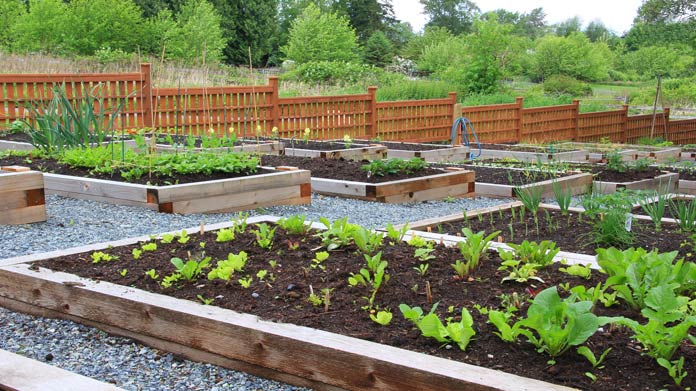
Starting a community garden can transform unused land into a vibrant space that brings neighbors together while providing fresh, locally-grown produce for the community.
Having said that, launching a successful community garden requires more than just gardening knowledge, as you’ll need to be able to navigate all applicable land use regulations, build community support, and establish sustainable operational systems.
In this comprehensive guide, we’ll walk you through all of the essential steps you’ll need to take to start your own community garden, from securing suitable land and obtaining permits to developing garden plots and building a thriving community.
Our guide is in 3 parts:
Community gardens have seen significant growth in recent years, increasing from 35,000 in 2013 to over 45,000 in 2023.
According to the National Recreation and Park Association, community gardens generate an average of $200,000 in economic benefits per acre annually through reduced food costs, improved property values, and decreased municipal maintenance expenses for vacant lots.
While traditionally focused on vegetable production, modern community gardens increasingly serve as educational centers, mental health resources, and catalysts for neighborhood improvement.
Did you know? A recent study found that 67% of community gardens now offer some form of educational programming, while 42% partner with local schools or youth organizations.
If you’re considering whether a community garden is right for you, the first thing you’ll need to know is whether it’s a) affordable, and b) worth the investment. I mean, how much can you actually make running your own community garden?
Well, it depends; the initial investment for a community garden varies widely based on factors such as the condition of your land, the size of the garden, and the amenities you plan to offer:
Land Preparation ($5,000 – $20,000): You will need to prepare the site for gardening, which typically involves soil testing, land clearing, grading, and soil amendment. The cost varies significantly based on the current condition of the land and any environmental remediation needed.
Infrastructure Setup ($3,000 – $15,000): You will need to install basic infrastructure including water lines for irrigation, fencing to secure the property, storage facilities for tools, and pathways between plots.
Tools and Equipment ($2,000 – $8,000): You will need to invest in communal gardening equipment such as wheelbarrows, shovels, hoses, composting bins, and basic power tools.
Plot Development ($1,500 – $5,000): You will need to establish individual garden plots, including building raised beds if desired, creating plot boundaries, and setting up basic irrigation systems.
Administrative Costs ($500 – $2,000): You will need to cover all initial administrative expenses including obtaining insurance, licenses and/or permits, and registering your business.
Note: To limit the initial expenditure that’s needed, many community garden owners choose to start “small” (e.g., 10 to 15 plots and basic amenities, etc) and then slowly expand over time as more resources become available.
Community gardens typically operate as non-profit ventures, with revenue primarily being generated through plot rental fees and membership dues.
Most community gardens charge between $100 and $300 annually per standard plot (typically 100 to 200 square feet), with fees varying based on plot size and included amenities.
For context, a garden with 50 plots at an average fee of $150 would generate about $7,500 in annual revenue.
Additional income sources often include workshop fees, produce sales from communal plots, and grant funding. Many successful community gardens supplement their income by partnering with local schools or organizations for educational programs, which can bring in $2,000 to $10,000 annually depending on the organization in question.
That said, it’s important to understand that the true value of a community garden cannot be solely measured in direct financial returns, and several studies have actually shown that every dollar invested in a community garden generates approximately $6 in social, health, and environmental benefits for the community through:
Improved access to fresh produce
Increased property values
Reduced urban heat island effects
While community gardens typically operate as non-profit ventures, they can be financially sustainable through plot rental fees, membership dues, and educational program income.
Most gardens charge anywhere between $100 and $300 annually per plot, with additional revenue coming from workshops, events, and grants that support operational costs.
A successful community garden typically requires anywhere between one-quarter to two acres of land.
This allows space for 40 to 80 individual plots plus essential common areas like pathways, tool storage, and gathering spaces, though gardens can start smaller and expand over time.
You’ll typically need agricultural zoning approval, land use permits, and water use authorization to start a community garden.
The specific requirements vary by location, but most cities require proof of proper land management plans and adequate infrastructure before allowing garden operations.
Successful community gardens rely on clear policies, active member participation, and proper infrastructure maintenance.
The key is establishing strong governance from the start, including plot allocation procedures, maintenance requirements, and community work days that keep the garden well-maintained and foster member engagement.
Business Evaluation & Strategy Tool
We'll walk you through the four pillars every business needs: Points of Leverage, Marketing Strategy, Financial Model, and Personal Compatibility. At the end you'll see a personalized report and your action plan below will be tailored to your answers.
Every viable business has natural advantages. Below are common leverage points across four categories. Pick the ones that apply to your Community Garden business. We've pre-suggested a few based on your idea — review and adjust.
Without a way to connect with customers, even great businesses fail. Pick the channels you plan to use to reach your customers.
Enter your monthly baseline costs — the minimum overhead to keep the business running. Then we'll calculate how many sales per month you need to break even.
A business that doesn't fit your life will fail no matter how good the numbers look. Tell us how this business fits you.
Complete the four pillars and your personalized summary will appear here.
Nine concrete steps to take you from idea to open business, grouped into 30-day phases. Complete the planner above and we'll highlight what's most important for your situation.
An LLC keeps your personal assets separate from business debts and lawsuits — the most common reason small business owners choose this structure. Sole proprietorships and partnerships do not provide this protection.
Apply for your free Employer Identification Number through the IRS, then register for any state or local taxes that apply to your business (sales tax, franchise tax).
A dedicated business account is required to maintain personal asset protection. Mixing personal and business finances ('piercing the corporate veil') can void your LLC's liability shield.
Recording expenses and income from day one makes tax filing easier and lets you see when the business is actually profitable. Use software (QuickBooks, Wave) or a part-time bookkeeper.
State and local requirements vary widely. Brick-and-mortar businesses typically need a Certificate of Occupancy; service businesses may need specific professional licensing; food businesses need health permits.
General Liability Insurance is the most common starting point. If you'll have employees, most states require Workers' Compensation. Specific industries need additional coverage (product liability, professional liability, etc.).
Your brand is how customers perceive and remember you. A clear name, logo, and visual identity make every later marketing decision easier and protect you legally as you grow.
Every legitimate business needs a website. Social media pages are not a substitute — you don't own the platform. Modern website builders mean you can launch a clean site in a weekend without a developer.
A dedicated business number keeps your personal life private, makes the business look legitimate, and lets you route calls professionally. Cloud phone services start under $20/month.
Starting a Community Garden business typically costs $500 to $20,000. It is considered a medium capital-intensity business.
A Community Garden business runs roughly a 36% net profit margin, and most owners reach break-even in about 18 to 36 months.
You can usually launch a Community Garden business in about 12 to 36 weeks, and it is commonly run full time.
A Community Garden business is generally a beginner-skill business to start, with stable demand. TRUiC rates it 69 out of 100 on our Idea Score.
Most Community Garden businesses register as an LLC or other legal entity and obtain a general business license. Depending on your state and city you may also need industry-specific permits, sales tax registration, and zoning or health approvals, so check your local requirements before you launch.