Startup cost
$500k
TRUiC Business Ideas
Decision Snapshot
Idea Score
31
Startup cost
$500k
Profit margin
6%
Break-even
18 mo–36 mo
Time to launch
12 wk–36 wk
Demand trend
Stable
5-yr failure rate
—
Capital intensity
Very high
Time commitment
Flexible
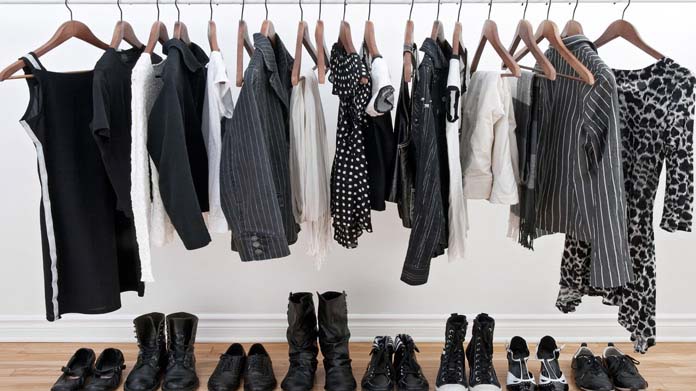
clothing line is a collection of apparel designed for a target audience and sold in retail locations and/or through online stores. When you enter into the clothing industry, creating a clothing line includes establishing a company, designing the clothes, selecting materials, and sourcing the manufacturing process. You will then have to build sales channels to retail shops or create a brand is available through internet shops across the globe.
Our guide is in 3 parts:
If you only want to sell a few hand-painted shirts through an online boutique, you may not need much more than $1,000 to get you up and running if you own a sewing machine and computer. However if you are planning on going further, be ready to look for a minimum of $500,000 for the initial investment for a small clothing line. This number includes the costs of the design, branding, incorporation, manufacturing facility, marketing and other expenses. Should you wish to compete with the big-name brands and appear in every mall across the country, don’t be shocked at the start-up price tag.
Marketing, design, and manufacturing will run hand in hand competing for your operational dollars.
This is possibly your most important part of the design process. Who are you crafting clothes for? Do you want to build a line of clothes individually tailored to wealthy individuals and only sell a few pieces a month? Or would you prefer to see your T-shirts hung on the racks of every bargain department store across the country? Before you begin to cut cloth, you must determine if you need to make a million pairs of shorts, or just one.
Each individual piece of apparel designed for the line must earn the cost of its entire manufacturing process back through retail sales of the design. For most profitable clothing lines, this means creating thousands of the same shirt, pair of jeans, or socks through a mass manufacturing process. The elite boutiques found in Hollywood or in Paris cater to a very select clientele who eagerly pay a premium for their unique fashions.
A fun graphic T-shirt can run from $8 to $30. A one-off designer gown created for the red carpet can run up to $10,000. You will price your apparel according to the customer you wish to sell it to.
Your pair of pants sold to a large national retailer may see a profit of one or two dollars per unit. The tailored suit sold on Fifth Avenue will profit a thousand dollars. You may sell a thousand pairs of the $2 pants, but only twenty of the suit. In both cases, volume will determine your final profit.
It is a business and expenses must be controlled. You will need to ensure that your payroll doesn’t spiral out of control and that you are purchasing quality fabrics at the best possible price to create your beautiful designs.
When you’re involved in opening a new clothing line, you may be asked to:
Review or design new looks for the upcoming season
Determine your target demographic through matching proposed color and design of the new apparel
Source materials for new designs that provide the feel and look desired at a price that will turn a profit
Establish a brand and ensure it is aggressively marketed to ensure the best return on your investment
Source the manufacturing process for your new clothing and determine if the quality of the end product will be best when produced in a large facility or in-house by your devoted crew
Follow the designs of competitors in the industry
Plan for future year designs through constant research
Balance the cost of materials against the target price
Even if you are not handling all aspects of the business yourself, somebody will need to know how to:
Design attractive and functional clothing items and translate the design into a pattern for the manufacturing process
Fully understand the market demand for each piece of apparel you are including in your line
Know how to make the most out of social media for promotion purposes and utilize it
Creating a solid business plan with realistic projections for start-up costs over a 5 to 10 year period
Be able to determine if large scale or boutique approach is best for manufacturing your items
Have excellent accounting knowledge
Develop contacts throughout the retail industry to help introduce your line and build recognition among buyers
Maintain knowledge of changing fashions and adjust your styles to meet the new demands
Plan ahead for at least a year to be able to keep up with the industry
With a savvy designer creating unique looks and a killer marketing machine, it is possible to break out on the international scene and earn millions with your clothing line. It is much more likely that your creations will appear in your online store and on the racks of a decent assortment of retail stores across the country.
You need a brand that everybody will recognize and love. This is why so many Hollywood and athletic superstars add their names to a clothing line–shoppers know who they are, like them, and will be more willing to spend money on that familiar brand. Consider using a popular location or even hiring a celebrity to help establish and advertise your brand name before the first shirt ever hits the racks.
Your design team must be in place and producing creative looks long before you buy the first shipment of fabric. Your marketing team should be in place as the first pieces are being tested. Your manufacturing team will fall into place when you are prepared to make the first run.
Read our clothing line hiring guide to learn about the different roles a clothing line typically fills, how much to budget for employee salaries, and how to build your team exactly how you want it.
Business Evaluation & Strategy Tool
We'll walk you through the four pillars every business needs: Points of Leverage, Marketing Strategy, Financial Model, and Personal Compatibility. At the end you'll see a personalized report and your action plan below will be tailored to your answers.
Every viable business has natural advantages. Below are common leverage points across four categories. Pick the ones that apply to your Clothing Line business. We've pre-suggested a few based on your idea — review and adjust.
Without a way to connect with customers, even great businesses fail. Pick the channels you plan to use to reach your customers.
Enter your monthly baseline costs — the minimum overhead to keep the business running. Then we'll calculate how many sales per month you need to break even.
A business that doesn't fit your life will fail no matter how good the numbers look. Tell us how this business fits you.
Complete the four pillars and your personalized summary will appear here.
Nine concrete steps to take you from idea to open business, grouped into 30-day phases. Complete the planner above and we'll highlight what's most important for your situation.
An LLC keeps your personal assets separate from business debts and lawsuits — the most common reason small business owners choose this structure. Sole proprietorships and partnerships do not provide this protection.
Apply for your free Employer Identification Number through the IRS, then register for any state or local taxes that apply to your business (sales tax, franchise tax).
A dedicated business account is required to maintain personal asset protection. Mixing personal and business finances ('piercing the corporate veil') can void your LLC's liability shield.
Recording expenses and income from day one makes tax filing easier and lets you see when the business is actually profitable. Use software (QuickBooks, Wave) or a part-time bookkeeper.
State and local requirements vary widely. Brick-and-mortar businesses typically need a Certificate of Occupancy; service businesses may need specific professional licensing; food businesses need health permits.
General Liability Insurance is the most common starting point. If you'll have employees, most states require Workers' Compensation. Specific industries need additional coverage (product liability, professional liability, etc.).
Your brand is how customers perceive and remember you. A clear name, logo, and visual identity make every later marketing decision easier and protect you legally as you grow.
Every legitimate business needs a website. Social media pages are not a substitute — you don't own the platform. Modern website builders mean you can launch a clean site in a weekend without a developer.
A dedicated business number keeps your personal life private, makes the business look legitimate, and lets you route calls professionally. Cloud phone services start under $20/month.
Starting a Clothing Line business typically costs $500,000. It is considered a very high capital-intensity business.
A Clothing Line business runs roughly a 6% net profit margin, and most owners reach break-even in about 18 to 36 months.
You can usually launch a Clothing Line business in about 12 to 36 weeks, and it is commonly run flexible.
A Clothing Line business is generally an intermediate-skill business to start, with stable demand. TRUiC rates it 31 out of 100 on our Idea Score.
Most Clothing Line businesses register as an LLC or other legal entity and obtain a general business license. Depending on your state and city you may also need industry-specific permits, sales tax registration, and zoning or health approvals, so check your local requirements before you launch.