Startup cost
$25k–$250k
TRUiC Business Ideas
Decision Snapshot
Idea Score
60
Startup cost
$25k–$250k
Profit margin
30%
Break-even
18 mo–36 mo
Time to launch
12 wk–36 wk
Demand trend
Stable
5-yr failure rate
—
Capital intensity
Very high
Time commitment
Seasonal
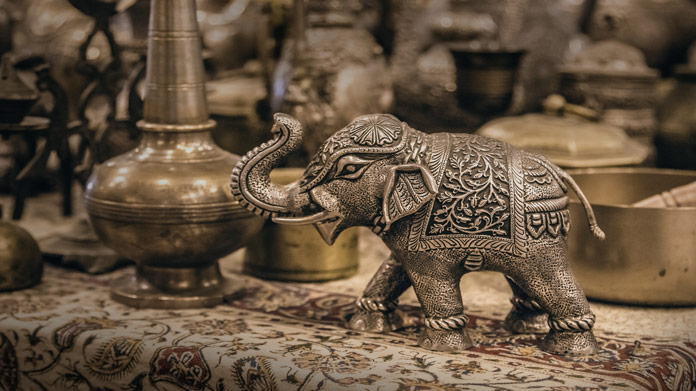
Your antique store may sell items online, in a booth at an antique mall, at craft fairs or flea markets, or in your own stand alone store front–or in a combination of all of those places. You will constantly procure new items for your store and work to resell quickly and at a profit. Most antique dealers specialize in a specific segment of antiques such as furniture, vintage jewelry, printed media, or even commercial signs.
Our guide is in 3 parts:
If you are looking at becoming a dealer on a part-time basis and enjoy trading relatively inexpensive items, this can be a low-cost business to start. You will need at the very least an online store through eBay or Etsy, some starting inventory, and an ability to receive payments. You could operate this as a weekend endeavor using only a few thousand dollars for your initial investment. Should you consider opening a large antique storefront in an old mill or warehouse, you could spend up to $500,000 buying or leasing the property, installing display areas, and purchasing enough inventory to open your doors.
You are always buying and selling, so you should have a good line of credit able to withstand a spending spree. You will need reliable transportation and possibly need to maintain an online store. Your display space or store comes with some maintenance costs.
Your most valued customer is the individual or designer who appreciates your eye for unique and quality items such that they return to your store for another piece to work into their home. Customers who regularly purchase from antique stores value quality construction and elegance over a fancy showroom with solicitous sales staff. They desire to strike a bargain and feel that they own a piece of history that nobody else can have.
As the owner/operator, you will constantly be shopping for new items for your booth or online store and will turn a profit by re-selling them at a higher price. You are more successful if you turn your inventory quickly and often. Large expensive items can linger, slowing your income stream and leaving the impression to shoppers that you never have anything new.
It all depends on your products. You might sell vintage Hot Wheels for $2 each or a massive mirror designed for a courthouse for $5,000. Market trends will always determine your pricing structure.
A standard profit margin for many dealers is about 30%, but keep in mind that you will be taking out listing fees, consignment fees, and other expenses. A successful antiques business owner can see an income of between $45,000 and $60,000 a year. It is not a means to become a millionaire.
Be willing to get rid of merchandise that is sitting on your shelves. If you paid for it and it just collects dust, it is not providing you any kind of income. Always keep in mind you are not the collector, your customer is!
Whether you operate a large antiques store or maintain a small booth in a mall, on a daily basis you will:
Shop for new pieces at other antique stores, visit flea markets, estate sales, and second-hand stores
Build an extensive knowledge of your specialty area such as toys, art, fine furniture, and curiosities
Market your wares according to what is popular and desirable as trends change
Price your product such that it moves quickly while turning a profit over your purchase price
Develop your displays to attract shoppers
Maintain ledgers/spreadsheets to track incoming and outgoing items
Mark down inventory that has lingered on your shelves for too long
Bargain with interested customers in order to make the sale
Barter with other dealers to ensure you always have fresh inventory for returning shoppers
An antique store is run by an individual with a unique set of skills including:
Encyclopedic knowledge of your specialty area including known manufacturers, dates of production, and what constitutes a rare and valuable piece
Has a finger on the pulse of popular items in the antiques market and adjusts inventory accordingly
Able to create stunning and attractive displays that highlight your most profitable items
Basic accounting skills
Friendly and approachable demeanor, ability to chat with all your customers
Places minimal sentimental value on inventory, yet appreciates the beauty of each item
Innate ability to create lasting relationships with other dealers to obtain the lowest price for new product
Willing to utilize the internet to extend reach and increase sales
Know how to pack and ship valuables to ensure they reach their new home in one piece
The antique boutique capable of expanding will be run by a person who has a talent for building relationships in the business. As you accumulate the names, numbers, and preferences of your clients and competitors, you can start buying items with certain customers in mind. When you become a personal shopper, you can charge a premium for your items and service. Over time, you may expand into a larger storefront as you begin to hire other dealers ready to further expand your customer base. When clients begin to call you looking for a specific item, you are on the road to expanding your business.
Know your stuff! You will enjoy long-term success when you are able to identify a knock-off collectible from the real deal, protecting your customers from massive disappointment and even financial loss. Focus on one or two types of items you particularly enjoy as it builds a brand for you–your booth will become known as the Teddy Bear booth or the one with the really nice furniture. Always be willing to bargain and sell fast at a lower profit rather than holding out for the big sale.
You may wish to have a partner who can help move large and heavy items, but in general your antique boutique will probably be a one-person show. If you operate a mall, you may need to hire additional clerks and staff to maintain your business hours during busy seasons.
Business Evaluation & Strategy Tool
We'll walk you through the four pillars every business needs: Points of Leverage, Marketing Strategy, Financial Model, and Personal Compatibility. At the end you'll see a personalized report and your action plan below will be tailored to your answers.
Every viable business has natural advantages. Below are common leverage points across four categories. Pick the ones that apply to your Antique Store business. We've pre-suggested a few based on your idea — review and adjust.
Without a way to connect with customers, even great businesses fail. Pick the channels you plan to use to reach your customers.
Enter your monthly baseline costs — the minimum overhead to keep the business running. Then we'll calculate how many sales per month you need to break even.
A business that doesn't fit your life will fail no matter how good the numbers look. Tell us how this business fits you.
Complete the four pillars and your personalized summary will appear here.
Nine concrete steps to take you from idea to open business, grouped into 30-day phases. Complete the planner above and we'll highlight what's most important for your situation.
An LLC keeps your personal assets separate from business debts and lawsuits — the most common reason small business owners choose this structure. Sole proprietorships and partnerships do not provide this protection.
Apply for your free Employer Identification Number through the IRS, then register for any state or local taxes that apply to your business (sales tax, franchise tax).
A dedicated business account is required to maintain personal asset protection. Mixing personal and business finances ('piercing the corporate veil') can void your LLC's liability shield.
Recording expenses and income from day one makes tax filing easier and lets you see when the business is actually profitable. Use software (QuickBooks, Wave) or a part-time bookkeeper.
State and local requirements vary widely. Brick-and-mortar businesses typically need a Certificate of Occupancy; service businesses may need specific professional licensing; food businesses need health permits.
General Liability Insurance is the most common starting point. If you'll have employees, most states require Workers' Compensation. Specific industries need additional coverage (product liability, professional liability, etc.).
Your brand is how customers perceive and remember you. A clear name, logo, and visual identity make every later marketing decision easier and protect you legally as you grow.
Every legitimate business needs a website. Social media pages are not a substitute — you don't own the platform. Modern website builders mean you can launch a clean site in a weekend without a developer.
A dedicated business number keeps your personal life private, makes the business look legitimate, and lets you route calls professionally. Cloud phone services start under $20/month.
Starting an Antique Store business typically costs $25,000 to $250,000. It is considered a very high capital-intensity business.
An Antique Store business runs roughly a 30% net profit margin, and most owners reach break-even in about 18 to 36 months.
You can usually launch an Antique Store business in about 12 to 36 weeks, and it is commonly run seasonal.
An Antique Store business is generally an intermediate-skill business to start, with stable demand. TRUiC rates it 60 out of 100 on our Idea Score.
Most Antique Store businesses register as an LLC or other legal entity and obtain a general business license. Depending on your state and city you may also need industry-specific permits, sales tax registration, and zoning or health approvals, so check your local requirements before you launch.